
越顶外交

Search documents
牛弹琴:日本现在有“三急”
Xin Lang Cai Jing· 2025-12-10 23:52
Group 1 - Japan's Prime Minister Kishi Nobuo expressed a strong desire to meet with U.S. President Trump as soon as possible, indicating a willingness to travel to Washington or meet during Trump's overseas visits [3][29] - The urgency stems from Japan's fear of being sidelined in international diplomacy, particularly after a recent phone call between U.S. and Chinese leaders that left Japan feeling embarrassed [4][30] - Japan is attempting to shift focus from its controversial statements regarding Taiwan and military involvement, which have strained relations with China [7][33] Group 2 - Japan's recent claims of Chinese fighter jets "locking on" to Japanese aircraft have been met with strong rebuttals from China, undermining Japan's narrative [9][35] - The Japanese government is seeking U.S. support to bolster its position, especially after a lack of public backing from Western allies following Kishi's controversial remarks [12][37] - There is a growing concern within Japan about the stability of Kishi's government, as domestic economic challenges and political infighting increase the risk of a government collapse [22][46] Group 3 - The current diplomatic crisis has halted the recent improvement in Sino-Japanese relations, with Japan's leadership facing criticism for its handling of the situation [21][47] - Kishi's administration is under pressure to manage the fallout from its diplomatic missteps, as failure to do so could exacerbate economic difficulties and public discontent [22][48] - The ruling Liberal Democratic Party's dominance is being questioned, with potential implications for future elections if the current crisis is not resolved [23][49]

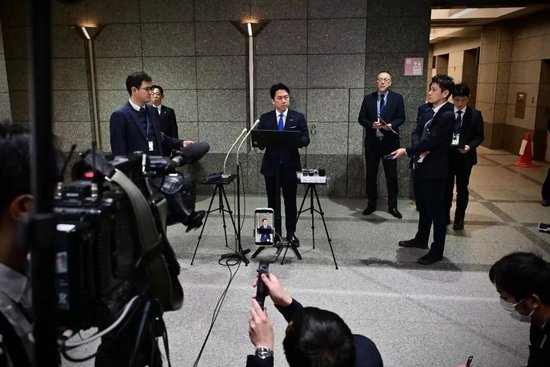
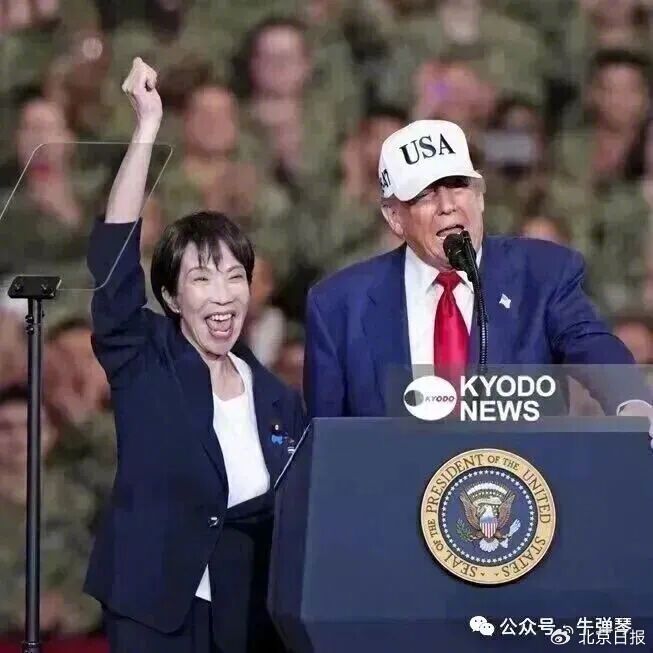
特朗普电话后,日本沮丧了三次
Bei Jing Ri Bao Ke Hu Duan· 2025-11-26 00:42
Core Viewpoint - The article discusses Japan's disappointment regarding the recent diplomatic interactions between the U.S. and China, particularly focusing on President Trump's calls to both countries, which have left Japan feeling sidelined and frustrated [2][3][4]. Group 1: Japan's Disappointment - Japan feels frustrated as Trump prioritized a call to China before reaching out to Japan, which is perceived as "top-down diplomacy" [3][4]. - The Japanese public's perception of their close alliance with the U.S. is challenged by Trump's actions, leading to a sense of disillusionment [4][12]. - Trump's unusual silence following his call with Japan, especially after being vocal about U.S.-China relations, has further disappointed Japanese officials [8][9]. Group 2: Historical Context - The article draws parallels to historical events where Japan's close alignment with the U.S. did not guarantee its interests, referencing past diplomatic shifts [5][6]. - The current situation is likened to past instances where Japan's government faced consequences for its stance against China, suggesting a potential repeat of history [6]. Group 3: U.S.-China Relations - Trump's focus on U.S.-China relations, particularly regarding the Russia-Ukraine conflict and economic ties, indicates a strategic priority that may overshadow Japan's concerns [18][20][24]. - The article highlights that Trump is keen on ensuring China purchases more U.S. agricultural products, which reflects a broader economic strategy [24]. Group 4: China's Position - China is portrayed as standing on moral high ground regarding historical agreements and international order, particularly concerning Taiwan [28][29][32]. - The article emphasizes that Japan's recent actions regarding Taiwan are seen as a violation of established international agreements, which could have long-term diplomatic repercussions [28][30].
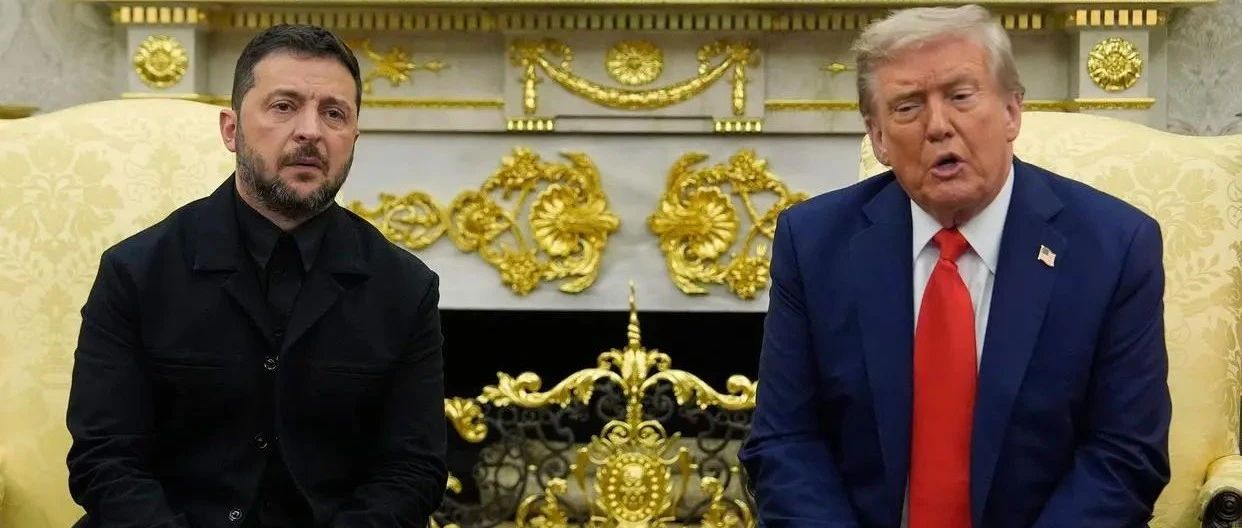
"一边打一边谈"?特朗普称无需停火协议
第一财经· 2025-08-19 01:21
Core Viewpoint - The meeting between US President Trump and Ukrainian President Zelensky was described as very positive, focusing on the potential for a trilateral meeting involving Russia, Ukraine, and the US to address the ongoing conflict [3][4]. Group 1: Meeting Outcomes - No concrete agreements were reached between the US and Ukraine or between the US and Europe during the meeting, indicating the complexity of the current geopolitical situation [4][5]. - Zelensky emphasized the need for comprehensive security guarantees from the US, including military support and strategic discussions [5][6]. - Trump suggested that negotiations could continue even while hostilities persist, indicating a shift from immediate ceasefire demands to broader peace agreements [5][6]. Group 2: Territorial Issues - The discussion included sensitive topics such as territorial exchanges, with Zelensky presenting key details to Trump [5][7]. - Trump indicated that if Zelensky was willing, the conflict could "almost immediately" end, but this would involve Ukraine not reclaiming Crimea and not joining NATO [8]. Group 3: European Involvement - European leaders accompanied Zelensky to ensure their positions were heard and to prevent any unilateral concessions by Trump [9]. - The presence of multiple European leaders highlights their concern about being sidelined in the resolution of the conflict, emphasizing the importance of their involvement in discussions [9].
“一边打一边谈”?特朗普称无需停火协议,美乌总统会晤如何影响俄乌局势
Di Yi Cai Jing· 2025-08-19 00:26
Core Points - The meeting between US President Trump and Ukrainian President Zelensky was described as having gone "very well," but no agreements were reached between the US and Ukraine or the US and Europe [1] - The focus of the discussions included a potential trilateral meeting involving the US, Russia, and Ukraine, which could lead to an end to the ongoing conflict [1][2] - Zelensky emphasized the need for comprehensive security guarantees from the US, including military support and strategic discussions [2][3] Group 1 - The meeting aimed to address the territorial issues and the possibility of a peace agreement, with Trump suggesting that negotiations could continue even amidst ongoing conflict [2][4] - Zelensky presented key details on a map during the meeting, indicating Ukraine's desire to resolve all issues, including territorial disputes [2][4] - The European leaders' presence at the meeting was intended to ensure their positions were heard and to prevent any unilateral concessions by Trump [5][6] Group 2 - The discussions included the possibility of incorporating a NATO-like security guarantee into a future peace agreement, which would treat an attack on Ukraine as an attack on all guarantor countries [2][3] - There is skepticism regarding the potential for breakthroughs in negotiations due to the complex legal and political landscape in Ukraine [3][4] - European leaders are concerned about being sidelined in the negotiations and are actively working to maintain their influence in the resolution of the conflict [5][6]
"一边打一边谈"?特朗普称无需停火协议,美乌总统会晤如何影响俄乌局势
Di Yi Cai Jing· 2025-08-19 00:12
Group 1 - The core viewpoint of the meetings is the potential for a peace agreement amidst the ongoing Russia-Ukraine conflict, with both Trump and Zelensky expressing optimism about the discussions [1][4] - The meetings focused on two main issues: the trilateral talks involving the US, Russia, and Ukraine, and the contentious territorial disputes [1][5] - Trump indicated that a ceasefire is not a prerequisite for negotiations, suggesting that discussions could continue even while hostilities persist [4][6] Group 2 - Zelensky emphasized the need for comprehensive security guarantees from the US, including military support, training, and intelligence [3][5] - The possibility of a trilateral meeting between the US, Russia, and Ukraine is being considered, with a target date as early as August 22 [7] - European leaders accompanied Zelensky to ensure their positions were heard and to prevent any unilateral concessions by Trump [7]
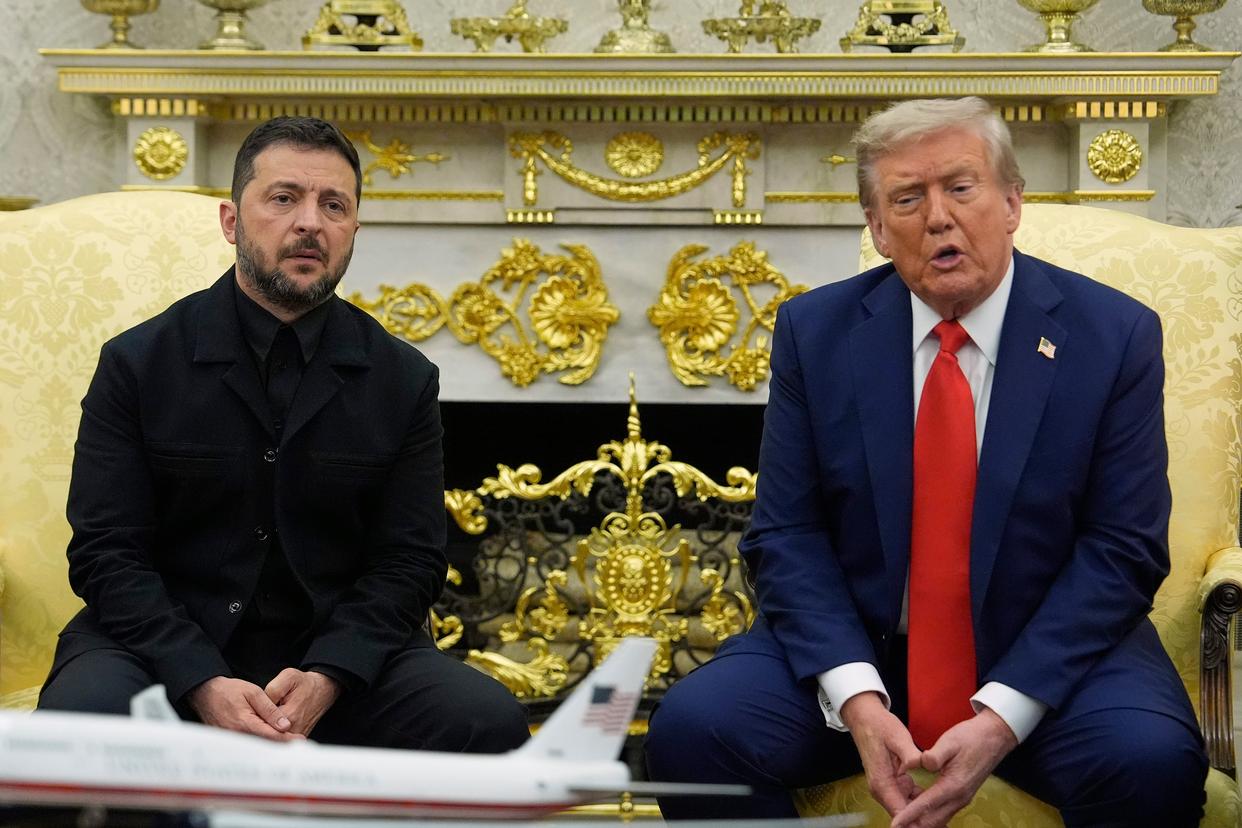
俄乌直接会谈 欧盟为何“唱反调”加码制裁?
news flash· 2025-05-17 09:21
Core Viewpoint - The article discusses the recent direct talks between Russia and Ukraine in Turkey, while the European Union (EU) plans to impose new large-scale sanctions against Russia, indicating a divergence in strategies between the EU and the US regarding the Ukraine crisis [1] Group 1: EU's Response to the Ukraine Crisis - The EU is preparing to implement new extensive sanctions against Russia, as stated by European Commission President Ursula von der Leyen [1] - The defense ministers of France, Germany, the UK, Italy, and Poland convened to discuss strengthening European defense, reflecting a collective effort to enhance security measures in response to the ongoing conflict [1] Group 2: Strategic Concerns of Europe - European leaders express concerns that the US has engaged in "over-the-top diplomacy" regarding Ukraine, leading to strategic anxiety within Europe [1] - There is a fear among European nations of becoming mere bystanders in security matters, prompting them to reinforce their independent stance and continue sanctions against Russia as a core strategy [1] Group 3: EU's Efforts for Influence - The EU's series of policies are aimed at securing a stronger voice in the discussions surrounding the Ukraine issue, highlighting the bloc's desire for greater influence in international affairs [1]