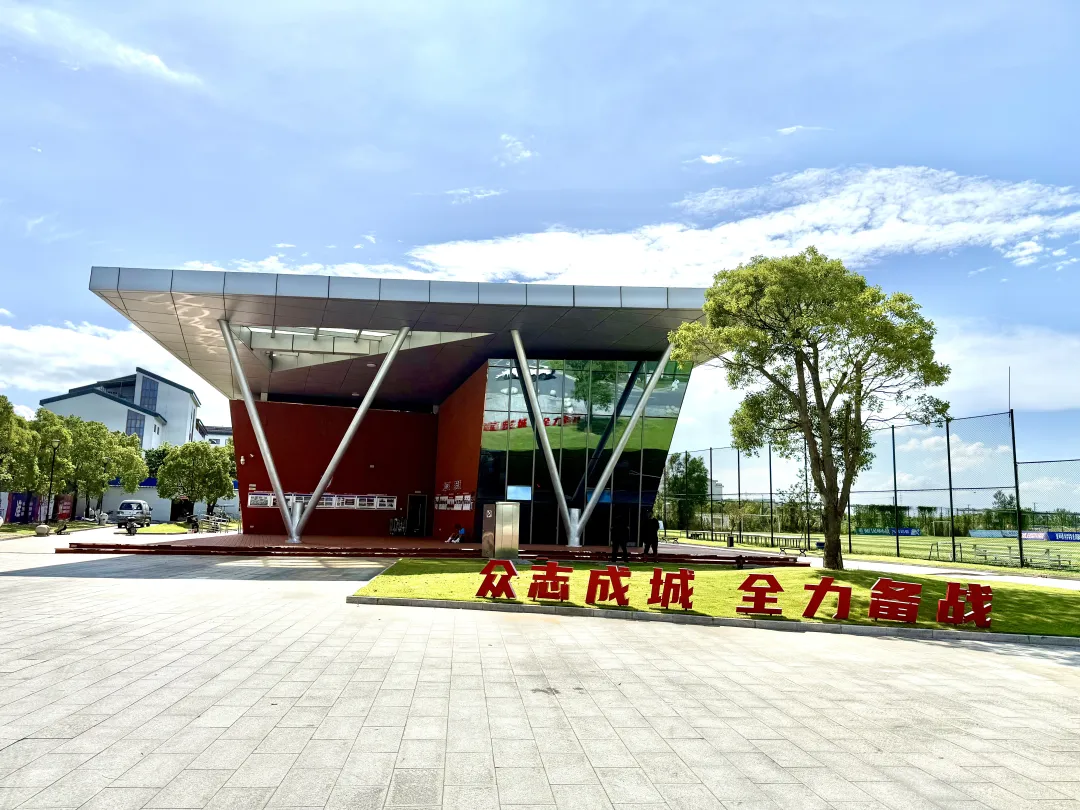
足球青训体系

Search documents
被看见的U23,中国足球新起点?
Xin Lang Cai Jing· 2026-01-25 12:05
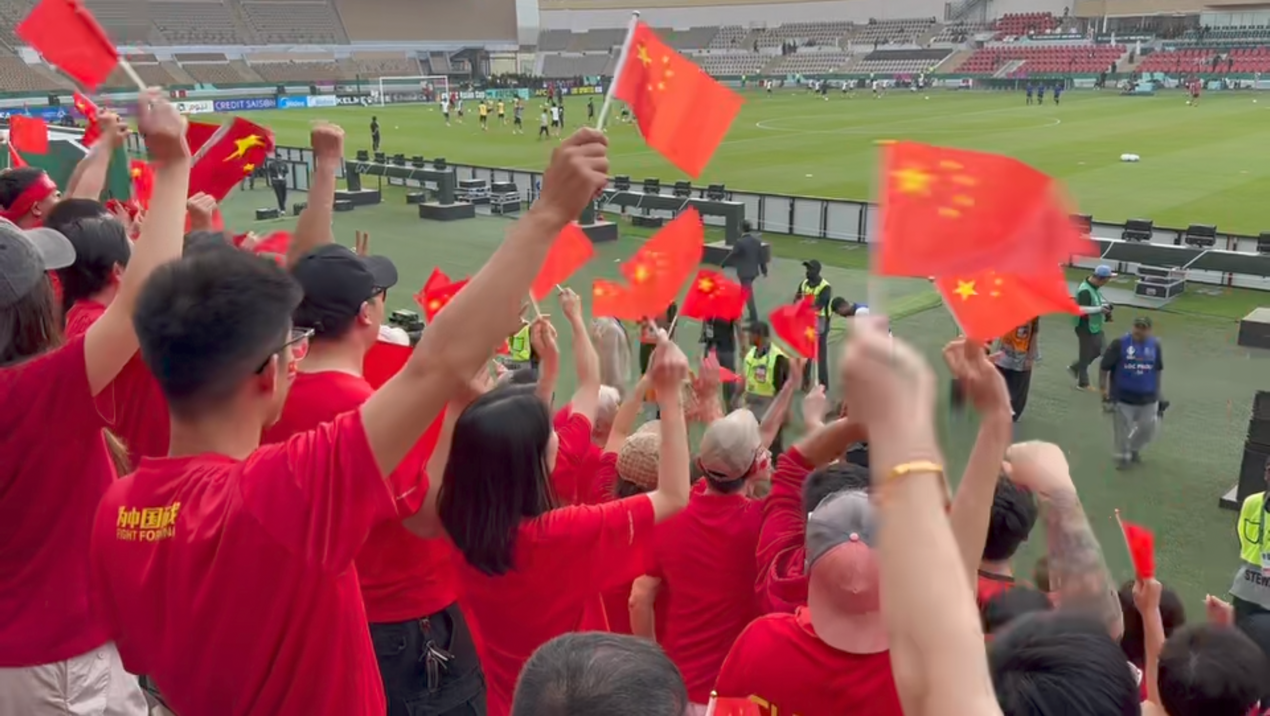
Group 1: Match Performance and Fan Engagement - The Chinese U23 men's football team reached the finals of the 2026 AFC U23 Asian Cup, marking their first appearance in an international final in 22 years, ultimately finishing as runners-up after losing 0:4 to Japan [2][3] - Fans demonstrated strong solidarity, with many traveling from various countries to support the team, highlighting the emotional connection and commitment of Chinese football fans [1][2] - The performance of the U23 team was noted as commendable, with players showing a clear understanding of the coach's tactical intentions, attributed to their growth environment and exposure to foreign coaching methods [3] Group 2: Youth Development and Training Systems - The current U23 team is seen as a product of years of investment in youth training systems, with many players having participated in various national youth teams [3][5] - The growth of youth players is linked to the implementation of the 2015 "Overall Plan for the Reform and Development of Chinese Football," which has led to a significant increase in youth participation in football [5][11] - There is a noted disparity in the development paths available for young players in China compared to Japan, where a dual system of club and school football provides more opportunities for player development [6][7][8] Group 3: Future Plans and Initiatives - The Chinese Football Association plans to enhance the youth training system by increasing the number of registered youth players and organizing more competitions, with a reported 24.88% increase in registered youth players to 109,200 by 2025 [11][12] - Initiatives for 2026 include optimizing national youth winter training, improving the "study while training" pathway, and expanding overseas training opportunities [12] - The association aims to train an additional 18,000 certified coaches to support the development of elite youth training programs [12]

U23男足亚洲杯中国队摘银:创造历史 种下希望
Xin Lang Cai Jing· 2026-01-25 03:50
Group 1 - The Chinese U23 national football team achieved a historic second place in the 2026 U23 Asian Cup, marking their best performance in the tournament's history after previously failing to advance past the group stage in three of the last five editions [1] - The team displayed a strong performance throughout the tournament, finishing the group stage with 1 win and 2 draws, and no goals conceded, before eliminating Uzbekistan in the quarter-finals and defeating Vietnam 3-0 in the semi-finals [1] - The current squad consists of players born between 2003 and 2006, representing the first generation of youth training results since the implementation of the "Overall Plan for the Reform and Development of Chinese Football" in 2015, showcasing a diverse growth background [1] Group 2 - Head coach Antonio has been with the team since 2018, fostering deep trust and understanding with the players, which has contributed to the team's tactical maturity and adaptability [2] - The experiences gained from previous competitions, including the U20 Asian Cups in 2023 and 2025, have been crucial for the team's tactical development and psychological preparation for key matches [2] - Despite the historic achievement, there is a need for a realistic assessment of the team's performance, as the results do not directly correlate with qualification for world competitions, and some strong teams did not field their best players [2] Group 3 - Antonio acknowledged the gap between Chinese and Japanese football, emphasizing a pragmatic approach based on the current capabilities of the players, which could provide valuable insights for the long-term development of Chinese football [3] - The recent breakthrough of the U23 national team, while not sufficient to completely change the current state of Chinese football, has undoubtedly created valuable confidence and space for future reforms [3]
上海海港达成中超三连冠——双雄并驱铸就申城足球发展
Xin Hua She· 2025-11-23 01:58
Group 1 - Shanghai SIPG won the 2025 Chinese Super League title, achieving a three-peat, which reflects the development of football in Shanghai [1] - The team maintained a mature system based on local core players and foreign reinforcements, scoring 72 goals in 30 matches, making them the most potent attacking team in the league [2] - The success of Shanghai SIPG is attributed to the youth training system established by Xu Genbao on Chongming Island, emphasizing teamwork and an aggressive playing style [2] Group 2 - The rivalry with Shanghai Shenhua has fostered a competitive environment, leading both teams to secure top domestic honors and extending championship suspense to the final rounds [3] - The "Shanghai Derby" has become a significant event, attracting over 60,000 fans in a single match, setting a record for attendance in professional football events in Shanghai [3] - This rivalry has stimulated the development of youth football training, amateur leagues, and related industries, creating a sustainable football ecosystem in Shanghai [3] Group 3 - The rise of football in Shanghai is supported by a robust youth training system and a collaborative mechanism involving government, market, and society [4] - The Shanghai Campus Football Alliance Cup has seen increased participation and improved athlete performance, with 420 schools established for specialized football training [4] - Future football development in Shanghai will focus on building youth training centers, promoting campus football, integrating sports and education, training coaches, supporting sustainable club development, and strengthening grassroots football [4]
苏超爆火背后,真“南哥”是怎样炼成的?
Hu Xiu· 2025-08-01 13:23
Core Viewpoint - The article discusses how the Nantong team, known as "Nan Ge," has successfully established itself as a leading team in the Jiangsu Super League (JSL) through a professional training model and strong local support, showcasing the potential for local football clubs to thrive in China [1][36]. Group 1: Team Structure and Performance - The Nantong team has gained significant attention for its "professional standard" team-building model, which has been effective since the league's inception [2]. - The team is primarily composed of players from the Haimen Keti Yuan Club, which shares resources with a professional team in the China League Two, ensuring tactical consistency and player capability [3][4]. - Nantong's football resources are robust, with a history of professional teams and a strong talent pool, allowing for a competitive edge in the JSL [5][9]. Group 2: Youth Training and Development - The Haimen Keti Yuan Club has developed a comprehensive youth training system over 14 years, growing from a small team of seven to a full-fledged organization with nearly 300 signed players [15][28]. - The club has faced financial challenges but has adapted by restructuring its ownership to include local state-owned enterprises, providing a more stable financial foundation [21][20]. - The club's youth training approach emphasizes local talent development, with a focus on long-term player growth and multiple pathways for those not pursuing a professional career [30][31]. Group 3: Community and Economic Impact - The JSL has significantly increased local engagement, transforming football matches into community events that enhance local nightlife and tourism [41][42]. - The Nantong team has become a catalyst for local economic activity, with match attendance rising from an average of 2,000 to 7,000, and local businesses benefiting from increased foot traffic during games [43][44]. - The club plans to develop a "football industry ecological park" to integrate sports with local economic development, aiming to create a sustainable model for local sports industries [48][49]. Group 4: Future Prospects - The success of the Nantong team and the JSL reflects a broader potential for local football clubs in China to contribute to community identity and economic vitality [52][53]. - The article suggests that if more cities can cultivate their own successful teams like "Nan Ge," it could lead to a transformative impact on Chinese football and its integration into local culture [53].