
跨区域调水

Search documents
西部大省 又一个“超级工程”来了
Mei Ri Jing Ji Xin Wen· 2025-11-04 15:33
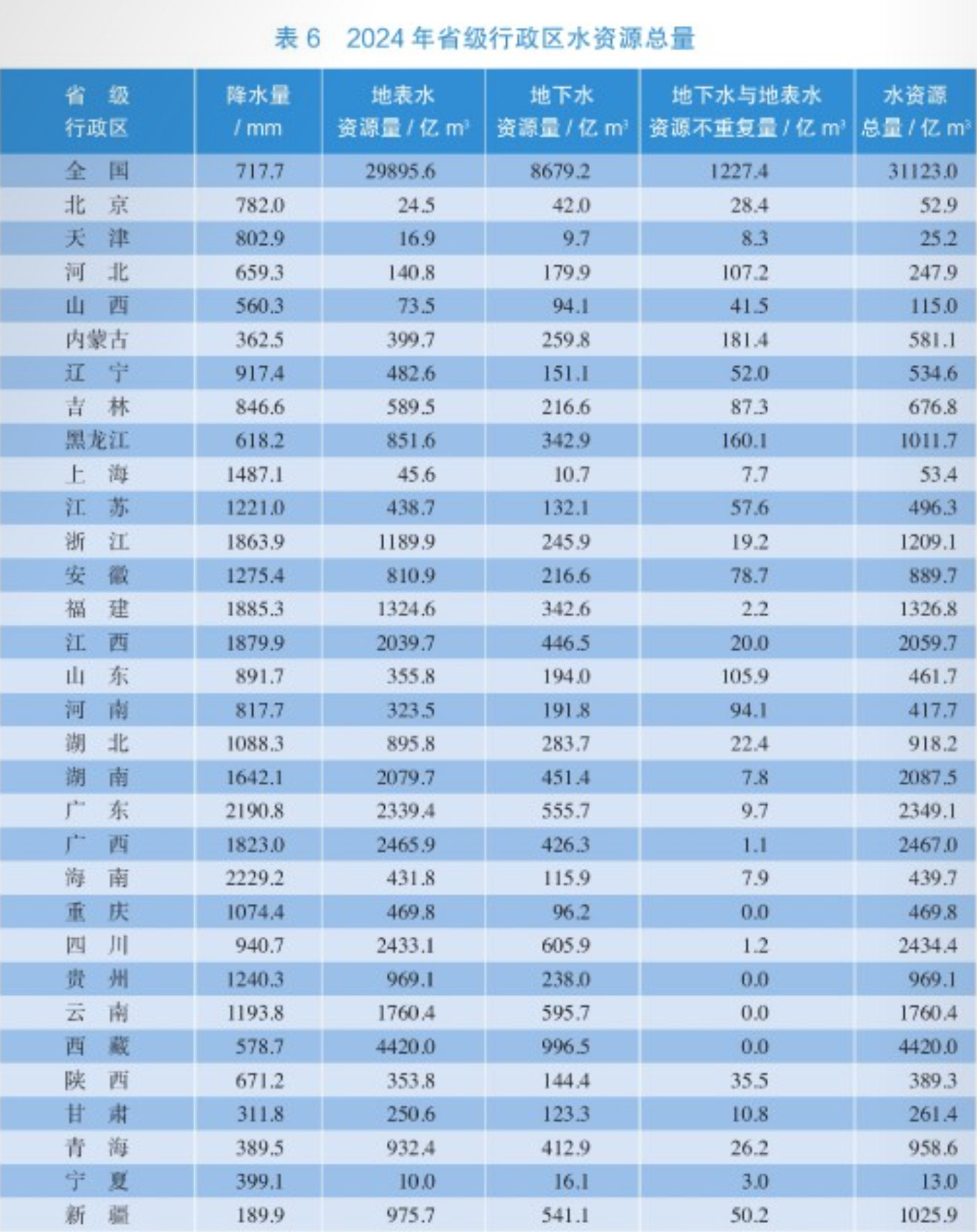
Core Viewpoint - The Chengdu Plain is facing a severe water shortage despite being known as a "province of a thousand rivers," with projections indicating a significant deficit by 2035 [1][8]. Water Resource Distribution - Sichuan province has a total water resource volume that ranks second nationally, but its distribution is uneven, with the Chengdu Plain accounting for 80% of the GDP while only having 20% of the water resources [1][7]. - The average annual water resource volume in Sichuan is substantial, yet the majority of the province's economic activities are concentrated in the basin area, leading to pronounced supply contradictions [2][7]. Water Supply Projects - The "Yin Da Ji Min" project has been officially approved, marking the largest investment and longest water diversion project in Sichuan's history, aimed at alleviating the water shortage in the Chengdu Plain [2][9]. - This project will benefit over 34 million people across eight cities and 43 counties, establishing a dual-source water supply system [2][9]. Future Projections - By 2030, the Chengdu Plain's population is expected to exceed 23.3 million, leading to an estimated annual water supply gap of approximately 2.3 billion cubic meters [7][8]. - The Chengdu water resource per capita is projected to be around 600 cubic meters, with a forecasted shortage of 1.2 to 1.67 billion cubic meters by 2035 [1][8]. Infrastructure Development - The "Yin Da Ji Min" project is part of a broader strategy to reshape Sichuan's water network, with a total length of 260.9 kilometers and an estimated investment of 57.519 billion yuan [9][11]. - The project aims to enhance water resource allocation and improve the irrigation area significantly, impacting over 34 million people [9][11]. National Water Resource Strategy - The national water resource strategy includes multiple major projects aimed at addressing regional water shortages, with a focus on cross-regional water diversion [17][18]. - The ongoing construction of various water projects reflects a trend towards building a modern water network to resolve supply-demand contradictions in water resources across different regions [17][18].

除了“解渴”,南水北调还带来了什么?
Ren Min Wang· 2025-10-26 03:07
Core Insights - The South-to-North Water Diversion Project has significantly improved water supply and quality in northern regions, transforming areas like Liangshan Port into vital logistics hubs [1][2][7] - The project has led to a comprehensive improvement in regional water resource management, enhancing agricultural productivity and urban water supply reliability [2][9] Group 1: Project Overview - The South-to-North Water Diversion Project was initiated in the 1950s and officially approved in 2002, consisting of three main routes to connect major river basins [2] - The Eastern Route specifically addresses water shortages in cities along the Tianjin-Pukou Railway and the Jiaodong Peninsula, improving water supply reliability from below 80% to over 97% [2] Group 2: Coordination and Management - A precise coordination mechanism has been established for efficient water resource management across regions, involving multiple agencies for unified water volume scheduling [3][4] - Monthly meetings and dynamic planning ensure effective water distribution and timely response to any issues that arise [4] Group 3: Environmental Improvements - Significant pollution control measures have been implemented in Jiangsu and Shandong provinces, resulting in a dramatic increase in water quality compliance from 3% to 100% [6] - The South Four Lake, previously known for poor water quality, has seen its standards improve to Class III surface water, showcasing a successful environmental restoration [6] Group 4: Socioeconomic Impact - The project has enhanced the quality of life for millions, transitioning from merely providing water to ensuring safe and clean drinking water [7][8] - Economic benefits are evident, with agricultural practices improving and new income sources emerging for local communities, such as increased revenue from oil sunflower cultivation [9]