南水北调东线工程

Search documents
除了“解渴”,南水北调还带来了什么?
Ren Min Wang· 2025-10-26 03:07
Core Insights - The South-to-North Water Diversion Project has significantly improved water supply and quality in northern regions, transforming areas like Liangshan Port into vital logistics hubs [1][2][7] - The project has led to a comprehensive improvement in regional water resource management, enhancing agricultural productivity and urban water supply reliability [2][9] Group 1: Project Overview - The South-to-North Water Diversion Project was initiated in the 1950s and officially approved in 2002, consisting of three main routes to connect major river basins [2] - The Eastern Route specifically addresses water shortages in cities along the Tianjin-Pukou Railway and the Jiaodong Peninsula, improving water supply reliability from below 80% to over 97% [2] Group 2: Coordination and Management - A precise coordination mechanism has been established for efficient water resource management across regions, involving multiple agencies for unified water volume scheduling [3][4] - Monthly meetings and dynamic planning ensure effective water distribution and timely response to any issues that arise [4] Group 3: Environmental Improvements - Significant pollution control measures have been implemented in Jiangsu and Shandong provinces, resulting in a dramatic increase in water quality compliance from 3% to 100% [6] - The South Four Lake, previously known for poor water quality, has seen its standards improve to Class III surface water, showcasing a successful environmental restoration [6] Group 4: Socioeconomic Impact - The project has enhanced the quality of life for millions, transitioning from merely providing water to ensuring safe and clean drinking water [7][8] - Economic benefits are evident, with agricultural practices improving and new income sources emerging for local communities, such as increased revenue from oil sunflower cultivation [9]
一个“缺水”省份,是如何逆袭成为水利大省的?
3 6 Ke· 2025-10-11 07:29
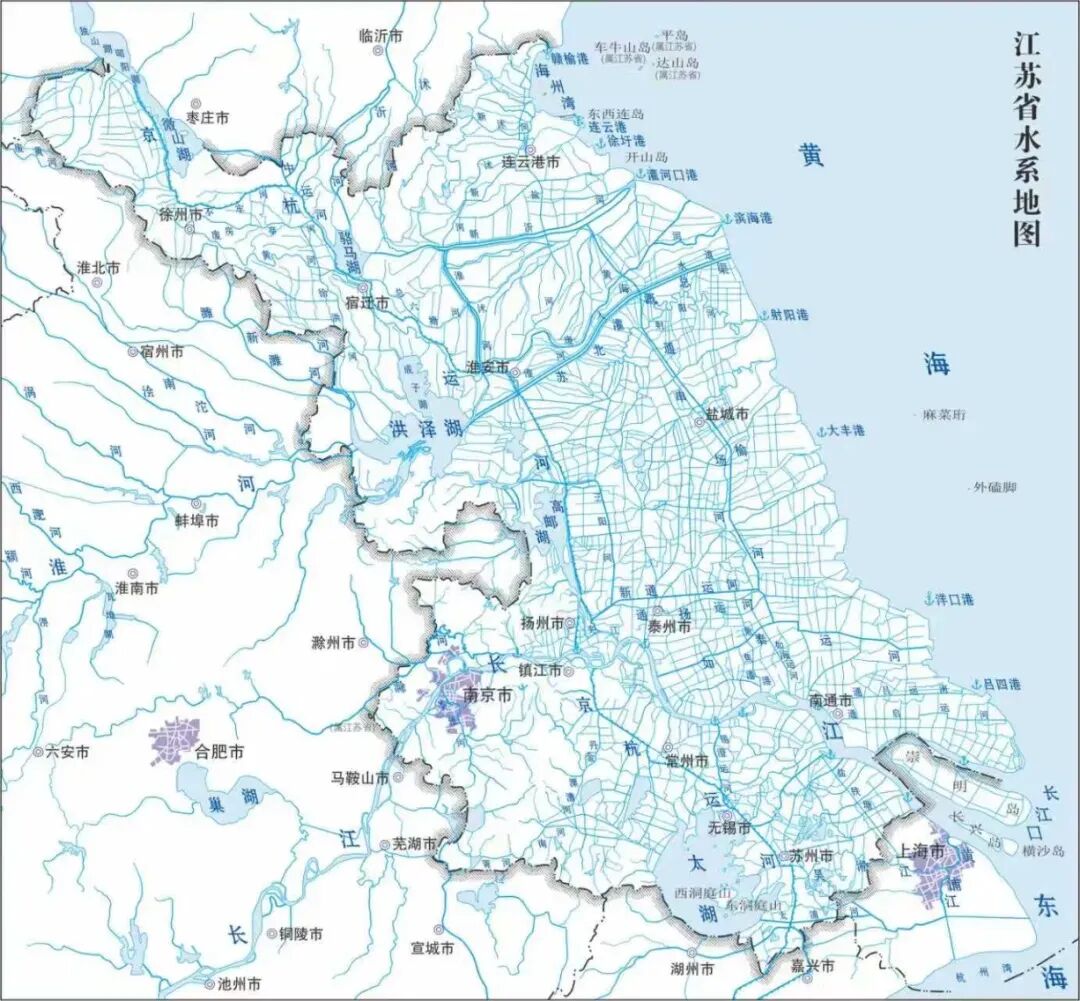
Core Insights - Jiangsu is transforming from a "water-scarce" province to a modern water management powerhouse, despite its limited local water resources, which are only one-fifth of the national average per capita [1][4][23] - The province's success is attributed to stringent water management policies initiated in 2012, which set a rigorous standard for water resource modernization [4][8][20] Group 1: Water Resource Management - Jiangsu's water resource management is characterized by a strict regulatory framework established in 2012, which includes 22 quantifiable and enforceable indicators for water management [4][8] - The province has implemented significant reforms, resulting in the closure or rectification of over 20,000 polluting enterprises in the Taihu Lake basin alone [8][12] - The shift towards high-tech industries has replaced polluting sectors, with cities like Changzhou seeing industrial output surpassing 1.7 trillion yuan in 2024, driven largely by the renewable energy sector [10][12] Group 2: Technological Advancements - The South-to-North Water Diversion Project has catalyzed technological advancements in Jiangsu, particularly in pump station efficiency, which improved from 65% to over 80%, saving billions in energy costs annually [16][19] - Jiangsu's research institutions, particularly Hohai University, played a crucial role in overcoming technical challenges, leading to a shift from reliance on imported technology to domestic innovation [17][19] Group 3: Sustainable Development Practices - The modernization of water management in Jiangsu is rooted in sustainable development principles, exemplified by the revitalization of polluted rivers like the Jiulong River, which now serves as a community resource [20][22] - The integration of economic and ecological considerations in water management reflects the state's commitment to a balanced approach, ensuring community involvement in environmental stewardship [22][24] - Jiangsu's experience serves as a model for other provinces, emphasizing the importance of policy enforcement, technological innovation, and community engagement in achieving water resource modernization [22][23]