
跨境互联网券商监管

Search documents
调整为持有海外身份证明,富途、老虎再度缩紧内地居民开户通道
2 1 Shi Ji Jing Ji Bao Dao· 2025-09-24 14:53
Core Viewpoint - The cross-border internet brokerage firms are tightening their account opening policies for mainland residents, shifting from requiring "overseas living and working proof" to "overseas identity documents" [2][10]. Group 1: Policy Changes - Futu and Tiger Brokers now require mainland clients to provide overseas residency identification for account opening, with specific documentation needed [2][3]. - The adjustment reflects a broader trend of tightening access for mainland investors to Hong Kong and U.S. stock markets, with several firms implementing stricter requirements throughout the year [2][6]. Group 2: Documentation Requirements - To open an account, mainland clients must submit two documents: a valid mainland identification (such as ID card or passport) and a Hong Kong or Macau identification [3][5]. - Acceptable proof of overseas residency includes recent utility bills, bank statements, or government-issued documents, all dated within three months [4]. Group 3: Regulatory Context - The tightening of account opening policies is part of ongoing regulatory scrutiny that began in 2021, aimed at curbing illegal cross-border brokerage activities [8][9]. - The China Securities Regulatory Commission (CSRC) has emphasized the need to prevent unlicensed foreign entities from soliciting mainland investors and has mandated compliance with local laws [9].


调整为持有海外身份证明 富途、老虎再度缩紧内地居民开户通道
2 1 Shi Ji Jing Ji Bao Dao· 2025-09-24 14:39
Core Viewpoint - The tightening of account opening policies for mainland residents by cross-border internet brokerages such as Futu and Tiger Brokers reflects increased regulatory scrutiny and a shift towards requiring overseas residency documentation for account applications [2][9][12]. Group 1: Policy Changes - Cross-border internet brokerages have changed their account opening requirements for mainland clients from "proof of overseas living or working" to "overseas residency identification" [2][5]. - Futu Holdings and Tiger Brokers now require mainland clients to provide valid mainland identification (such as ID card or passport) along with identification from Hong Kong or Macau for account opening [5][6]. - Other overseas residency documents are currently not supported, but there are plans for system upgrades to include them in the future [5][6]. Group 2: Industry Trends - The tightening of account opening channels for mainland clients has been ongoing throughout 2023, with several brokerages like Interactive Brokers and Changqiao Securities implementing similar restrictions [9][10]. - The regulatory environment has been increasingly stringent since 2021, with the China Securities Regulatory Commission (CSRC) taking steps to curb illegal cross-border brokerage activities [11][12]. - The CSRC's measures include prohibiting unlicensed foreign institutions from soliciting mainland investors and restricting new account openings while allowing existing investors to continue trading under strict regulations [12][13]. Group 3: Implications for Investors - Investors seeking to open accounts with these brokerages must now provide substantial proof of their overseas residency, which may limit access for many potential clients [8][10]. - The changes are seen as a response to the increasing enforcement of tax regulations and compliance with international standards, particularly under the Common Reporting Standard (CRS) [14].

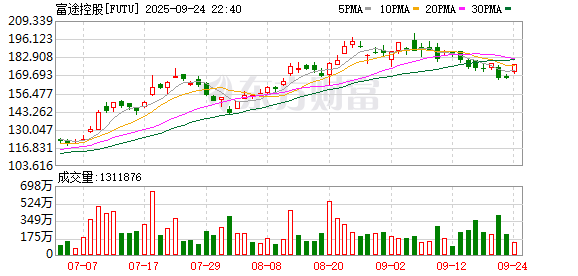
独家|富途证券、老虎证券进一步关闭中国内地居民开户通道
Di Yi Cai Jing· 2025-09-22 11:44
Core Viewpoint - The recent regulatory changes have led to cross-border internet brokers, Futu Securities and Tiger Brokers, tightening their account opening policies for mainland Chinese residents, significantly impacting their ability to invest in Hong Kong and U.S. stocks [2][3]. Group 1: Regulatory Changes - Futu Securities now requires mainland Chinese clients to hold overseas permanent residency identification to open accounts, while Tiger Brokers has stopped accepting applications from mainland residents altogether [2][3]. - Previously, Futu Securities allowed account openings for mainland clients who could provide valid overseas work or living proof, but this has now been restricted further [3]. - The tightening of account opening conditions is part of a broader regulatory effort by the China Securities Regulatory Commission (CSRC) to address illegal cross-border securities activities [3]. Group 2: Market Context - The tightening measures come amid increased scrutiny of cross-border investment activities and a growing focus on tax compliance for mainland residents investing in overseas markets [4][5]. - Other brokers, such as Interactive Brokers and Changqiao Securities, have also restricted account openings for mainland residents, indicating a trend across the industry [4]. - The adjustments in policies reflect a shift towards more stringent requirements, with a focus on compliance with local regulations and tax obligations [5]. Group 3: Investment Alternatives - Mainland investors are advised to consider alternative investment routes such as the Hong Kong Stock Connect and ETFs listed in mainland markets, which may offer more favorable tax conditions [5].
盈透证券跟进!互联网券商全面收紧内地居民开户
2 1 Shi Ji Jing Ji Bao Dao· 2025-09-11 05:20
Core Viewpoint - The tightening of account opening policies for cross-border internet brokers targeting mainland residents has been implemented, with several firms, including Futu Holdings and Interactive Brokers, now requiring proof of long-term overseas residence or employment instead of the previous "stock proof" method [1][2][5]. Group 1: Policy Changes - Interactive Brokers has updated its account opening requirements, necessitating long-term overseas living or working proof for mainland investors, as the previous stock proof method is no longer accepted [2][5]. - Other brokers, such as Futu Holdings and Long Bridge Securities, have also adjusted their policies to comply with regulatory requirements, limiting account openings to those who can provide valid overseas proof along with a mainland ID [5][6]. Group 2: Regulatory Environment - The regulatory environment for cross-border internet brokers has been tightening since 2021, with the People's Bank of China and the China Securities Regulatory Commission (CSRC) emphasizing the need for compliance and the prohibition of illegal financial activities targeting mainland investors [7][8]. - The CSRC has been actively working to rectify illegal cross-border operations, including prohibiting firms from soliciting mainland investors and opening new accounts without proper licensing [7][8]. Group 3: Market Impact - The increased account opening requirements are expected to significantly raise the barriers for mainland residents wishing to invest through cross-border internet brokers, potentially leading to a decline in new account openings [5][6]. - The changes come amid a broader context of enhanced tax compliance measures in China, particularly under the Common Reporting Standard (CRS), which has prompted many investors to seek brokers in non-CRS jurisdictions [4][6].