跨境居住 - 就业

Search documents
最低40万元一套,李嘉诚家族甩货大湾区400套房源
Sou Hu Cai Jing· 2025-07-31 22:45
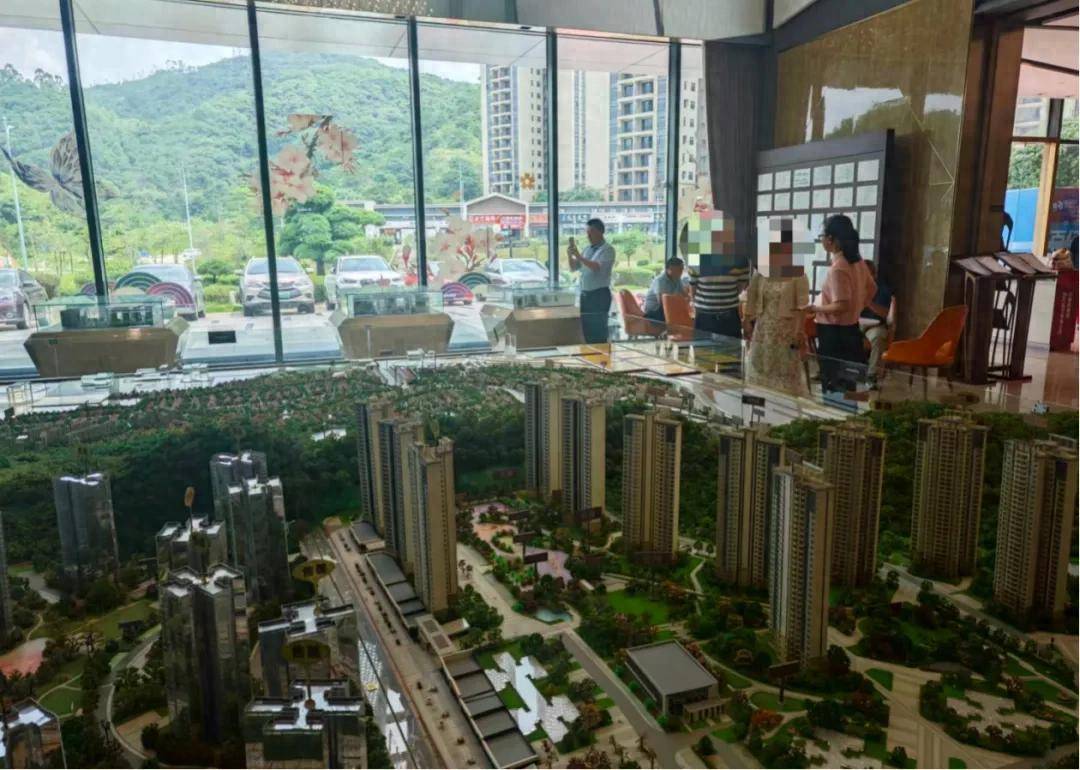
Core Viewpoint - The article highlights the increasing demand from Hong Kong buyers for properties in mainland China, particularly in the Guangdong province, driven by lower prices and better living conditions compared to Hong Kong [1][9]. Group 1: Market Trends - The four projects promoted by Cheung Kong Property include Huizhou Longbo Garden, Zhongshan Longbo Garden, Guangzhou Yicui Garden, and Dongguan Haiyi Haoting, totaling 400 units with prices starting from 400,000 RMB [1][3]. - The trend of Hong Kong residents purchasing properties in mainland China has become significant, with 3,341 transactions recorded by the People's Bank of China in Guangdong, generating cross-border income of 3.08 billion RMB as of June [1][10]. - The demand for properties in the Greater Bay Area is attributed to its improved connectivity and public services, making it a preferred destination for Hong Kong residents [1][9]. Group 2: Property Details - Huizhou Longbo Garden is the largest project with 300 units available, while Dongguan Haiyi Haoting targets high-end buyers with villas priced between 7 million to 8 million RMB [3][5]. - The properties being sold are primarily from earlier low-cost land acquisitions, with significant sales already recorded, such as nearly 600 units sold in Huizhou Longbo Garden, mostly to Hong Kong buyers [3][5]. - The average price per square meter for Huizhou Longbo Garden is approximately 8,632 RMB, which is less than one-tenth of the average new home price in Hong Kong, making it attractive to the middle class [9][10]. Group 3: Buyer Motivations - The shift in Hong Kong buyers' motivations from investment to self-occupation is noted, with a focus on living conditions and long-term value rather than just asset allocation [12]. - The aging population in Hong Kong and the establishment of businesses and universities in the Greater Bay Area are contributing to the increasing demand for housing among Hong Kong residents [9][12]. - The development of a "one-hour living circle" in the Greater Bay Area is facilitating a more normalized cross-border living and working environment, enhancing the appeal of mainland properties [12].