跨大西洋关系重塑

Search documents
(国际观察)慕安会欧美正面交锋 跨大西洋关系加速重塑
Zhong Guo Xin Wen Wang· 2026-02-16 03:16
Core Viewpoint - The 62nd Munich Security Conference highlighted the deepening rift in transatlantic relations, with both the U.S. and Europe openly addressing their significant differences, indicating an inevitable adjustment in their relationship [1] Group 1: U.S. Criticism of Europe - U.S. Secretary of State Rubio criticized Europe's immigration policies, claiming that large-scale immigration threatens social cohesion and cultural continuity, echoing Trump's anti-immigration stance [2] - European leaders, including German Chancellor Merz and French Minister Haddad, expressed a lack of agreement with Rubio's views, emphasizing that Europe's focus should be on strengthening its own capabilities rather than engaging in U.S.-led cultural wars [2] Group 2: Ukraine Crisis and Greenland Issue - The Ukraine crisis and the Greenland issue were major focal points at the conference, with Europe expressing ongoing distrust towards the U.S. regarding these matters [2][3] - European leaders, including President Zelensky of Ukraine, voiced dissatisfaction with the U.S. approach, feeling that the U.S. often demands concessions from Ukraine rather than Russia, and called for greater European involvement in negotiations [2] Group 3: European Strategic Autonomy - European leaders, including EU Commission President von der Leyen and President Macron, emphasized the need to enhance European strategic autonomy and defense capabilities, a long-standing advocacy of Macron [3] - Discussions on European nuclear deterrence were initiated between Merz and Macron, indicating a shift towards more independent European defense strategies [3] Group 4: U.S. Political Landscape - Several U.S. Democratic politicians attended the conference, attempting to reassure European attendees by criticizing Trump's foreign policy, with California Governor Newsom stating that Trump is a temporary figure [3] - Despite some support for these views among European attendees, concerns about the future of transatlantic relations remain prevalent, as noted by von der Leyen's comment on irretrievable crossed lines [3]

特朗普“夺岛关税”震撼欧洲,中国成最大赢家?
Sou Hu Cai Jing· 2026-01-18 21:37
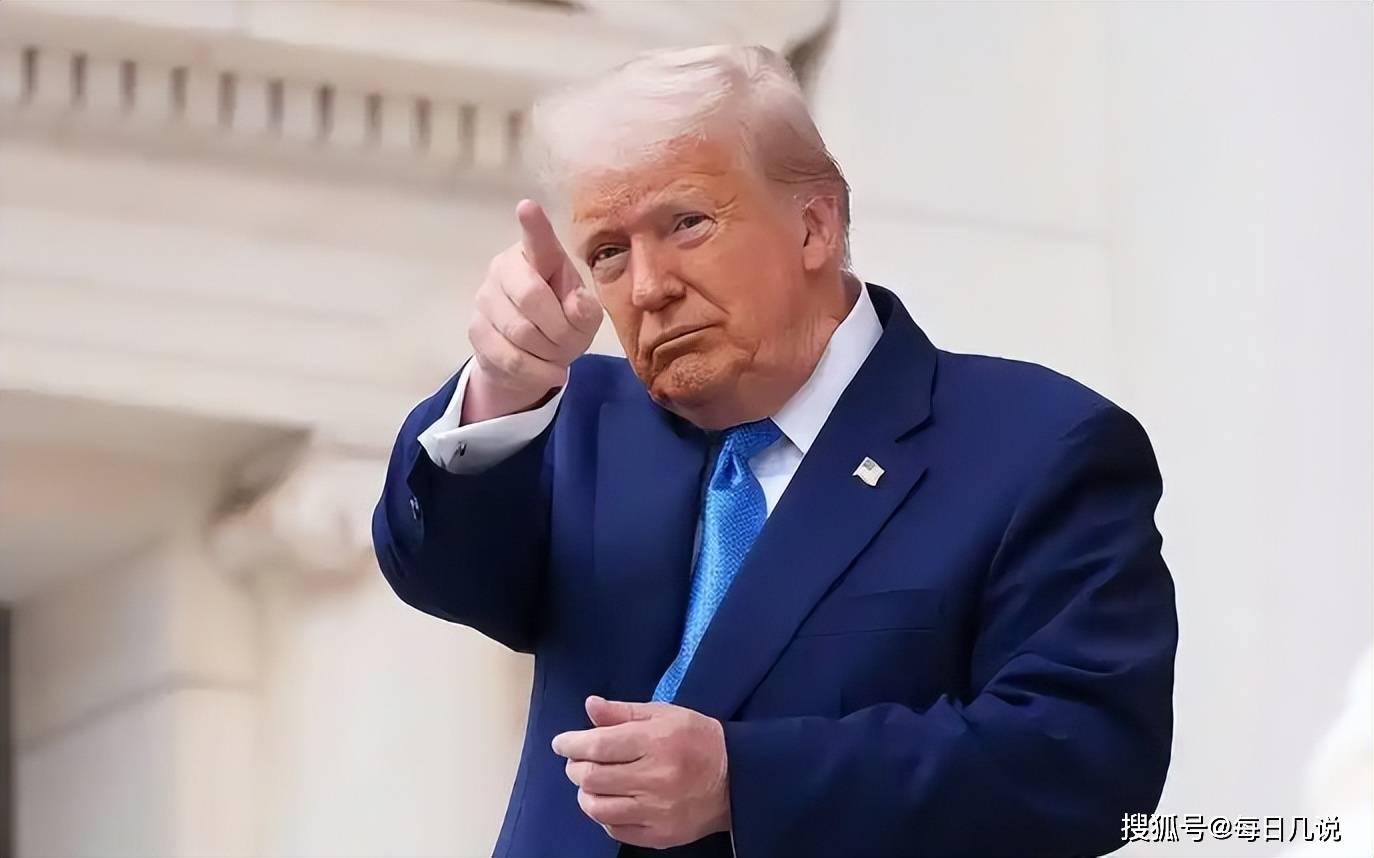
Core Viewpoint - The announcement by President Trump regarding tariffs on European goods has sparked significant diplomatic tensions, leading to an emergency meeting among EU ambassadors to address the implications of the proposed tariffs and the underlying territorial claims related to Greenland [1][3]. Group 1: Tariff Announcement and Reactions - President Trump declared a 10% tariff on all goods exported from Denmark, Norway, Sweden, France, Germany, the UK, the Netherlands, and Finland to the US, effective February 1, 2026, with an increase to 25% starting June 1, contingent upon a deal to "fully and completely purchase Greenland" [1][3]. - The EU responded swiftly, scheduling an emergency meeting to discuss the tariff threat and its implications for transatlantic relations, highlighting the shock and dissatisfaction among EU leaders regarding such economic coercion [3][4]. Group 2: European Leadership Responses - EU Commission President Ursula von der Leyen and European Council President Costa emphasized that territorial integrity and sovereignty are fundamental principles of international law, warning that such tariffs could damage transatlantic relations [4]. - The European Parliament's International Trade Committee Chair, Bernd Lange, condemned Trump's actions as "outrageous" and called for the EU to initiate procedures against economic coercion [6]. Group 3: Implications for EU-US Trade Relations - The tensions arising from Trump's tariff threats could jeopardize the trade agreement reached in July, with the European People's Party leader, Manfred Weber, stating that the agreement cannot be approved under the current circumstances [6][11]. - The potential for a renewed trade conflict between the US and Europe could introduce new uncertainties into global supply chains, affecting businesses that have adapted to a relatively stable trade environment [11]. Group 4: Strategic Considerations - The situation may provide China with increased diplomatic leverage as the rift between traditional allies could alter the global balance of power, with the potential for shifts in trade and geopolitical dynamics [6][11]. - Trump's approach reflects a unique strategy of extreme pressure, linking economic tools directly to territorial claims, which may redefine conventional understandings of international relations [7].