
路通财通

Search documents
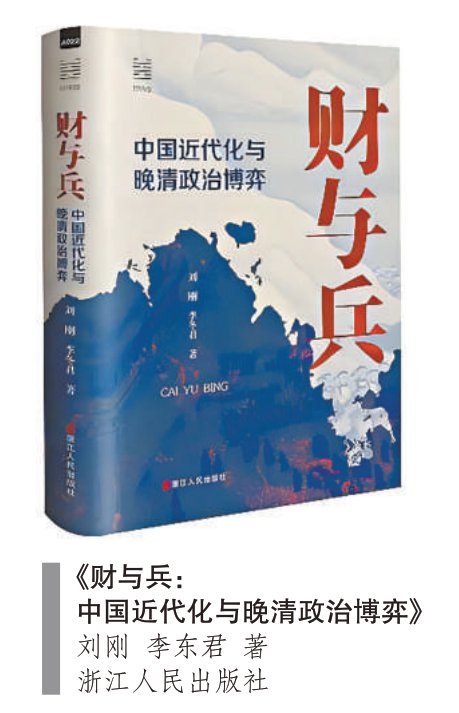
从马拉火车到黄金铁轨的兴衰之路
Xin Lang Cai Jing· 2026-01-23 06:33
Core Insights - The article discusses the historical significance of railway development in late Qing Dynasty China, emphasizing the connection between infrastructure and economic growth [2][6] - It highlights the political and financial struggles surrounding railway construction, illustrating the interplay between fiscal authority and military power [4][5] Group 1: Historical Context - The late Qing Dynasty experienced a sudden increase in fiscal revenue, reaching 200 million taels of silver, which raised questions about its origin and impact on the dynasty's fate [2] - The development of railways is presented as a critical factor in economic advancement, with the phrase "road leads to wealth" encapsulating this idea [6] Group 2: Key Figures and Events - Li Hongzhang faced significant opposition when advocating for railway construction, with initial projects being halted due to political pressures and superstitions [3] - The eventual push for railway development was driven by military needs and economic calculations, particularly after the First Sino-Japanese War, highlighting the urgency for modernization [4][5] Group 3: Financial Aspects - From 1896 to 1906, over 1.8 billion taels of foreign capital was borrowed to construct 2,100 kilometers of railway, demonstrating the financial viability of these projects [5] - The shift in public perception towards railways changed from resistance to enthusiasm, indicating a growing recognition of their economic potential [5][6] Group 4: Consequences and Legacy - The reliance on foreign investment for railway profits ultimately led to public discontent and contributed to the "Protection of Railways Movement," which played a role in the lead-up to the Xinhai Revolution [6] - The historical narrative illustrates that railway construction was not merely about physical infrastructure but also about opening up economic opportunities and transforming societal attitudes [6]

聚焦番禺北大门发展,霍启文建议尽快畅通洛溪半岛环岛南路
Nan Fang Du Shi Bao· 2026-01-19 06:47
Core Viewpoint - The proposal by Ho Qiwun emphasizes the urgent need to address the traffic issues in the Panyu District's Luoxi Peninsula, which is crucial for the area's economic development and public safety [1][2]. Group 1: Traffic Issues - The Luoxi Peninsula has seen continuous population growth, but the overall business environment and traffic conditions require improvement [1]. - The South Ring Road has been incomplete for ten years, creating a "comprehensive dilemma" of safety threats, public inconvenience, and developmental constraints [1]. - The South Ring Road is designated as a fire and emergency rescue route but is currently in a "dead-end" state, complicating emergency responses [1]. Group 2: Economic Impact - Traffic bottlenecks lead to a loss of commercial foot traffic and deter quality enterprises from entering the area, hindering the development of the "Luoxi Food Street" brand [2]. - The proposal suggests that improving road connectivity will activate financial flow and unlock the region's high-quality development potential [2]. Group 3: Recommendations - Ho Qiwun recommends including the South Ring Road completion project in the city's key livelihood projects, with a structured approach involving city-level oversight and district-level responsibility [2]. - A comprehensive system plan should be implemented, focusing on construction, management, enhancement, and empowerment to ensure the completion of the remaining road sections [2]. - The proposal includes optimizing traffic and living environments, enhancing pedestrian facilities, and improving public transport routes to create a safe and friendly community [3]. Group 4: Community Engagement - Establishing a diversified communication platform is suggested to involve legal, planning experts, and community representatives in the project [3]. - Continuous and professional communication on core issues such as safety, compensation policies, and development vision is essential to build public consensus and facilitate project advancement [3].
远去的轮渡(我与一座城)
Ren Min Ri Bao· 2025-11-16 22:31
Core Viewpoint - The article reflects on the transformation of transportation infrastructure in the region, particularly the transition from ferry services to modern bridges, symbolizing rapid urban development and economic progress. Group 1: Historical Context - In the early 1970s, the ferry service across the Nan Du River was a vital transportation link for vehicles and goods heading to Hainan Island, with long wait times for vehicles due to limited ferry availability [4]. - The local economy benefited from the ferry service, as nearby villagers sold local specialties to travelers, creating a bustling market atmosphere around the ferry terminal [4]. Group 2: Economic Impact - The ferry service facilitated the transport of goods, including ceramics from Leizhou, to Southeast Asia and Europe, highlighting its role in regional trade [5]. - The local economy thrived on the sale of unique products like Leizhou rush products, which became popular among travelers due to their affordability and practicality [4]. Group 3: Infrastructure Development - The advent of bridges replaced the ferry service, leading to increased efficiency in transportation, with new bridges allowing for multiple lanes of traffic and reducing travel time significantly [5]. - Major bridge projects, such as the Hong Kong-Zhuhai-Macao Bridge and the Shenzhen-Zhongshan Channel, exemplify the advancements in infrastructure, marking a shift from slow ferry crossings to rapid vehicular movement [5]. Group 4: Symbolism of Change - The transition from ferries to bridges symbolizes the broader changes in urban landscapes and the rapid pace of development in the region, reflecting a shift in societal needs and technological advancements [6].