轻资产运营+专项债

Search documents
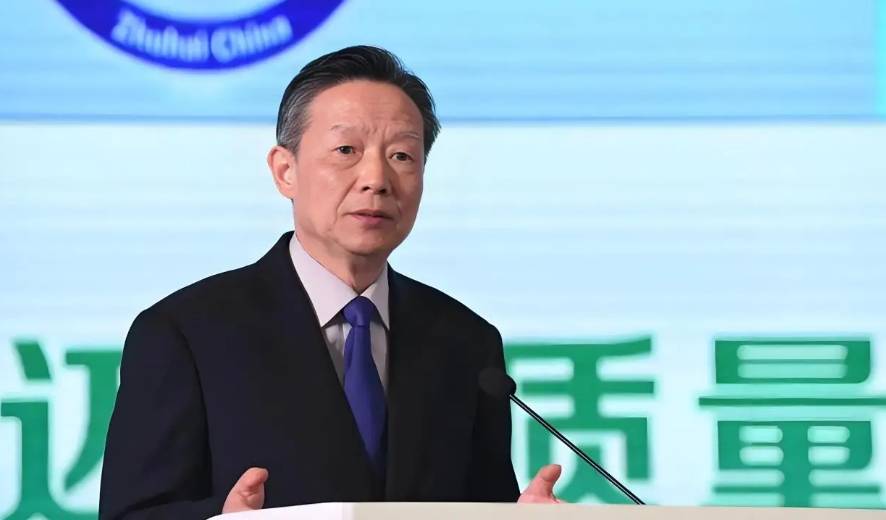
仇保兴:以“韧性”视角拆解房地产下半场|房地产政策专家邀约
Sou Hu Cai Jing· 2025-08-13 03:14
Core Viewpoint - The real estate market is undergoing significant differentiation and institutional restructuring, with resilience being the key to stability in the sector [1][3]. Market Stage - National housing prices have entered a general downward trend, with extreme regional disparities: first-tier and core second-tier cities are seeing a recovery in transactions, while third and fourth-tier cities are experiencing simultaneous declines in both volume and price [3]. - The commercial real estate sector is facing severe challenges, with office vacancy rates reaching historical highs, posing significant issues for local governments [3]. Policy Orientation - The central government has decentralized real estate regulatory authority to local governments, advocating for a shift from centralized to decentralized regulation, allowing cities to adjust policies based on local conditions [4]. - A three-tier "stability" joint meeting system is proposed to prevent conflicting departmental policies [4]. Financing Logic - Real estate companies must transition from high-leverage land acquisition to a model focused on "light asset operations + special bonds," with local platform companies repurposing existing assets into affordable housing and talent apartments [5]. - Financial institutions are encouraged to connect with long-term funding sources like special bonds and REITs to improve corporate balance sheets and alleviate fiscal pressures [5]. Product Revolution - The future of housing should be driven by entrepreneurial risk-taking rather than government planning, with support for quality developers, cooperative housing organizations, and self-renovation committees for old communities [6]. - Policies should facilitate diverse, green, and low-carbon new supply on existing land [6]. Demand Activation - Three key strategies are proposed to unlock a potential investment space of 4 trillion yuan: cross-regional social security flow to release purchasing power, transforming idle rural land into long-term rental assets, and incentivizing self-reconstruction in old communities [7]. Youth Homeownership - For young buyers, two criteria are suggested: genuine demand should prompt action, as risks are lower than five years ago, and purchasing should align with quality educational, medical, and transportation resources, avoiding areas with negative externalities [8]. Conclusion - The real estate sector has transitioned from a phase of unilateral price increases to one of resilient competition, where the government acts as a stabilizing force, enterprises focus on product quality, and individuals approach home buying rationally [9].