辅助生殖监管体系

Search documents
全球精子库的「天花板」爆了大雷,上百个家庭陷入癌症噩梦
36氪· 2025-12-21 02:08
Core Viewpoint - The article discusses a significant scandal involving the European Sperm Bank in Denmark, where a donor unknowingly carried a rare and highly cancerous gene mutation, leading to health issues for numerous offspring. This incident raises questions about the regulatory framework surrounding assisted reproductive technologies and the trustworthiness of sperm banks globally [8][10][11]. Group 1: Incident Overview - The European Sperm Bank, a leading sperm bank in Denmark, has been a popular choice for families seeking donors based on aesthetic and health criteria [5][19]. - A recent investigation revealed that a donor, referred to as "Kjeld," carried a TP53 gene mutation linked to a high risk of cancer, affecting at least 197 children across 14 countries [9][10][11]. - As of now, 23 children have been confirmed to carry this mutation, with 10 diagnosed with cancer before the age of 15 [11]. Group 2: Regulatory and Ethical Concerns - The incident has prompted a reevaluation of the regulatory systems governing sperm banks, highlighting the need for stricter oversight in the assisted reproductive industry [11][40]. - The European Sperm Bank's screening process, which was previously considered rigorous, failed to detect the low-frequency mutation due to limitations in testing technology [31][41]. - The article emphasizes the ethical implications of sperm donation, including issues of identity, privacy, and the responsibilities of sperm banks to limit the number of families a single donor can assist [44][47]. Group 3: Market Implications - The European sperm market is projected to exceed £2 billion by 2033, with Danish sperm being widely used across Europe [19]. - The scandal has led to a trust crisis in sperm banks worldwide, prompting some to enhance their screening processes and reassure clients about the safety of their products [44][45]. - The global fertility services market is valued at over €45 billion, with an expected growth rate of 7% to 9% over the next decade, despite low regulatory standards [45].

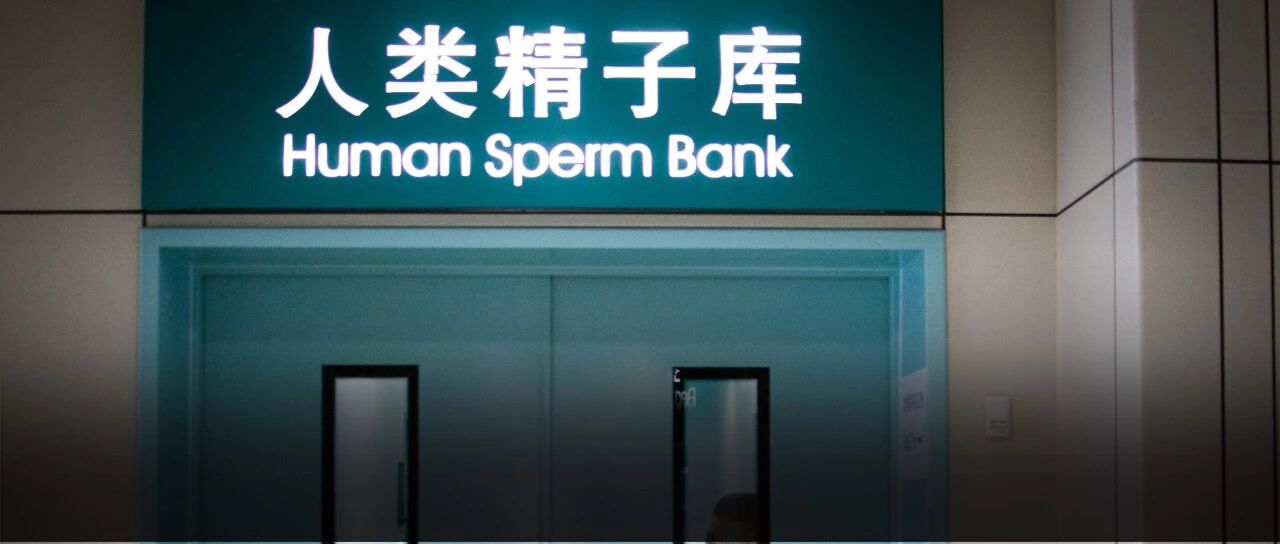
全球精子库“天花板”爆雷,上百个家庭陷入癌症噩梦
虎嗅APP· 2025-12-17 13:42
Core Viewpoint - The article discusses a significant crisis in the Danish sperm donation industry, particularly focusing on the European Sperm Bank, which has faced severe reputational damage due to a genetic mutation linked to cancer found in children conceived using its donor sperm [7][8][12]. Group 1: Background of the European Sperm Bank - The European Sperm Bank, established in 2004, is one of Denmark's largest sperm banks and has been known for its rigorous screening processes and diverse donor selection [5][12]. - Denmark is a leading sperm exporter, with a significant portion of sperm used in fertility treatments across Europe, including countries like Belgium and the UK [12]. Group 2: The Genetic Mutation Incident - A rare and highly carcinogenic genetic mutation (TP53 mutation) was discovered in a donor's sperm, which has led to at least 197 children being conceived across 14 countries, with 23 confirmed to carry the mutation [7][8][10]. - The mutation is associated with Li-Fraumeni syndrome, significantly increasing the risk of various cancers from a young age [11]. Group 3: Regulatory and Ethical Implications - The incident has raised questions about the regulatory framework governing sperm banks and the adequacy of current screening technologies, which failed to detect the mutation due to its low prevalence in the donor's sperm [18][24]. - There is a lack of consensus among EU countries regarding the maximum number of families a single donor can assist, leading to potential overuse of certain donors [21][22]. Group 4: Market Dynamics and Future Outlook - The European sperm market is projected to exceed £2 billion by 2033, driven by increasing demand for assisted reproductive technologies [12][26]. - The article highlights the ethical dilemmas and risks associated with sperm donation, emphasizing the need for improved transparency and regulation in the industry [24][27].