
边境后开放

Search documents
两会前瞻丨从海南自贸港到进口大市场 多措并举扩大高水平开放
2 1 Shi Ji Jing Ji Bao Dao· 2026-02-26 14:47
Core Viewpoint - The article emphasizes China's commitment to high-level opening-up, aiming to enhance international cooperation and trade, while improving domestic economic conditions through various reforms and policies [1][2][6]. Group 1: High-Level Opening-Up - The "15th Five-Year Plan" suggests expanding high-level opening-up, maintaining a multilateral trade system, and sharing opportunities with other countries [1]. - China aims to achieve an import scale of 18.5 trillion yuan by 2025, maintaining its position as the world's second-largest import market for 17 consecutive years [1][7]. - The country has implemented visa-free policies for 75 countries and expanded transit visa-free access to 55 countries, enhancing inbound tourism [1]. Group 2: Institutional Opening-Up - Institutional opening-up includes aligning with international standards in areas such as intellectual property protection and environmental standards, with pilot programs in free trade zones [2][3]. - The Hainan Free Trade Port is highlighted as a key area for institutional innovation and reform, with policies like "zero tariffs, low tax rates, and simplified tax systems" being implemented [4][6]. Group 3: Regional Economic Integration - The article discusses the importance of strengthening economic cooperation with the Asia-Pacific region, particularly through the RCEP framework, positioning Hainan as a strategic hub [6][7]. - The establishment of a "headquarters base" in Hainan for domestic companies to invest in ASEAN and vice versa is seen as a significant task for regional cooperation [7]. Group 4: Import Promotion Activities - The Ministry of Commerce plans to organize over 100 diverse import promotion activities in 2026, enhancing the linkage between "Export China" and "Buy in China" initiatives [8]. - China is also working on tax exemptions for 100% of tariff items for 53 African countries, promoting trade facilitation and market access [8]. Group 5: Service Sector Focus - The article emphasizes the need to focus on the service sector for market access and foreign investment, with new guidelines encouraging foreign investment in advanced manufacturing and modern services [9][10]. - The revised "Encouraging Foreign Investment Industry Catalog" aims to guide foreign investment towards specific sectors, enhancing the synergy between foreign capital and domestic policies [9].

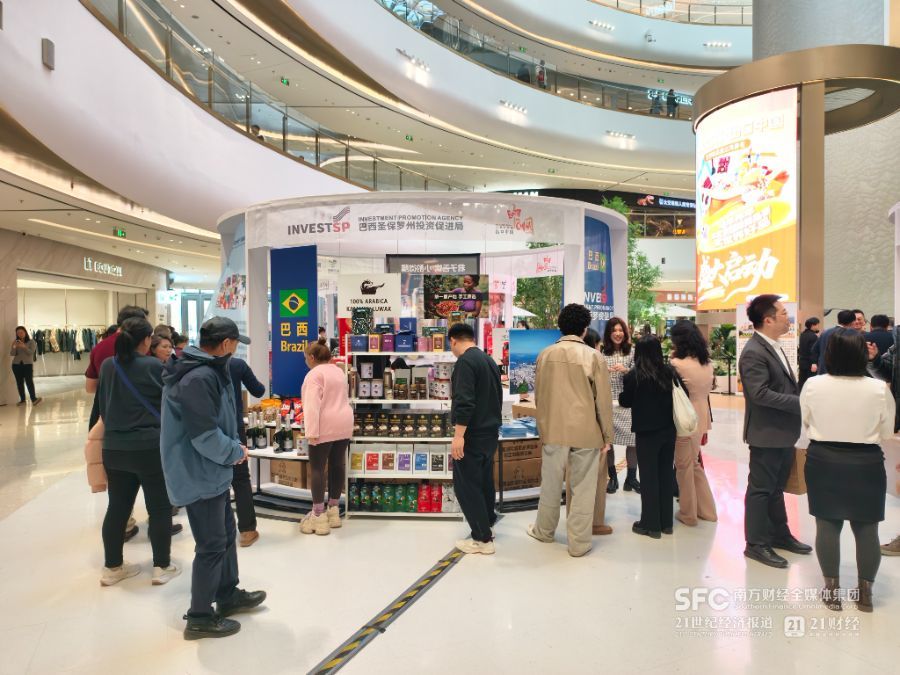
从海南自贸港到进口大市场,多措并举扩大高水平开放
2 1 Shi Ji Jing Ji Bao Dao· 2026-02-26 13:37
Core Viewpoint - The article emphasizes China's commitment to high-level opening-up, aiming to expand international cooperation and trade, enhance domestic reforms, and improve the overall economic environment for both citizens and businesses [1][2][3]. Group 1: High-Level Opening-Up - The "15th Five-Year Plan" suggests expanding high-level opening-up, maintaining a multilateral trade system, and promoting international circulation to share opportunities with the world [1]. - By 2025, China's import scale is projected to reach 18.5 trillion yuan, making it the world's second-largest import market for 17 consecutive years [1][6]. - China has implemented unilateral visa exemptions for 75 countries and expanded transit visa exemptions to 55 countries, enhancing inbound tourism [1]. Group 2: Institutional Opening-Up - Institutional opening-up includes aligning with international standards in areas such as intellectual property protection and environmental standards, with pilot programs in free trade zones and Hainan Free Trade Port [2][3]. - The Hainan Free Trade Port is set to enter a new phase of operation by December 2025, with policies like "zero tariffs, low tax rates, and simplified tax systems" being fully implemented [4]. Group 3: Regional Economic Integration - Strengthening economic cooperation with the Asia-Pacific region, particularly through RCEP, is a key task for China to respond to external challenges and enhance strategic positioning [5]. - The establishment of Hainan Free Trade Port aims to connect China's large market with the RCEP market, facilitating greater economic integration [5]. Group 4: Import Expansion and Trade Facilitation - China is actively promoting import expansion through various initiatives, including organizing over 100 import promotion activities in 2026 [6][7]. - The country has signed agreements to implement zero-tariff measures for 100% of tax items for 53 African countries, optimizing the structure of imported goods [7]. Group 5: Service Sector and Foreign Investment - The new "Encouragement Directory for Foreign Investment" emphasizes attracting foreign investment in advanced manufacturing and modern service industries, particularly in less developed regions [8]. - High-level opening-up in the service sector is expected to enhance competition and improve supply quality, meeting high-quality demand [8][9]. Group 6: Global Cooperation and Development - Expanding high-level opening-up is seen as a crucial step towards building a community with a shared future for mankind, facilitating global cooperation and addressing challenges collectively [9]. - The transition from border opening to post-border and eventually to external opening is highlighted as a future goal for China's international engagement [9].
两会前瞻丨从海南自贸港到进口大市场,多措并举扩大高水平开放
2 1 Shi Ji Jing Ji Bao Dao· 2026-02-26 12:32
Core Viewpoint - The article emphasizes China's commitment to high-level opening-up, aiming to enhance international cooperation and trade, while improving domestic economic conditions through various reforms and policies [1][9]. Group 1: High-Level Opening-Up - The "15th Five-Year Plan" suggests expanding high-level opening-up, maintaining a multilateral trade system, and promoting international circulation to share opportunities with the world [1]. - By 2025, China's import scale is projected to reach 18.5 trillion yuan, making it the world's second-largest import market for 17 consecutive years [1][8]. - China has implemented visa-free policies for 75 countries and expanded transit visa-free access to 55 countries, enhancing inbound tourism [1]. Group 2: Institutional Opening-Up - Institutional opening-up includes aligning with international standards in areas such as intellectual property protection and environmental standards, with pilot programs in free trade zones and Hainan Free Trade Port [2][4]. - The Hainan Free Trade Port is set to enter a new phase of operation by December 2025, with policies like "zero tariffs" and "low tax rates" being fully implemented [4]. Group 3: Regional Economic Integration - Strengthening economic cooperation with the Asia-Pacific region, particularly through RCEP, is a key task for China to respond to external challenges and enhance strategic positioning [5][6]. - Hainan Free Trade Port aims to serve as a strategic hub connecting China with ASEAN and RCEP markets, focusing on service, digital, and green sectors for deeper economic integration [5][6]. Group 4: Import Expansion Initiatives - The Chinese government is actively promoting import expansion through various initiatives, including over 100 import promotion events planned for 2026 [9]. - China has signed agreements to implement zero tariffs on 100% of tax items for 53 African countries, enhancing market access and promoting trade [9]. Group 5: Service Sector Focus - The new "Encouraging Foreign Investment Industry Catalog" encourages foreign investment in advanced manufacturing and modern service sectors, particularly in less developed regions [10]. - The emphasis on service sector opening is expected to improve supply quality and meet high-quality demand, contributing to domestic consumption [10]. Group 6: Future Outlook - Over the next five years, China is expected to deepen its opening-up across various dimensions, including trade, investment, and international cooperation, fostering a new pattern of openness [11]. - High-level opening-up is seen as essential for global cooperation and building a community with a shared future, aligning with global initiatives and enhancing China's international influence [11].