高水平对外开放

Search documents
中国“十五五”新蓝图蕴藏世界共同发展新机遇
第一财经· 2026-03-23 12:49
Core Viewpoint - The article emphasizes China's commitment to high-quality development and high-level opening-up amidst complex global challenges, positioning itself as a stabilizing force in the world economy [3]. Group 1: Economic Outlook and Development Plans - The Chinese government aims for an economic growth target of 4.5% to 5% for the year, allowing more room for structural adjustments and high-quality development [4]. - The "14th Five-Year Plan" focuses on enhancing domestic demand, improving income distribution, and increasing investment in education, healthcare, and social security to boost consumer spending [4][5]. - The Asian Development Bank highlights that investments centered on individuals are crucial for macroeconomic demand stimulation and resilience [5]. Group 2: High-Level Opening-Up - China is committed to expanding its high-level opening-up, emphasizing fair trade within a rules-based framework and increasing imports of quality foreign goods [7][8]. - The "14th Five-Year Plan" is designed to promote cooperative and win-win development, with a focus on maintaining a balance in trade rather than pursuing trade surpluses [8]. - The financial sector is a key area for high-level opening-up, with significant growth in foreign holdings of Chinese financial assets expected by the end of 2025 [9]. Group 3: Policy Coordination - The article discusses the importance of coordinated fiscal and monetary policies to support high-quality development, especially in the face of global economic pressures [11]. - The Chinese government emphasizes the need for policy synergy across fiscal, financial, employment, and industrial sectors to enhance the effectiveness of economic measures [11][12]. - Fiscal policy will focus on "investing in people," with significant investments in social welfare and public services planned for the next five years [12].

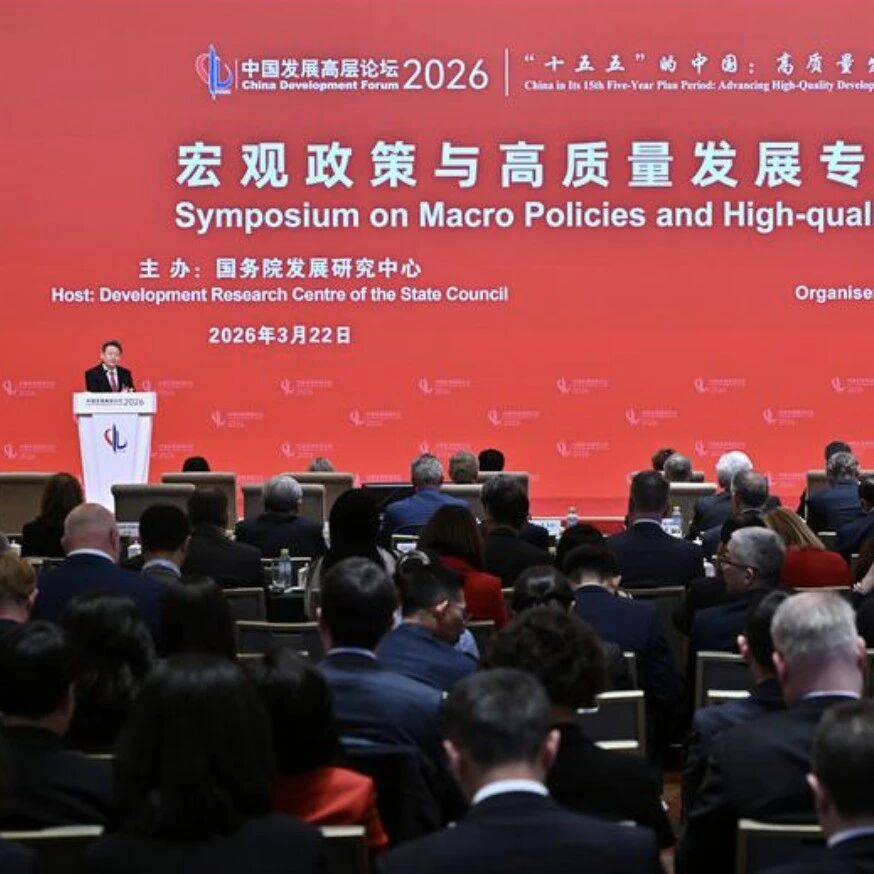
“十五五”规划纲要(全文)
财联社· 2026-03-13 14:09
Core Points - The "14th Five-Year Plan" outlines a comprehensive framework for China's economic and social development, emphasizing modernization and self-reliance in various sectors [1][2]. Group 1: Economic Development - The plan aims to create a modern industrial system to strengthen the foundation of the real economy [2]. - It emphasizes the acceleration of high-level technological self-reliance to lead new productive forces [2]. - The construction of a strong domestic market is prioritized to accelerate the formation of a new development pattern [2]. Group 2: Digital and Green Transformation - There is a focus on advancing digital China construction to enhance digital and intelligent development levels [2]. - The plan promotes a comprehensive green transformation of economic and social development to build a beautiful China [2]. Group 3: Social and Cultural Development - The strategy includes enhancing the population development strategy to promote high-quality population growth [2]. - It aims to invigorate national cultural innovation and creativity to prosper socialist culture [2]. Group 4: National Security and Defense - The plan outlines the modernization of the national security system and capabilities to build a higher level of a safe China [2]. - It includes goals for high-quality advancement of national defense and military modernization by the centenary of the army [2]. Group 5: Governance and Coordination - The plan emphasizes the need for a high-level socialist market economic system to enhance the momentum for high-quality development [2]. - It also focuses on optimizing regional economic layout to promote coordinated regional development [2].

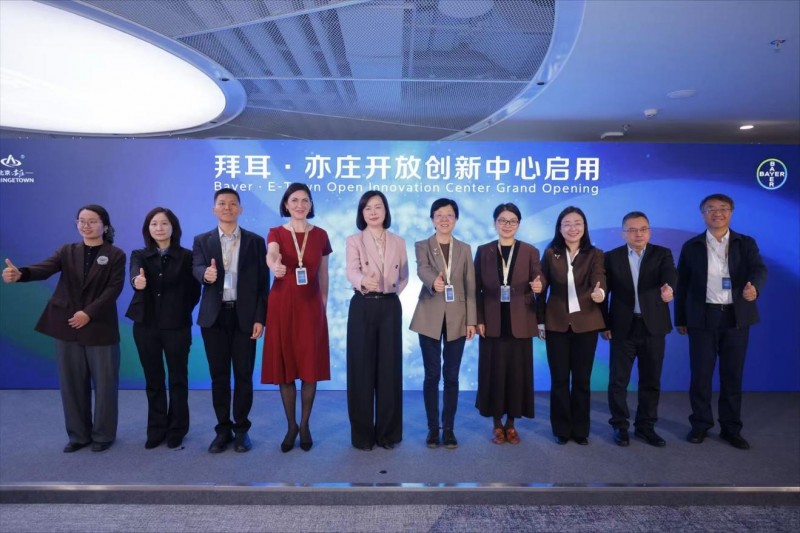
开放之门越开越大,拜耳中国用144年投出在华信任票
Sou Hu Wang· 2026-03-09 09:48
Core Viewpoint - The article emphasizes Bayer's long-term commitment to the Chinese market, highlighting its strategic investments and innovations that align with China's economic policies and development goals [1][2][3]. Group 1: Bayer's Historical Commitment to China - Bayer has been rooted in China for 144 years, marking its presence as one of the earliest multinational companies in the country [2]. - The establishment of Bayer China Limited in 1994 signified a systematic and comprehensive approach to its operations in China, evolving from trade to a full ecosystem of manufacturing, research, and innovation [2]. - Over the past three decades, Bayer has continuously increased its investment in China, including modern pharmaceutical production facilities and research centers [3]. Group 2: Recent Developments and Investments - In 2024, Bayer will launch two major research and innovation platforms in Shanghai, and by 2025, it will open a manufacturing center for crop protection products in Hangzhou with an investment exceeding 300 million RMB [3]. - As of March 2026, Bayer is expected to employ around 7,000 people in China and has established multiple supply and research centers [3]. Group 3: Alignment with Chinese Policies - Bayer's mission of "shared health and eliminating hunger" aligns with China's emphasis on biomedicine as a new pillar industry and its initiatives for rural revitalization and agricultural modernization [6][8]. - The company has successfully launched 19 innovative prescription drugs in China, reflecting its ability to synchronize with the country's drug approval processes [6]. Group 4: Innovation and Collaboration - Bayer is transitioning from merely introducing global innovations to enabling Chinese innovations to reach the world, exemplified by its partnerships with top Chinese universities and local biotech firms [11][12]. - The Bayer Co.Lab in China supports startups by providing funding, technical empowerment, and global networking opportunities, facilitating their entry into international markets [12]. Group 5: Future Outlook - Bayer aims to continue collaborating with Chinese innovation partners to build a community that benefits both China and the global market, contributing to sustainable development and national strategic goals [12].

两会|政府工作报告13次提及“保险”,是何用意?最新解读来了
券商中国· 2026-03-07 01:26
Core Viewpoint - The insurance industry is positioned as a "social stabilizer" and "economic shock absorber" in the government's work report, highlighting its role in various sectors such as commercial health insurance, long-term care insurance, agricultural insurance, and catastrophe insurance [1]. Group 1: Capital Market Reforms - The government work report emphasizes the need to further improve mechanisms for long-term capital entering the market, shifting from "actively promoting" to "improving mechanisms" [2]. - The focus is on enhancing the quality and efficiency of investment and financing reforms, supporting wealth growth for residents, and aligning capital markets with the goal of a "strong technology nation" [2]. - Insurance funds, as a typical long-term capital, have significantly increased their market participation, with a balance of 38.48 trillion yuan by the end of 2025, and stock investments rising to 3.51 trillion yuan, marking a 10.12% share [3][4]. Group 2: Development of Commercial Health Insurance - The government aims to accelerate the development of commercial health insurance to better meet diverse medical needs, with a focus on innovative drugs and medical devices [5][6]. - The introduction of the "commercial health insurance innovative drug directory" is expected to enhance the role of commercial health insurance in providing coverage for innovative treatments [7]. - Commercial health insurance is transitioning from a supplementary role to a key pillar in the multi-tiered medical security system, with potential growth in areas like chronic disease insurance and long-term care [7]. Group 3: Long-term Care Insurance System - The government work report reiterates the push for a long-term care insurance system, which has been a recurring theme in previous reports [8][9]. - The long-term care insurance system currently covers 300 million people, addressing the needs of an aging population and those with disabilities [9]. - Challenges remain in funding mechanisms, service supply, and assessment accuracy, which need to be addressed for effective implementation [10]. Group 4: Agricultural Insurance Development - The government is set to implement measures to promote agricultural insurance, enhancing disaster prevention and mitigation capabilities [11]. - In 2025, agricultural insurance premium income reached 155.55 billion yuan, providing risk coverage of 5.32 trillion yuan for 139 million households [12]. - The focus is on expanding coverage for staple crops and improving service capabilities through technology [13][14]. Group 5: Catastrophe Insurance System - The government work report highlights the need to strengthen the catastrophe insurance system, which is crucial for disaster risk management [15]. - In 2025, the insurance industry compensated over 30 billion yuan for significant natural disasters, demonstrating its role in disaster response [15][16]. - The catastrophe insurance coverage is still low compared to global standards, indicating a need for improvement in risk-sharing mechanisms and data support [16]. Group 6: Export Credit Insurance - The government work report emphasizes the importance of export credit insurance, marking its 12th consecutive mention since 2009 [18][19]. - This reflects a commitment to enhancing support for foreign trade and investment, which is welcomed by foreign insurance companies operating in China [20].
中金:联合解读《政府工作报告》
中金点睛· 2026-03-06 00:00
Core Viewpoint - The government work report emphasizes high-quality development and sustainable growth, balancing long-term goals with short-term necessities, while maintaining a flexible and proactive monetary and fiscal policy [4][17]. Macro: Greater Emphasis on Sustainability - The report highlights the need to reform economic cycles to enhance internal growth momentum, setting a GDP growth target of 4.5%-5% for 2026, which reflects a pragmatic approach to economic management [5][17]. - Monetary policy remains flexible, with expectations of potential interest rate cuts and reserve requirement ratio reductions to support economic stability [6][31]. - Fiscal policy is expected to maintain a similar scale to the previous year, with a slight increase in new debt issuance, focusing on structural adjustments and supporting consumption and investment [6][27]. Consumption and Investment - The report stresses the importance of stimulating domestic consumption through structural policies and temporary measures, including a 2,500 billion yuan special bond for consumer goods and a 1,000 billion yuan fund to promote domestic demand [9][18]. - It aims to enhance residents' income and improve the employment-friendly nature of the industrial structure, with specific measures to support low-income groups and improve social security [9][18]. Industry Policy and Technological Innovation - The report prioritizes the cultivation of new economic drivers and high-level technological self-reliance, with a focus on sectors like integrated circuits, aerospace, and biomedicine [10][18]. - It emphasizes the need for innovation and the commercialization of technological achievements, aiming to leverage China's large market and complete industrial system to enhance efficiency and drive economic growth [11][18]. Financial Sector Insights - The report indicates a continued focus on stabilizing growth and expanding domestic demand through fiscal injections into banks and new policy financial tools, which are expected to support credit demand [30][34]. - The issuance of special bonds to support state-owned banks is anticipated to enhance their capital and ability to support the real economy [32][34]. Real Estate Market Focus - The report reiterates the importance of addressing real estate supply issues, emphasizing inventory reduction and quality supply, which is crucial for stabilizing housing prices [38][39]. - It highlights the need for reforms in housing provident funds and improving the supply of affordable housing, aiming to create a more sustainable real estate market [38][39]. Energy and Environmental Policies - The report outlines goals for energy security and carbon reduction, aiming to enhance energy production capacity and promote green development [24][42]. - It emphasizes the importance of developing a new energy system and advancing low-carbon technologies, with specific targets for carbon emissions reduction [46][47].
居民增收计划、养老金上涨、支持AI开源社区……45个关键词读懂2026政府工作报告
经济观察报· 2026-03-05 09:11
Economic Growth - The GDP growth target for 2026 is set at 4.5% to 5%, reflecting a pragmatic policy approach and considering both internal and external pressures on the economy [4][5] - The adjustment in the growth target aims to balance quality and reasonable growth, laying a foundation for high-quality economic development [5] Fiscal Policy - The proposed deficit rate for 2026 is around 4%, with a deficit scale of 5.89 trillion yuan, an increase of 230 billion yuan from the previous year [7] - Public budget expenditure is expected to reach 30 trillion yuan for the first time, with a focus on optimizing expenditure structure to support consumption and improve living standards [9][10] Tax and Financial Reforms - The government plans to advance tax and financial system reforms, including increasing the proportion of state-owned capital returns and enhancing local tax systems [12] - The emphasis on zero-based budgeting aims to optimize fund allocation and improve the efficiency of fiscal spending [12] Employment and Income - The urban survey unemployment rate target is set at around 5.5%, reflecting the need for policies to stabilize employment amid structural pressures [18] - The government aims to synchronize resident income growth with economic growth, emphasizing measures to increase income for low-income groups and improve social security systems [20][22] Environmental Goals - The target for reducing carbon dioxide emissions per unit of GDP is set at around 3.8%, aligning with the goal of achieving carbon peak by 2030 [26][27] - The shift from energy consumption control to carbon emission control reflects the need for a more precise approach to managing carbon emissions [27][28] State-Owned Enterprise Reforms - The government plans to implement a systematic approach to deepen state-owned enterprise reforms, focusing on optimizing the layout of state-owned capital and structural adjustments [29][30] - The emphasis on improving the modern enterprise system aims to enhance corporate governance and promote market-oriented reforms [31] Open Economy - The government intends to further expand high-level opening-up, focusing on service sector liberalization and enhancing international cooperation [35][36] - The approach aims to balance reform depth with security, promoting a competitive and fair business environment [36] Agricultural and Rural Development - The government is set to promote agricultural insurance development and enhance comprehensive disaster prevention capabilities in agriculture [59] - Policies will focus on improving rural elderly care services and implementing long-term care insurance systems to address the challenges of an aging population [45][47] Capital Market Stability - Measures to stabilize the stock market include comprehensive policies to enhance market confidence and promote active trading [54] - The government aims to improve the mechanism for long-term capital entering the market, ensuring a stable and healthy capital market [63] Innovation and Technology - The government plans to cultivate emerging and future industries, encouraging state-owned enterprises to lead in opening application scenarios for new technologies [69][70] - Support for artificial intelligence and open-source community development is expected to drive innovation and commercialization in various sectors [75]
2026年政府工作报告重点内容与历年回顾
Guo Tai Jun An Qi Huo· 2026-03-05 07:19
1. Report Industry Investment Rating - No relevant content found 2. Core Viewpoints of the Report - The government aims to maintain stable and high - quality macro - economic development in 2026, with a GDP growth target of 4.5% - 5%, a CPI target of around 2%, and a goal of creating over 12 million new urban jobs. Fiscal policy remains positive and is set to be more forceful, while monetary policy is moderately loose. The government also focuses on promoting the healthy development of the capital and real - estate markets, and advancing national construction in multiple fields such as the unified market, modern industrial system, and rural revitalization [3] 3. Summary by Related Catalogs Macroeconomic Targets - Real GDP growth target in 2026 is 4.5% - 5%, unchanged from 2025 and slightly adjusted from 2024's 5% [3] - CPI target is around 2%, down from 2024 [3] - New urban employment target is over 12 million people, unchanged for three years [3] - Urban survey unemployment rate target is around 5.5%, unchanged for three years [3] - International payments are expected to remain basically balanced, unchanged [3] - Grain output target is over 1.4 trillion catties, rising from 2024's over 1.3 trillion catties [3] Fiscal Policy - Fiscal policy remains positive, with increased efforts and effectiveness [3] - Fiscal deficit rate rises from 3% in 2024 to 4% in 2026, and the fiscal deficit increases by 230 billion yuan [3] - Local government special bonds amount to 4.4 trillion yuan, unchanged from 2025 but up from 3.9 trillion yuan in 2024 [3] - Super - long - term special bonds total 1.3 trillion yuan, rising from 2024, with details including equipment renewal and other purposes [3] - Central budget expenditure is 755 billion yuan, rising compared to previous years [3] Monetary Policy - Monetary policy is moderately loose, aiming for flexible and precise effectiveness [3] - It maintains a reasonably abundant liquidity environment, with the possibility of timely reserve requirement ratio cuts and interest rate cuts [3] - Structural monetary policy tools are optimized and innovated, with an appropriate increase in scale [3] - Social financing and M2 growth rates are to be matched with nominal economic growth and price level targets [3] - The RMB exchange rate is to remain basically stable at a reasonable and balanced level [3] Other Key Areas - Capital market: Deepen comprehensive investment and financing reforms, promote the entry of long - term funds, and improve the direct and equity financing ratio [3] - Real - estate market: Promote the stable and healthy development of the market, and resolve risks [3] - Unified market: Promote the construction of a national unified market and rectify "involution - style" competition [3] - Work tasks: Include promoting modern industrial system construction, expanding domestic demand, implementing the strategy of rejuvenating the country through science and education, deepening reforms, expanding opening - up, preventing and resolving risks, and promoting rural revitalization, etc. [3]
十张AI电报带你看2026年国民经济和社会发展计划的主要任务
财联社· 2026-03-05 07:09
Group 1 - The core viewpoint of the article emphasizes the importance of expanding domestic demand and building a strong domestic market to drive economic growth [2][20] - The plan includes accelerating the construction of a modern industrial system and fostering new growth drivers [6][10] - It highlights the need for high-quality development through deepening economic reforms and enhancing the vitality of various business entities [14][17] Group 2 - The strategy involves promoting sustainable consumption growth and optimizing investment potential [2][3] - It aims to enhance the quality and efficiency of key industries while nurturing emerging and future industries [10][11] - The plan also focuses on improving public services and social security systems to better meet the needs of the population [32][35] Group 3 - The initiative includes advancing new urbanization and rural revitalization to promote urban-rural integration [23][24] - It emphasizes regional coordinated development and optimizing the regional economic layout [28][31] - The article discusses the importance of environmental sustainability, including energy conservation and carbon reduction efforts [36][38] Group 4 - The plan outlines the need for strengthening safety capabilities in key areas and improving public safety assurance [40][41] - It also mentions the importance of enhancing national defense mobilization capabilities and construction levels [41]
一图速览丨2026年政府工作十大任务
证券时报· 2026-03-05 02:32
Group 1 - The core viewpoint emphasizes the importance of building a strong domestic market and implementing measures to boost consumption and investment potential [3][4] - The government aims to accelerate the cultivation of new growth drivers while optimizing traditional industries and expanding the service sector [4][5] - There is a focus on enhancing technological self-reliance and innovation, particularly in key core technologies [4][6] Group 2 - The report highlights the need for deepening reforms in fiscal and financial systems to stimulate the vitality of various business entities [5][6] - It advocates for expanding high-level opening-up and promoting stable and optimized foreign trade [5] - The government is committed to rural revitalization, ensuring food production, and implementing targeted assistance measures [5][6] Group 3 - The initiative for new urbanization and regional coordinated development is emphasized, aiming for a people-centered approach [6] - There is a strong commitment to improving people's livelihoods, promoting quality employment, and enhancing education and healthcare services [6]
提振消费、人形机器人,人大首场发布会直面热点
21世纪经济报道· 2026-03-04 12:39
Core Viewpoint - The article emphasizes the importance of the upcoming National People's Congress (NPC) session, highlighting key themes such as high-level opening up, expanding domestic demand, and the development of humanoid robots as focal points for economic growth and innovation [1][4][5]. Group 1: Economic Growth and Domestic Demand - Consumption is identified as the main engine for economic growth, with the retail sales of consumer goods expected to exceed 50 trillion yuan by 2025, contributing 52% to economic growth [4]. - The government plans to expand the supply of quality consumer goods and services, implement actions to enhance service consumption, and optimize policies for upgrading consumer goods [4]. - Measures will be taken to promote high-quality employment and increase residents' income, thereby enhancing their consumption capacity [4]. Group 2: Foreign Investment and Global Trade - China aims to maintain a stable export share of over 14% globally, with a focus on high-tech industries, which are expected to account for nearly one-third of foreign investment by 2025 [6]. - The country has implemented various policies to attract foreign investment and promote high-level opening up, including the establishment of the Hainan Free Trade Port [6]. - China is positioned as an ideal investment destination for foreign businesses, emphasizing a transparent and stable policy environment [6]. Group 3: Technological Innovation - The humanoid robot industry is expected to achieve significant technological breakthroughs and application scenarios in 2025, integrating advanced technologies such as artificial intelligence and high-end manufacturing [8]. - The government will strengthen original innovation and key core technology research during the 14th Five-Year Plan period, promoting the deep integration of technological and industrial innovation [8][9]. Group 4: Environmental Legislation - The NPC will review the draft of the Ecological Environment Law, which aims to consolidate existing environmental laws and enhance the legal framework for ecological protection [10][11]. - The law is intended to address the need for stricter regulations to support green and low-carbon development, reflecting the increasing importance of ecological civilization in national policy [10][11]. Group 5: National Unity and Social Cohesion - The NPC will also review the draft of the National Unity and Progress Promotion Law, aimed at enhancing national cohesion and supporting ethnic regions in integrating into the national development framework [12].