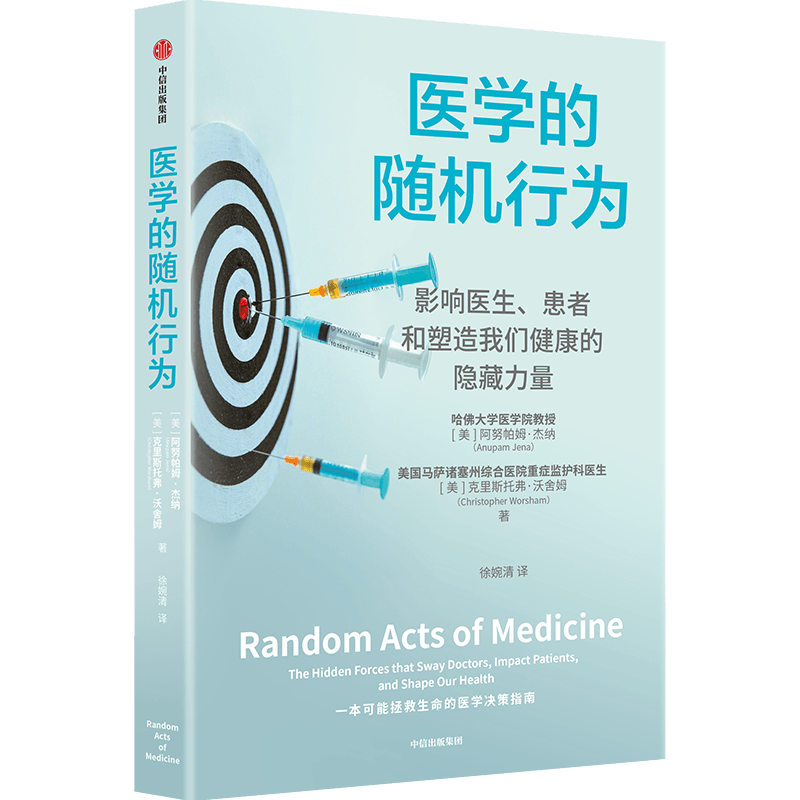
过度医疗

Search documents
何种“看病”算消费?
Xin Lang Cai Jing· 2026-01-24 20:40
Core Viewpoint - The article discusses the application of consumer rights protection laws in medical service disputes, emphasizing that the nature of the medical service and the relationship between the patient and the medical institution determine whether such laws apply [2][4]. Group 1: Legal Framework - The core standard for determining if medical services fall under consumer rights protection laws is whether the services are autonomously priced and based on mutual consent in market transactions [2]. - Generally, medical disputes should not be governed by consumer rights protection laws due to the strong social security attributes of medical services, especially when basic medical insurance is involved [2][4]. Group 2: Case Background - A patient, Lin, sought treatment at a hospital misrepresented as a "comprehensive national three-tier hospital" and paid over 60,000 yuan for treatment that did not improve his condition [3]. - The hospital was later found to be a primary-level facility and faced administrative penalties for misleading patients [3]. Group 3: Court Ruling - The Beijing Third Intermediate People's Court ruled that if the medical institution is for-profit and the patient pays out-of-pocket without using basic medical insurance, the relationship can be treated as a consumer transaction, thus applicable under consumer rights protection laws [3][4]. - The court ordered the hospital to refund Lin's medical expenses and pay triple damages amounting to over 180,000 yuan due to fraudulent practices [3]. Group 4: Judicial Insights - The presiding judge noted that the hospital's actions constituted excessive medical treatment and misrepresentation, violating principles of honesty and professionalism [4]. - The judge clarified that not all medical disputes fall under consumer rights protection laws, and specific circumstances must be analyzed to determine applicability [4].
一级医院声称“正规三甲” 诱导红疹患者过度医疗 法院判决构成欺诈“退一赔三”
Yang Guang Wang· 2025-11-18 05:04
Core Viewpoint - The case highlights the issue of medical fraud and over-treatment in healthcare, emphasizing the need for consumer protection in medical services [1][4][6]. Group 1: Case Summary - A patient named Xiao Lin spent over 60,000 yuan on treatments for skin rashes at a hospital falsely claiming to be a "three-tier A hospital," which was actually a level one hospital [1][2]. - The court ruled that the hospital's actions constituted fraud, ordering the hospital to refund all medical expenses and pay triple damages [2][4]. Group 2: Legal Framework - The court applied the Consumer Rights Protection Law of the People's Republic of China, recognizing the medical service contract as a consumer relationship due to the hospital's profit-driven nature and the patient's self-funded treatment [4][5]. - The ruling supports punitive damages under the Consumer Rights Protection Law, allowing for triple compensation in cases of fraud [4][6]. Group 3: Medical Fraud Characteristics - Common fraudulent practices include misrepresenting medical qualifications, providing unnecessary treatments, and exaggerating patient conditions to induce unnecessary expenses [5][6]. - The court emphasized the importance of distinguishing between medical fraud, medical breach of contract, and medical malpractice in legal proceedings [5][6]. Group 4: Broader Implications - The case reflects a growing concern over excessive medical practices that violate consumer rights, urging stricter regulatory oversight and legal accountability for healthcare providers [6][7]. - Experts stress the need for heightened awareness of over-treatment and fraud in both profit-driven and non-profit healthcare institutions, advocating for the application of consumer protection laws in medical disputes [7].
年年体检却突然确诊癌症,1000元套餐还要做吗?
Hu Xiu· 2025-07-29 10:02
Core Viewpoint - The case of Zhang Xiaoling highlights significant concerns regarding the reliability of commercial health check-up services, particularly in cancer detection, raising questions about the effectiveness of routine screenings and the potential for misdiagnosis [2][4][27]. Group 1: Company and Service Reliability - Zhang Xiaoling underwent annual health check-ups at Aikang Guobin for ten years without being informed of any cancer risks, despite her eventual diagnosis of advanced kidney cancer [2][8]. - Aikang Guobin stated that they had reviewed Zhang's medical records and found no flaws in their kidney examinations, asserting their lack of responsibility in her case [3][7]. - The incident has sparked public debate about the trustworthiness of commercial health check-up institutions and the adequacy of cancer screening methods [4][27]. Group 2: Screening Limitations - Experts suggest that routine health check-ups primarily identify chronic diseases like hypertension and diabetes, with limited effectiveness in cancer detection [5][29]. - Various screening methods, such as ultrasound and CT scans, have inherent limitations, and a combination of different tests is recommended for more accurate results [5][19]. - The common use of tumor markers like CEA in screenings is criticized, as they are not reliable for early detection of certain cancers, including kidney cancer [11][12][14]. Group 3: Patient Experience and Misdiagnosis - Zhang's experience reflects a broader issue where patients report instances of missed cancer diagnoses despite normal results from commercial health check-ups [6][27]. - Misinterpretation of test results and inadequate communication from health check-up providers can lead to delayed diagnoses and treatment [16][18]. - The case emphasizes the need for better patient education regarding the significance of test results and the importance of follow-up examinations when abnormalities are detected [8][19]. Group 4: Recommendations for Improvement - Medical professionals recommend that individuals, especially those at higher risk, should seek more comprehensive evaluations, including advanced imaging techniques like CT or MRI, rather than relying solely on routine check-ups [30][31]. - Regular health screenings should be tailored to individual health profiles, considering factors such as age, family history, and existing health conditions [30][36]. - The importance of maintaining personal health records and undergoing early cancer screenings is emphasized to improve early detection rates and treatment outcomes [35][36].

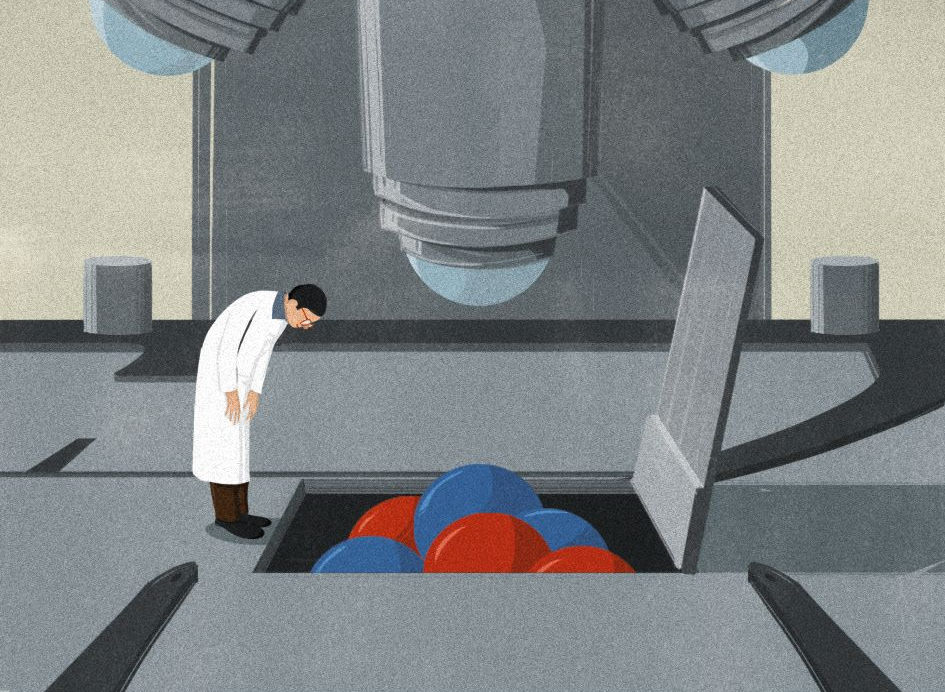
黄石博仕肛肠医院过度医疗问题追踪
Xin Hua Wang· 2025-06-16 12:02
Core Viewpoint - The Huangshi Boshi Anorectal Hospital has been found to engage in excessive medical practices, with over 90% of patients undergoing surgery, significantly higher than the local average of 40% [3][4][8] Group 1: Investigation Findings - Out of 125 sampled cases, 113 were identified to have excessive medical behaviors, including surgeries performed on patients who did not meet surgical indications [3][4] - The hospital's overall surgical rate exceeds 90%, which is substantially higher than the local average of 40% [4] - The hospital has been penalized with a punitive compensation of over 530,000 yuan, three times the amount involved in the case [1] Group 2: Misleading Practices - The hospital utilized false advertising to attract patients, promoting low-cost diagnostic services that led to high overall treatment costs [4][5] - Patients were often misled about their medical conditions, with doctors exaggerating the severity to induce unnecessary surgeries [4][5] - There were instances of doctors changing to more expensive medical supplies during surgeries without patient consent, leading to inflated medical bills [5] Group 3: Systemic Issues - The Huangshi Boshi Anorectal Hospital, established in December 2015, operates as a private institution with a focus on maximizing revenue, linking departmental profits to staff salaries [6][7] - The hospital's past violations included multiple administrative penalties for fraudulent billing practices, yet it continued to operate without significant changes [8] - The lack of stringent penalties for excessive medical practices has allowed such behaviors to persist, with fines being minimal compared to the hospital's revenue from surgeries [8] Group 4: Recommendations for Improvement - There is a call for improved legal frameworks to address excessive medical practices, including clearer penalties for hospitals and doctors [9] - Enhanced collaboration between health, insurance, and law enforcement agencies is recommended to improve the detection and prosecution of excessive medical practices [9] - Patient education is crucial to empower individuals to question medical recommendations and retain evidence for potential legal recourse [10]
医生失德、违规操作......如何理解医疗的随机行为?
Hu Xiu· 2025-04-28 08:29
Group 1: Medical Safety Incidents - Recent medical incidents have brought medical safety into the spotlight, including a surgeon's misconduct leading to multiple pregnancies and a patient's death after surgery [1] - A 30-year-old man died the day after a minor surgery at a reproductive hospital, and a 22-year-old woman suffered brain death due to improper medical procedures during a minimally invasive surgery [1] - A needle was left inside a patient after surgery, highlighting significant lapses in medical protocols and the randomness that can occur in surgical settings [1] Group 2: Randomness in Medical Decisions - The safety of a surgery is influenced not only by the surgeon's skills but also by various overlooked random events, such as decision fatigue and unexpected staff changes [2] - Experts argue that medical decisions are often based on chaotic and complex factors rather than purely scientific reasoning, emphasizing the role of randomness in healthcare [2] Group 3: ADHD Overdiagnosis - Research indicates that younger children in a school year are more likely to be diagnosed with ADHD due to developmental differences, leading to a 34% higher diagnosis rate compared to older peers [4][6] - Younger ADHD patients receive an average of 120 more days of medication treatment than their older classmates, despite not necessarily having biological deficiencies [4][5] Group 4: Diagnostic Errors - Diagnostic errors, including overdiagnosis, underdiagnosis, and misdiagnosis, are prevalent in healthcare, with about 5% of outpatient adults experiencing such errors, potentially leading to severe consequences [8][9] - Communication gaps among healthcare providers and between doctors and patients contribute significantly to diagnostic errors [9] Group 5: Impact of Physician Availability - Research shows that during periods of fewer available doctors, such as during major conferences, high-risk patients may have lower mortality rates compared to times with more doctors present [11] - The use of invasive procedures like heart stent placements decreases during these periods, suggesting that fewer interventions may lead to better outcomes for certain patients [11][12] Group 6: Balancing Treatment Approaches - There is a tendency for some doctors to over-treat patients who may not benefit from invasive procedures, while others may under-treat those who could benefit, highlighting the complexity of medical decision-making [13] - The challenge lies in balancing the need for medical interventions with the risks involved, emphasizing the importance of careful consideration in treatment decisions [12][13] Group 7: Conclusion on Medical Decision-Making - The overarching issues of overdiagnosis, overtreatment, and communication failures stem from cognitive limitations and systemic flaws in healthcare [14] - The need for a transparent and collaborative medical ecosystem is crucial to mitigate randomness and improve health outcomes [14]