
癌症筛查

Search documents
体检报告上有结节、息肉先别慌 了解这些指标很重要
Xin Lang Cai Jing· 2026-02-07 03:12
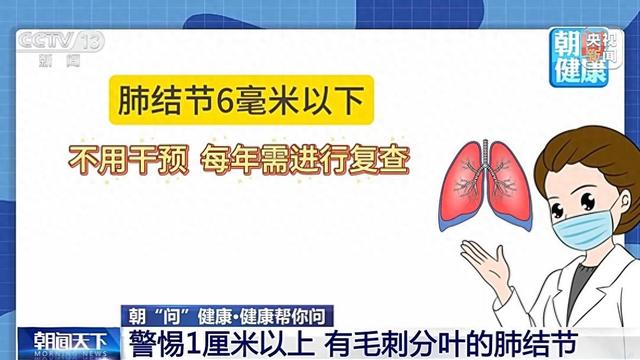
Core Viewpoint - The article emphasizes that many abnormalities found in health check reports, such as nodules and polyps, may not indicate cancer and often do not require immediate surgical intervention [1][6]. Group 1: Thyroid and Lung Nodules - Thyroid nodules are common, and while some may develop into thyroid cancer, ultrasound examinations can help determine if they are benign or malignant. Surgery is generally considered for benign nodules larger than 5 cm and malignant ones larger than 1 cm [1][3]. - Lung nodules are a key focus in cancer screening. Nodules smaller than 6 mm typically do not require intervention and should be monitored annually. Nodules larger than 1 cm with specific characteristics may indicate early lung cancer, necessitating more frequent follow-ups [3][6]. Group 2: Breast Nodules - Breast nodules can vary in nature, with most being benign conditions such as fibromas or cysts. Long-term stable nodules that are confirmed benign are unlikely to become cancerous [3][5]. Group 3: Polyps - Polyps, such as gallbladder and gastrointestinal polyps, are often benign and do not require immediate removal. Gallbladder polyps typically need annual ultrasound monitoring, while uterine polyps are mostly benign with minimal cancer risk [6][9]. - Colorectal polyps, particularly adenomatous polyps, have a higher risk of cancer development and should be removed to prevent progression to cancer [9][10]. Group 4: Screening Recommendations - Early screening for gastrointestinal tumors is crucial, as the transition from benign conditions to colorectal cancer can take 8 to 15 years. Individuals over 40, especially those with a family history of gastrointestinal cancer or symptoms like abdominal pain or blood in stool, should undergo gastrointestinal examinations [10].

主动预防+定期筛查是关键
Xin Lang Cai Jing· 2026-02-06 21:01
Core Viewpoint - The core consensus is that cancer is preventable, detectable, and treatable, with a key focus on early prevention, screening, and treatment [1] Prevention and Screening - Developing healthy lifestyle habits and conducting regular targeted screenings are essential for cancer prevention [2] - Approximately 40% of cancers can be prevented through healthy lifestyle choices, and early detection can significantly improve the 5-year survival rate for 30% of cancers [1] - Specific recommendations include regular low-dose CT scans for lung cancer in individuals over 40, and routine screenings for breast and cervical cancers in women, as well as colonoscopies for high-risk groups [2] Treatment Approaches - Cancer treatment options have expanded significantly, including surgery, radiation therapy, chemotherapy, targeted therapy, and immunotherapy, with personalized treatment plans based on cancer type and patient condition [3] - Radiation therapy plays a crucial role in cancer treatment, offering comparable curative effects to surgery for early-stage cancers and improving quality of life for patients with advanced cancers [3] Patient Management and Support - Patients may have concerns about the side effects of radiation therapy, but advancements in technology have improved the management of these side effects [4] - It is emphasized that cancer prevention and treatment require collective efforts, with a focus on proactive health habits and adherence to medical advice [4]
这些常见食物竟是“防癌密码”!一日三餐这样吃能防癌→
Xin Lang Cai Jing· 2026-02-04 15:22
Group 1 - The core message emphasizes that proper nutrition is a crucial aspect of cancer prevention and treatment, highlighting the importance of a balanced diet rich in vegetables, fruits, whole grains, and proteins [1][5][6] - Vegetables are identified as the "main force" against cancer, with recommendations to consume over 300 grams daily, focusing on deep green and red/purple varieties for their antioxidant properties [1][5] - Fruits serve as a source of vitamins, particularly citrus fruits for vitamin C, with a suggested intake of 200 to 350 grams of fresh fruit daily, avoiding fruit juices [3] Group 2 - Whole grains like brown rice and oats are recommended for their dietary fiber content, with a daily intake of 50 to 150 grams, and legumes are noted for their positive effects on hormone-related cancers [5][6] - The article warns against excessive consumption of seven types of foods that increase cancer risk, including high-sugar foods, processed meats, and alcohol [6][8] - It highlights that high sugar intake can lead to metabolic diseases, which are significant risk factors for cancer, due to increased inflammation levels [6][8] Group 3 - Regular screening is emphasized as a key to early cancer detection, with specific recommendations for different types of cancer based on age and risk factors [7][9][10] - For lung cancer, annual low-dose CT scans are advised for individuals over 40 with a significant smoking history, while colorectal cancer screening should start at age 45 [9][10] - Other cancers, such as gastric and liver cancer, have specific screening guidelines based on risk factors like age, alcohol consumption, and pre-existing conditions [10]

一日三餐里藏着哪些“防癌密码” 怎么吃才更好
Yang Shi Xin Wen· 2026-02-03 02:38
Core Viewpoint - The article emphasizes the importance of nutrition in cancer prevention and management, highlighting specific dietary recommendations and foods to avoid to reduce cancer risk [1][3]. Group 1: Dietary Recommendations for Cancer Prevention - Vegetables are identified as the main "anti-cancer" foods, particularly deep green and red/purple varieties, which are rich in antioxidants [2]. - Daily vegetable intake should exceed 300 grams, with a focus on a variety of colors, ideally half being dark vegetables [2]. - Fruits are essential for vitamin supply, with a recommendation of 200-350 grams of fresh fruit daily, avoiding fruit juices [2]. - Whole grains like brown rice, oats, and whole wheat bread are recommended for their dietary fiber content, with a daily intake of 50-150 grams [2]. - Legumes are highlighted as a source of quality plant protein and beneficial for hormone-related cancers [2]. - A balanced diet should include a variety of food groups, including vegetables, fruits, grains, proteins, and healthy fats [2]. Group 2: Foods to Avoid - Seven categories of foods are identified that may increase cancer risk if consumed excessively, including processed meats, fried foods, improperly pickled foods, moldy foods, alcoholic beverages, very hot foods, and high-sugar foods [3]. - High sugar intake can lead to metabolic diseases, which are significant risk factors for cancer, due to the inflammatory processes they trigger [3]. Group 3: Dietary Guidelines for Cancer Patients - Cancer patients are advised not to blindly avoid foods but to focus on a balanced diet that supports recovery [4][5]. - High-inflammatory foods, such as refined sugars and overly processed carbohydrates, should be limited [5]. - A focus on high-quality proteins, healthy fats, and a variety of vegetables is crucial for cancer patients [5][6]. - Three core dietary combinations are recommended: sufficient quality protein at every meal, increased intake of fresh fruits and vegetables, and balanced meal proportions [6]. - Cooking methods should favor steaming, boiling, or stewing to ease digestion, and meals should be fresh and prepared in smaller portions if appetite is low [6]. Group 4: Cancer Screening Recommendations - Regular screening is emphasized as a key strategy for early cancer detection, with specific recommendations for different types of cancer based on age and risk factors [7][8][9][10].
以人为本,携手抗癌这份防癌抗癌指南请收好
Xin Lang Cai Jing· 2026-01-30 18:44
Core Viewpoint - The 27th "World Cancer Day" on February 4, 2026, emphasizes a human-centered approach to cancer prevention, screening, and treatment, highlighting that one-third of cancers are preventable and one-third are curable [1] Group 1: Cancer Prevention - Smoking cessation and avoiding secondhand smoke are crucial, as smoking is the primary cause of lung cancer; quitting smoking can reduce lung cancer risk by 50% after 10-15 years [1] - A balanced diet rich in fresh fruits, vegetables, whole grains, and quality proteins is essential; avoiding moldy foods, high-salt preserved foods, and processed meats can lower cancer risk [1] - Regular physical activity of at least 150 minutes per week and limiting alcohol consumption are recommended to reduce the risk of various cancers [1] Group 2: Early Detection - Regular screening is vital for early cancer detection, with specific recommendations for different types of cancer: - Lung cancer screening for individuals over 50 with a smoking history of 20 pack-years, using low-dose spiral CT annually [2] - Colorectal cancer screening starting at age 45 with fecal occult blood tests and colonoscopy if results are abnormal [3] - Stomach cancer screening for individuals over 40 in high-risk areas or those infected with Helicobacter pylori, using regular gastroscopy [4] - Liver cancer screening for long-term drinkers and patients with hepatitis B or cirrhosis, with semi-annual serum alpha-fetoprotein tests and liver ultrasounds [5] - Breast cancer screening for women starting at age 40 with mammograms every 1-2 years, and high-risk women starting at age 35 annually [6] - Cervical cancer screening for women over 25 with cytology tests, and HPV testing for those over 30 [7] - Prostate cancer screening for men starting at age 50 every 2 years, and high-risk men starting at age 45 annually with PSA tests and digital rectal exams [8] Group 3: Treatment and Support - Upon cancer diagnosis, patients should avoid pseudoscientific treatments and seek care from reputable medical institutions, utilizing precision radiotherapy and targeted therapies to improve survival rates and quality of life [9] - Psychological support is crucial during cancer treatment, with professional counseling, peer support, music therapy, and rehabilitation exercises recommended to enhance mental and physical well-being [9] - The call for collective societal effort emphasizes that everyone should take responsibility for their health, combining healthy habits, proactive screening, scientific treatment, and social support to build a comprehensive defense against cancer [9]
餐桌上这4种食物,可能让「肿瘤标志物」升高
Xin Lang Cai Jing· 2026-01-18 15:20
Core Viewpoint - The article discusses the relationship between tumor markers and cancer, emphasizing that elevated tumor marker levels do not necessarily indicate cancer and can be influenced by various factors such as inflammation, infection, and diet [4][5]. Group 1: Understanding Tumor Markers - Tumor markers are substances produced by tumor cells or in response to tumor cells, primarily consisting of proteins, hormones, enzymes, and oncogene products [4]. - They can be found in cells, tissues, blood, or bodily fluids and require specific samples for detection through biochemical and immunological methods [4]. - Elevated tumor marker levels may indicate a potential association with tumors, but they are not definitive for cancer diagnosis [5]. Group 2: Common Tumor Markers and Associated Cancers - Common tumor markers include: - Alpha-fetoprotein (AFP): Indicates primary liver cancer [6] - Carcinoembryonic antigen (CEA): Indicates colorectal, gastric, and pancreatic cancers [6] - Cancer antigen 125 (CA125): Indicates ovarian cancer [6] - Cancer antigen 199 (CA199): Indicates pancreatic, hepatobiliary, and gastric cancers [6] - Prostate-specific antigen (PSA): Indicates prostate cancer [6] Group 3: Dietary Influences on Tumor Markers - Certain foods can temporarily elevate tumor marker levels and may increase cancer risk with long-term consumption [7]. - Processed meats, such as sausages and bacon, can cause transient increases in CEA levels due to chronic inflammation in the digestive tract [8]. - High sugar and refined carbohydrates can lead to increased insulin-like growth factor (IGF) secretion, potentially causing chronic inflammation and fluctuations in CA125 levels [10][11]. - High-purine foods, like organ meats and seafood, can elevate uric acid levels, leading to temporary fluctuations in CA199 [12]. - Alcohol consumption can increase liver burden, potentially causing mild elevations in AFP and affecting CA199 levels, with a higher risk of various cancers associated with frequent drinking [13]. Group 4: Recommendations for Elevated Tumor Markers - Upon discovering elevated tumor markers, it is advised to consult a specialist at a reputable hospital for further evaluation [14]. - Isolated elevations in tumor markers may not be clinically significant and should be assessed in the context of overall health [14]. - A follow-up examination is recommended after one month if initial results show slight elevations [15]. - Continuous monitoring at the same medical institution is suggested to ensure consistency in results [16]. - Specific characteristics of elevated tumor markers warrant further investigation, including significant single elevations, persistent increases over multiple tests, multiple markers being elevated, or the presence of related symptoms [17].

聂卫平一年前突发脑梗昏迷12天,还曾经历直肠癌手术
Di Yi Cai Jing· 2026-01-15 03:54
Core Viewpoint - The news highlights the passing of Nie Weiping, a prominent figure in Chinese Go, who had battled rectal cancer and emphasized the importance of health awareness and lifestyle choices in cancer prevention [1][3]. Group 1: Health and Cancer Awareness - Nie Weiping underwent successful surgery for rectal cancer in November 2013, but the diagnosis was made at an advanced stage due to delayed medical attention [3]. - Factors contributing to increased cancer risk include obesity, sedentary lifestyle, and lack of exercise, which Nie attributed to his long hours of playing Go [3]. - Colorectal cancer, including rectal cancer, ranks as the second most common cancer in China, with a rising incidence among younger populations [3]. Group 2: Recommendations for Cancer Screening - Experts recommend that individuals over 35 years old should undergo annual fecal occult blood tests or digital rectal exams [4]. - Those with a family history of colorectal issues or symptoms like blood in stool should consider having a colonoscopy every 1-2 years [4].

MIRXES-B(02629.HK):已在泰国推出新系列的居家筛查检测试剂盒
Ge Long Hui· 2026-01-09 09:47
Group 1 - MIRXES-B has established a strategic partnership with N Health to introduce advanced microRNA cancer screening solutions in Thailand, marking a significant step in early cancer detection and improving patient outcomes in the region [1] - The Thai health check market is experiencing substantial growth, projected to reach approximately $500 million by 2030, with a compound annual growth rate of 9.2% starting from 2025, indicating strong demand for advanced and targeted screening solutions [1] - The partnership aims to leverage the increasing awareness of preventive healthcare and the rising prevalence of chronic diseases to create an ideal environment for adopting innovative diagnostic technologies like miRNA testing [1] Group 2 - The company launched a new series of home screening test kits in Thailand, including HELICORapid for detecting H. pylori infections and FITRapid for detecting fecal occult blood, both of which are significant cancer risk factors [2] - These home testing kits are the first of their kind in the Thai market, featuring an innovative single-device design that integrates sample collection and testing into a streamlined component, reducing processing steps and minimizing contamination risks [2] - The company aims to expand its sales and marketing efforts into the consumer sector, providing easy-to-use and hygienic home testing options while maintaining scientific rigor and user safety [2]
别难为爱康国宾了
远川研究所· 2025-08-12 13:18
Core Viewpoint - The controversy surrounding the inability of health check-ups to detect cancer has escalated to legal proceedings, highlighting the limitations of routine screenings in identifying complex diseases like cancer [2][3]. Group 1: Background of the Controversy - A patient, Ms. Zhang, who underwent annual health check-ups at iKang Guobin since 2013, was diagnosed with kidney cancer in 2024 despite normal tumor marker results over the years [2]. - The health check-up results indicated a "renal calcification focus" in 2023, which was deemed normal by the institution's personnel [2]. Group 2: Challenges in Cancer Detection - Cancer is difficult to detect due to its complex nature, with no universal biochemical markers for all types, unlike conditions such as hypertension or diabetes [3]. - Tumor markers like CEA can be influenced by various non-cancerous conditions, leading to potential misinterpretations in screening results [6][7]. Group 3: Economic Aspects of Health Check-ups - The private health check-up industry faces systemic challenges, including high operational costs and low profit margins, with iKang Guobin reporting a net profit margin of -9.3% after rapid expansion [11][12]. - The investment required to establish a health check-up center is substantial, with costs ranging from 10 to 12 million yuan for a facility of 2000-3000 square meters [11]. Group 4: Market Dynamics - Public hospitals serve as a price anchor for private health check-up institutions, limiting their pricing strategies [12]. - The demand for health check-ups is largely driven by corporate clients, with group check-ups accounting for a significant portion of revenue, while individual check-ups remain limited [15][18]. Group 5: Conclusion on the Industry's Viability - The health check-up industry struggles with a flawed business model, acting primarily as intermediaries without core value creation, which complicates their competitive positioning against specialized medical institutions [23].

Exact Sciences(EXAS) - 2025 Q2 - Earnings Call Transcript
2025-08-06 22:02
Financial Data and Key Metrics Changes - Exact Sciences delivered a record 1,300,000 test results, with core revenue growth accelerating to 16% year over year and generating an all-time high of $138,000,000 in adjusted EBITDA [6][8] - Adjusted EBITDA increased by 26%, with an adjusted EBITDA margin expansion of 130 basis points [9] - GAAP net income was negative $1,000,000, including $15,000,000 in one-time costs related to operational efficiency [9] - Free cash flow was $47,000,000, bringing year-to-date free cash flow to $46,000,000, an increase of $95,000,000 compared to the same period last year [9] Business Line Data and Key Metrics Changes - Screening revenue increased by 18% to $628,000,000, driven by rescreens, CareGAP programs, and improved commercial execution [8] - Precision Oncology revenue increased by 9% to $179,000,000 on a core basis, led by Oncotype DX adoption internationally [8] Market Data and Key Metrics Changes - Cologuard brand awareness reached all-time highs, with 2,500,000,000 media impressions driven by increased digital investment [16] - The colon cancer screening landscape is shifting towards a Cologuard-first approach, as indicated by recent advocacy from the AGA work group [16] Company Strategy and Development Direction - The company is raising total revenue guidance to between $3,130,000,000 and $3,170,000, with a focus on expanding its portfolio of advanced cancer tests [11][12] - A multi-year productivity plan targeting $150,000,000 in annual savings by 2026 has been introduced, focusing on operational efficiencies and AI integration [12] - The company aims for a long-term target of 15% compounded revenue growth and more than 20% adjusted EBITDA margins by 2027 [12] Management's Comments on Operating Environment and Future Outlook - Management expressed confidence in the growth trajectory, citing strong commercial execution and increased provider engagement [14][15] - The company is optimistic about the potential of Cologuard Plus and the new blood-based colorectal cancer screening tests, despite some setbacks in R&D [18][19] - Management emphasized the importance of maintaining strong relationships with healthcare providers and leveraging their commercial infrastructure to drive growth [22][23] Other Important Information - The company has secured favorable contracts with two of the top 10 payers, Humana and Centene, representing about 40,000,000 members [17] - The company is launching CancerGuard, a blood-based multi-cancer early detection test, addressing a significant unmet clinical need [23] Q&A Session Summary Question: Strategic fit of the Phrenome agreement - Management highlighted that the agreement adds a blood-based option to their portfolio, enhancing their leadership in noninvasive screening [30] Question: Factors contributing to strong growth - Management noted multiple tailwinds, including the launch of Cologuard Plus and improvements in commercial execution [35][38] Question: Blood test performance and FDA submission timeline - Management stated that they are confident in the performance of the Phrenome test and are awaiting FDA submission outcomes [41][80] Question: Resource allocation and strategic prioritization - Management emphasized their commitment to R&D and the potential of the multi-cancer screening market, while addressing concerns about past acquisitions [52][56] Question: Market share for blood-based testing - Management projected that blood-based testing could capture 5% to 10% of the market, depending on future guideline recommendations [91] Question: Confidence in Phrenome's clinical study rigor - Management expressed high confidence in the quality of Phrenome's study design and data, which contributed to their decision to enter the agreement [81]
