
违法所得认定

Search documents
统一认定标准,规范执法行为
Xin Lang Cai Jing· 2026-01-29 19:49
Core Viewpoint - The article discusses the introduction of the "Measures for the Identification of Illegal Gains in Market Supervision Administrative Penalty Cases" by the State Administration for Market Regulation, effective from March 20, 2026, aimed at standardizing the identification of illegal gains and enhancing the enforcement of market regulations [3][4]. Group 1: Identification Principles - The new measures clarify the principles for identifying illegal gains, emphasizing that any profits obtained through illegal activities must be confiscated, aligning with the principle that "no one should benefit from their own illegal actions" [3]. - The measures address the existing discrepancies in the identification of illegal gains by providing a balanced approach, allowing for the deduction of reasonable expenses and costs in specific cases [3][4]. Group 2: Operational Guidelines - The measures establish a systematic and practical process for identifying illegal gains, including a dual approach of "legal enumeration + case application" for deductible costs, enhancing clarity and reducing discretionary power during enforcement [4]. - Obligations for parties involved are defined, requiring them to provide complete documentation for legitimate necessary expenses, which addresses challenges in evidence collection faced by enforcement agencies [4]. Group 3: Special Circumstances - The measures include specific rules for common illegal activities, such as price violations and pyramid schemes, allowing for direct identification of illegal gains without complex cost calculations, thus easing the enforcement burden [4]. - For pyramid schemes and other specified violations, the measures stipulate that all income can be considered illegal gains, reinforcing a strict enforcement approach to protect public interests and market order [4].

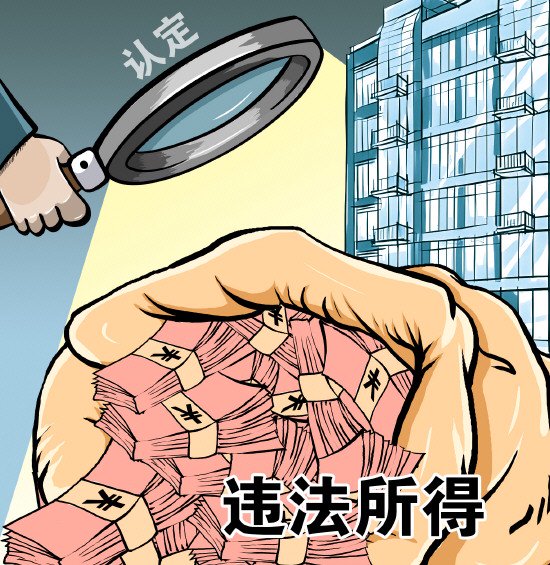
违法所得认定明确统一标准
Xin Lang Cai Jing· 2026-01-18 22:33
Core Points - The introduction of the "Measures for the Identification of Illegal Gains in Market Supervision and Administration Penalty Cases" aims to standardize the recognition of illegal gains and unify enforcement standards in market regulation [1][2] - The Measures consist of 17 articles that clarify the basic principles, calculation rules, and handling of difficult issues related to the identification of illegal gains in the market supervision field [1] Summary by Sections - **Principles and Guidelines**: The Measures adhere to the principle of "prohibiting unlawful gains" and the principle of proportionality in penalties, ensuring strict enforcement of administrative penalty laws while safeguarding the legal rights of the parties involved [1] - **Definition of Illegal Gains**: Illegal gains are defined as the funds obtained from unlawful activities, with provisions allowing for the deduction of necessary legal expenses directly used in production and business activities [1] - **Handling Difficult Issues**: The Measures address complex issues such as whether to confiscate illegal gains when no administrative penalty is imposed and how to handle cases where illegal gains cannot be clearly identified [1] - **Specific Provisions for Violations**: Special regulations are established for calculating illegal gains related to price violations, providing facilitation for unlawful activities, and pyramid schemes that involve deceptive entry fees [1]
市场监管领域违法所得认定新规出台
Xin Lang Cai Jing· 2026-01-16 03:48
Core Viewpoint - The newly introduced "Administrative Penalty Case Illegal Gains Recognition Measures" aims to standardize the recognition of illegal gains in market regulation, effective from March 20, 2026, promoting a law-based business environment [1][2] Group 1 - The measures establish the principle of deducting legitimate necessary expenses and directly related taxes when recognizing illegal gains, reflecting the principle of "prohibiting unlawful benefits" [2] - The approach ensures that individuals are restored to their pre-violation profit status, aligning with the principle of proportionality in penalties [2] - For serious violations in sectors like food and pharmaceuticals that endanger public health and safety, severe penalties such as high fines, license revocation, and professional bans will be enforced [2]