逆温层

Search documents
专家解读近期冻雨天气:形成机制特殊 需重点做好防滑防御
Ren Min Wang· 2026-01-23 10:32
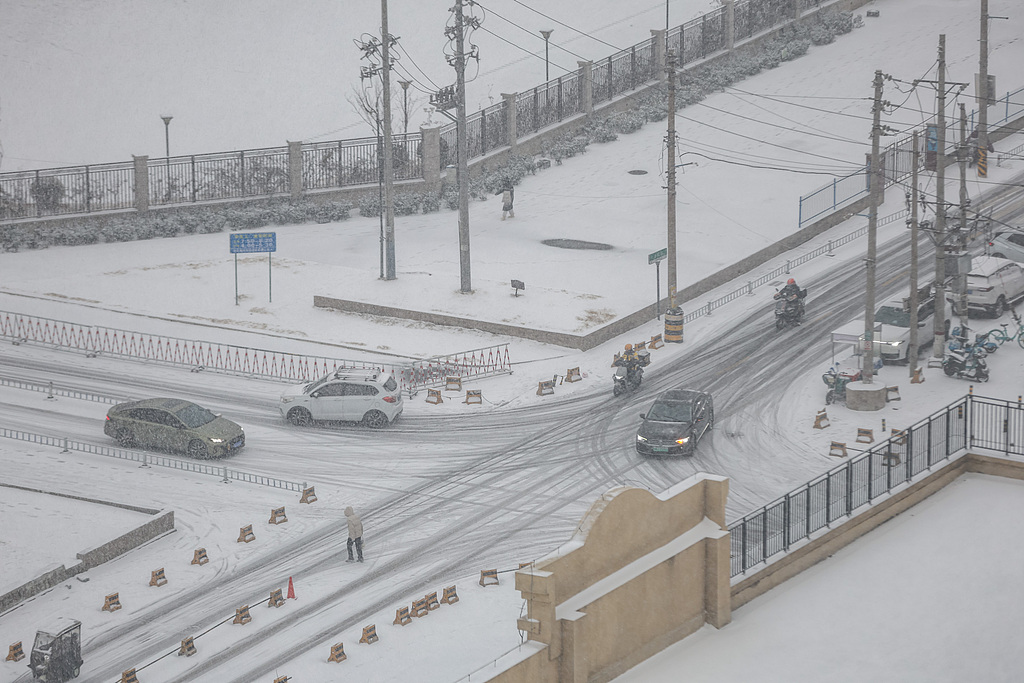
Group 1 - The core viewpoint of the article is that freezing rain is a hazardous weather phenomenon with a unique formation mechanism that poses significant risks to transportation, power supply, and public safety [1][2][5] Group 2 - Freezing rain occurs when supercooled water droplets in the atmosphere freeze upon contact with surfaces below 0°C, leading to ice formation that can create hazardous conditions such as icy roads and downed power lines [2][3] - The formation of freezing rain involves a complex process transitioning from solid to liquid to supercooled liquid and then to solid upon contact, which is different from regular rain and snow [3] - The article emphasizes the importance of public safety measures during freezing rain events, including reducing unnecessary travel, wearing non-slip shoes, and staying informed about weather warnings [4]
强劲寒潮来袭,“幕后推手”是西伯利亚强冷气团
Ke Ji Ri Bao· 2026-01-20 08:25
Core Viewpoint - A significant cold wave is affecting a large part of China, bringing extreme low temperatures, rain, snow, and ice, with the China Meteorological Administration issuing multiple weather warnings and emergency responses [1][2]. Group 1: Weather Impact - The cold wave has led to a drastic drop in temperatures, particularly in southern regions, with some areas experiencing freezing rain [1]. - The cold air mass from Siberia is responsible for this cold wave, which is characterized by a broad impact area, prolonged duration, and significant temperature drops [1][2]. - The central and eastern parts of China will experience extensive rain and snow, with specific regions like Hubei, Anhui, Jiangxi, Hunan, and Guizhou facing freezing rain lasting 2 to 3 days, accumulating between 5 to 10 millimeters [2]. Group 2: Mechanism of Freezing Rain - The formation of freezing rain is linked to a temperature inversion where warm air exists above cold air, causing ice crystals to melt into supercooled water droplets that freeze upon contact with surfaces [2]. - Many affected areas have low cloud layers, resulting in freezing rain primarily from supercooled droplets rather than ice crystals [2]. Group 3: Risks and Precautions - The combination of low temperatures and freezing rain poses risks such as road icing, damage to electrical and communication infrastructure, and agricultural harm [3]. - Public safety measures are advised, including precautions against slipping and freezing, as well as ensuring proper warmth during outdoor activities [3].
寒潮为何带来冻雨?专家详解入冬最强雨雪冰冻天气
Yang Shi Wang· 2026-01-19 23:10
Core Viewpoint - A significant cold wave is affecting most parts of China, bringing widespread low temperatures, rain, snow, and ice, with severe impacts particularly in southern regions [1][3][4] Group 1: Weather Impact - The cold wave began on January 17, with a drastic drop in temperatures, especially in southern regions like Hunan and Guizhou, which experienced freezing rain [1][3] - The Central Meteorological Administration issued multiple weather warnings, including a yellow alert for cold waves, freezing, and blizzards on January 18 [3] - The cold air system, originating from Siberia, is spreading southward, affecting a large area with significant temperature drops and prolonged cold conditions [3][4] Group 2: Rain and Snow Conditions - A complex precipitation pattern is expected, with rain, snow, and freezing rain occurring in various regions, particularly from the Qinling Mountains to the Huai River [4] - Areas such as Hubei, Anhui, Jiangxi, Hunan, and Guizhou are forecasted to experience significant freezing rain, with accumulations of 5 to 10 millimeters [4] Group 3: Future Weather Outlook - The rain and snow are expected to weaken between January 20 and 21, but low temperatures will persist until around January 23, when a noticeable warming trend is anticipated [5] - After January 23, temperatures in southern regions may return to or exceed normal levels for this time of year, alleviating the severe cold conditions [5] Group 4: Public Safety and Preparedness - Authorities are advising the public to be cautious of potential secondary risks from the cold wave, including icy roads, damage to electrical and communication infrastructure, and agricultural frost [5] - The China Meteorological Administration is coordinating with transportation and energy departments to ensure safety and manage increased heating demands due to the cold [5]