通胀陷阱

Search documents
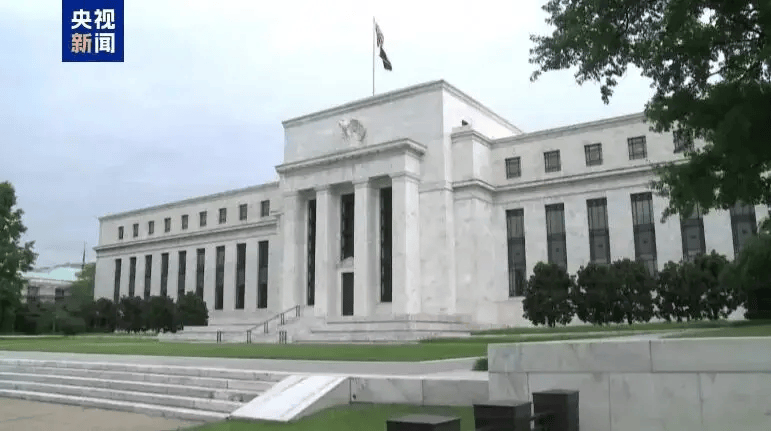
史无前例!多国央行齐力支持鲍威尔,美联储独立性为何备受关注?
Sou Hu Cai Jing· 2026-01-15 01:39
Core Viewpoint - The independence of the Federal Reserve (Fed) is crucial for maintaining the stability of the global financial system and the value of the US dollar, which has become a global reserve currency [1][2][6]. Group 1: Importance of Fed Independence - The Fed's monetary policy has a significant spillover effect globally, influencing capital flows, trade settlements, and asset pricing [2][4]. - If the Fed loses its independence and becomes a tool for short-term political goals, it could lead to catastrophic chaos in global financial markets [2][4]. - Central bank independence is a core principle of modern market economies, essential for price stability; otherwise, central banks risk becoming instruments of fiscal debt, leading to monetary or debt crises [4][6]. Group 2: Consequences of Political Interference - Historical evidence shows that politically influenced central banks often fall into "inflation traps," as political figures may push for loose monetary policies for short-term gains, risking long-term inflation [11][13]. - The Fed's design aims to balance political cycles and economic needs, with long terms for board members and self-funding mechanisms to avoid reliance on Congress [13][15]. - If the Fed is manipulated by political forces, it could undermine the trust in the dollar, leading to a sell-off of US debt and accelerating the "de-dollarization" process [15][16]. Group 3: Current Economic Context - The current fragile global economic recovery and the US economy's sensitivity to inflation and growth challenges highlight the need for the Fed to maintain its independence [7][9]. - The Fed's recent Beige Book indicates a slight improvement in economic activity across most regions, suggesting effective past policies [13]. - The pressure from the Trump administration to influence the Fed's decisions reflects a broader concern about the balance between political influence and economic stability [16].

贸易战会如何收场?
集思录· 2025-04-09 14:17
Group 1 - The article discusses the ongoing trade war between China and the US, suggesting that both sides are preparing for a prolonged conflict, with neither willing to back down in the short term [1][4]. - It highlights the potential for a temporary peak in tensions, followed by a return to negotiations where both parties may agree to reduce tariffs, with China possibly making larger concessions [1][3]. - The article emphasizes the internal factors that will determine the outcome of the trade war, such as the need for China to reform and open more sectors to private enterprises, and the importance of increasing labor income [2][3]. Group 2 - The article points out that the trade war may lead to different economic challenges for China and the US, with China facing overcapacity and potential deflation, while the US may struggle with undercapacity and inflation [5][11]. - It mentions that China's average working hours are strictly regulated, which could help reduce overcapacity by limiting production [5]. - The article also notes that the US economy may undergo significant restructuring in the long term, with a potential decline in the dollar's dominance and a shift towards a multipolar world [3][12]. Group 3 - The article draws historical parallels, referencing Napoleon's continental blockade as a cautionary tale about the consequences of economic isolationism [9][10]. - It suggests that while a complete breakdown in trade between China and the US could occur, both countries would still find alternative trading partners, similar to Russia's situation with Europe [11][12]. - The article concludes that the trade war could lead to increased domestic pressures for reform within China, as external challenges often prompt internal changes [8].