
逢跌买入

Search documents
ARK Invest 上周五合计买入约 2150 万美元的 COIN、CRCL 和 BLSH 股票
Xin Lang Cai Jing· 2026-01-26 10:46
Core Viewpoint - ARK Invest has made a significant investment in Coinbase, Circle Internet, and Bullish, marking its first simultaneous purchase of these three companies since mid-December last year [1] Group 1: Investment Details - ARK Invest purchased approximately $21.5 million worth of stocks from Coinbase (COIN), Circle Internet (CRCL), and Bullish (BLSH) [1] - The breakdown of the purchases includes 129,400 shares of Circle (approximately $9.2 million), 42,200 shares of Coinbase (approximately $9.15 million), and 88,500 shares of Bullish (approximately $3.17 million) [1] - This investment strategy aligns with ARK's typical approach of "buying the dip," especially as Bitcoin experienced a weekly decline of nearly 6% [1]


【环球财经】市场担忧缓解 纽约股市三大股指21日明显反弹
Xin Hua Cai Jing· 2026-01-22 03:24
Market Performance - The New York stock market indices rose significantly, with the Dow Jones Industrial Average increasing by 588.64 points to close at 49,077.23, a gain of 1.21% [1] - The S&P 500 index rose by 78.76 points to 6,875.62, reflecting a 1.16% increase, while the Nasdaq Composite Index gained 270.50 points, closing at 23,224.82, up 1.18% [1] - All eleven sectors of the S&P 500 index experienced gains, with the energy sector leading at 2.38% and the utilities sector showing the smallest increase at 0.20% [1] Geopolitical Impact - President Trump stated at the World Economic Forum that the U.S. would not use force to acquire Greenland, which alleviated market concerns and led to increased buying activity [1] - The market's apprehension regarding the geopolitical tensions surrounding Greenland has diminished, contributing to a reversal of recent sell-offs [2] Investor Sentiment - Analysts noted that the broadening of the market's upward movement is a sign of market health, with expectations for continued corporate earnings growth across various sectors, including technology, finance, and industrials [2] - The unpredictability of Trump's actions has led to a shift in market perception, with investors no longer anticipating the implementation of previously announced measures [2] Construction Industry Data - The U.S. construction spending for September 2025 decreased by 0.6%, which was worse than the market expectation of -0.1% [3] - The National Association of Realtors reported a 9.3% decline in the pending home sales index for December 2025, indicating a significant drop from the previous month's revised figure [3]
所有历史趋势都不再有效!美股散户让华尔街投资者措手不及
美股IPO· 2025-08-06 23:07
Core Viewpoint - Retail investors are significantly influencing the market dynamics, challenging traditional investment logic and strategies of institutional investors, leading to a situation where historical trends are no longer reliable [2][6][7]. Group 1: Retail Investor Behavior - Retail investors have adopted a "buy the dip" strategy, which has disrupted the typical responses of institutional investors, causing them to hesitate in short-selling due to the strong buying power of retail investors [2][4]. - Data from Interactive Brokers indicates that retail investors' net stock purchases surged by 78% compared to the previous week, demonstrating their proactive approach even during market downturns [2][4]. - The recent market rebound, particularly on Monday, reflects the effectiveness of the retail investors' strategy, which has left institutional investors confused and unable to act as they traditionally would [3][4]. Group 2: Institutional Investor Challenges - Institutional investors are currently in a difficult position, as they missed optimal entry points during the market rebound in April and are now forced to chase the market [8]. - The high concentration of a few large tech stocks in the indices complicates the construction of a diversified investment portfolio for institutional investors [8]. - Historical experiences, such as the market's rapid rebound after the onset of the Russia-Ukraine conflict, have made institutional investors cautious and hesitant to act decisively [8]. Group 3: Market Outlook - Despite the strength of retail investors, there are concerns regarding the sustainability of the "buy the dip" strategy, especially in a high valuation environment and increasing economic uncertainty [10]. - The market is expected to enter a consolidation phase before potentially gaining momentum towards the end of the year, influenced by factors such as U.S. government spending plans [10]. - The ongoing competition between Wall Street and retail investors signifies that the evolving market dynamics will continue to challenge all participants [11].

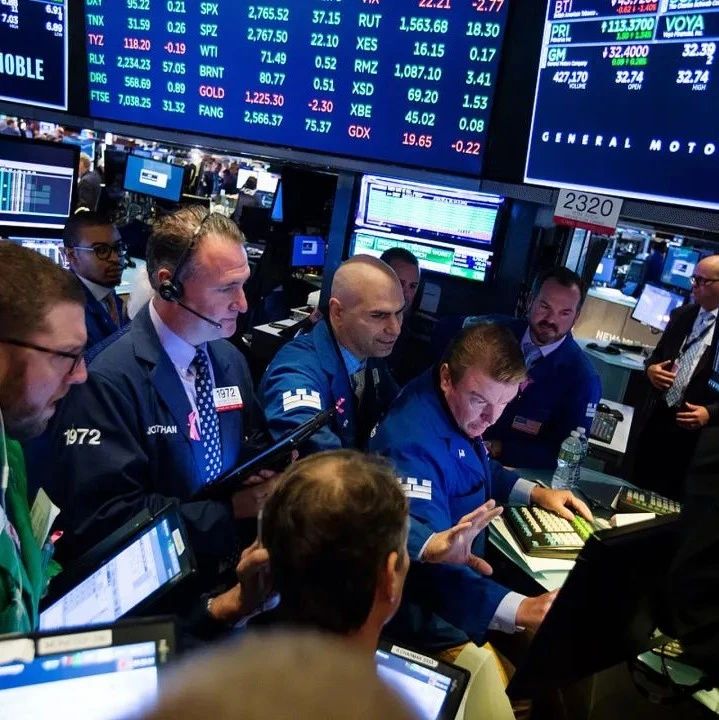
所有历史趋势都不再有效!美股散户让华尔街投资者措手不及
Hua Er Jie Jian Wen· 2025-08-06 13:27
Core Insights - Retail investors are challenging traditional Wall Street investment logic with unprecedented strategies, particularly through a "buy the dip" approach that has left institutional investors perplexed [1][2][3] - The recent strong rebound in the U.S. stock market, following a sell-off due to weak employment data and tariffs, highlights the influence of retail investors who quickly entered the market to capitalize on lower prices [1][2] - Historical market trends are no longer reliable indicators, as the current market dynamics defy traditional expectations of corrections and downturns [3][5] Retail Investor Behavior - Retail investors have demonstrated a strong inclination to buy during market dips, which has become evident in recent market movements [2][3] - Data from Interactive Brokers shows a 78% increase in net stock purchases by retail investors, indicating their proactive stance even before the market rebound [1][2] - This behavior has contributed to a sense of inevitability regarding market recovery, as retail investors continue to support prices despite high valuations [2][3] Institutional Investor Challenges - Institutional investors are facing difficulties in managing their portfolios due to the overwhelming buying power of retail investors, which has made traditional strategies less effective [5][6] - Many institutions missed optimal entry points during the market rebound in April, leading to a challenging situation where they are now "chasing" the market [5] - The concentration of a few large tech stocks in indices complicates the creation of diversified portfolios for institutional investors [5][6] Market Outlook - Despite the strength of retail investors, there are cautions regarding the sustainability of the "buy the dip" strategy, especially in a high-valuation environment with increasing economic uncertainty [6] - The market may enter a consolidation phase before potentially gaining momentum towards the end of the year, driven by factors such as U.S. government spending plans [6] - The ongoing competition between Wall Street and retail investors signifies a new reality that all market participants must navigate [6]