
酒店品牌战略升级

Search documents
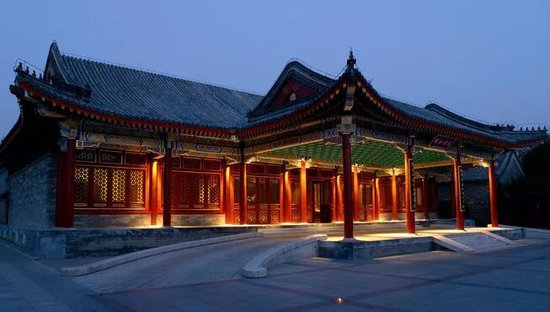
颐和安缦摘牌背后:千万级纠纷与豪门冷战|独家
Xin Lang Cai Jing· 2025-12-05 15:07
Core Viewpoint - The Aman at Summer Palace in Beijing will officially rebrand to Beijing Yihe Hotel by the end of December 2025, ending a 17-year partnership with the Aman Group, which has sparked discussions in the industry about the implications of this change [3][40]. Group 1: Rebranding and Market Position - The rebranding is attributed to a strategic upgrade based on market demand and cultural heritage, with the core service team and operational standards remaining stable while hardware facilities will be updated [6][43]. - The current pricing of the hotel, at 3,800 RMB for a basic room, is significantly lower than other luxury hotels in Beijing, such as the Mandarin Oriental, which charges three times more [8][44][45]. - Comparatively, other Aman properties in China maintain prices between 6,000 to 7,000 RMB, highlighting a stark contrast in market positioning [13][49]. Group 2: Financial Dynamics and Management Issues - The management fee structure for Aman properties typically includes a 5% basic management fee and a 1% marketing fee, totaling 6% of hotel revenue, which for the Aman at Summer Palace would amount to approximately 540,000 to 600,000 RMB annually based on estimated revenues [16][52]. - There have been issues with the timely payment of these management fees by the owners over the past six to seven years, leading to a prolonged conflict between the hotel owners and Aman [19][55]. - A new regional director's strict approach to financial management has prompted a reevaluation of the partnership, leading to the decision to rebrand [24][60]. Group 3: Future Implications and Market Trends - The loss of the Aman brand may result in a significant decrease in international clientele, as the brand is associated with a global membership network and booking system that attracts high-net-worth individuals [28][64]. - The rebranding could lead to a loss of pricing power and the unique appeal that the Aman brand provided, raising concerns about the hotel's ability to maintain high rates without the brand's backing [31][67]. - This transition reflects a broader trend in the Chinese hotel industry, where local owners are beginning to question the value of international luxury brands and are seeking to establish their own identities [33][68].

2025年10月亚洲(中国)酒店业发展报告
3 6 Ke· 2025-11-10 09:00
Group 1: Global Hotel Industry Trends - The tourism industry in Europe, the Middle East, and Africa is experiencing record growth, with Africa's tourism sector seeing a double-digit growth rate in the first half of the year, particularly in South Africa and Egypt [2][3] - Mino International Group plans to develop and manage 50 new hotels in Egypt in collaboration with Sunrise Resorts and Hotels, with the first phase including four flagship hotels [2] - Hilton Group announced its expansion into sub-Saharan Africa, with plans to triple its hotel count on the continent to over 160 hotels in the coming years [3] Group 2: Asia-Pacific Market Developments - The Asia-Pacific hotel industry experienced a performance surge during the "super golden week" holiday, with significant increases in occupancy rates and revenue per available room (RevPAR) in Japan [5][6] - Huazhu Group and Jinjiang Hotels reported a combined guest reception exceeding 23.5 million during the holiday, with Huazhu achieving a 36% year-on-year increase in guest numbers [6] Group 3: Hotel Group Executive Changes - Several hotel groups announced executive appointments, including Shangri-La Group appointing Xu Haochun as Chief Development Officer for China and Marriott International naming Gautam Bhandari as Chief Development Officer for the Asia-Pacific region [9][10] Group 4: Third Quarter Financial Reports - Among ten monitored hotel groups, only half reported year-on-year profit growth for Q3 2025, with Jinjiang Hotels achieving a net profit of approximately 375 million yuan, a 45.45% increase [12] - Major international hotel groups like Marriott, InterContinental, and Hyatt saw RevPAR growth of less than 1%, while Wyndham experienced a 5% decline [12][15] Group 5: Hotel Asset Transactions - In October, 46 hotel assets were listed for sale or auction, with nine hotels having auction prices exceeding 100 million yuan, but no hotels were sold during the month [16][17] Group 6: Hotel Openings and Signings in China - In October, 245 new hotels opened in China, a decrease from 293 in September, indicating a market adjustment post-holiday [18] - The luxury and high-end hotel segment saw significant new openings, including multiple projects from Hilton and Accor [19][20] Group 7: Luxury Hotel Rankings and Analysis - The luxury hotel sector is focusing on brand rejuvenation and consumer engagement, with brands like Rosewood and Shangri-La launching new initiatives to attract younger generations [24][25] - The ABN Index for luxury hotels showed a decline in most metrics except for media and new media indices, indicating a need for improved customer engagement strategies [31][32]


