酒店资产优化

Search documents
0元购成常态,酒店交易市场更热了!
Sou Hu Cai Jing· 2026-01-25 00:46
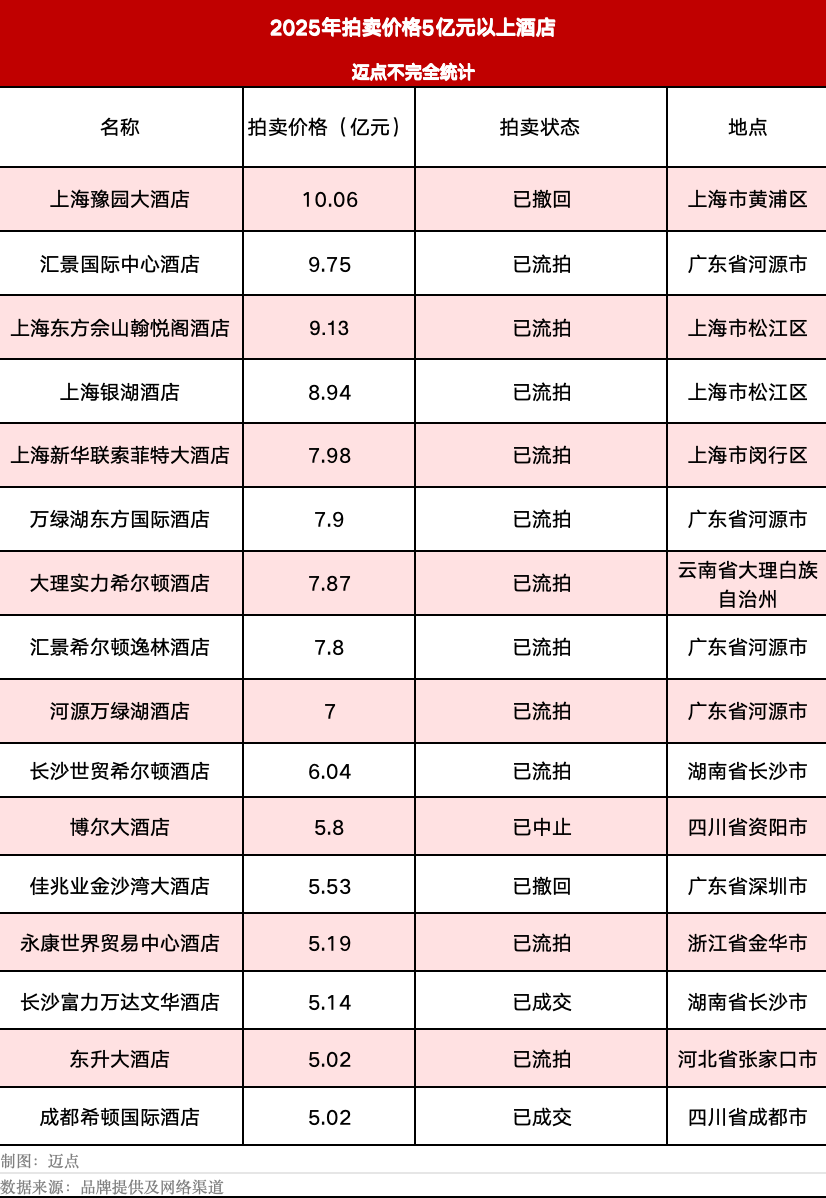
Core Insights - The hotel asset transaction market has seen significant activity from late 2025 into early 2026, highlighted by the bankruptcy restructuring of the JW Marriott Hotel in Hangzhou and a notable "zero yuan acquisition" by Beijing's state-owned enterprise [1][2] Group 1: Hotel Asset Changes - The hotel asset trading market has experienced a dichotomy, with a high volume of auctions and brand changes, yet a low transaction success rate, as evidenced by 764 auction projects totaling 75.2 billion yuan in 2025, but over 60% of high-value hotels failed to sell [2][3] - The majority of auctioned hotels are located in East and South China, with high-end brands like Hilton and Wanda facing challenges due to debt issues and high operational costs, leading to a trend of discounted sales [3][4] Group 2: Brand Changes - Since 2025, several well-known hotels have changed brands or terminated partnerships, primarily driven by high management fees and debt pressures, with local operators increasingly taking over previously branded hotels [5][6] - The trend of brand changes reflects a shift towards local self-management, as owners seek to reduce reliance on international brands and adapt to local market demands [6][9] Group 3: Underlying Issues - The surge in auctions and brand changes is largely due to high debt levels and ongoing losses, with many hotels becoming liabilities rather than assets, as seen in the case of the Andaz Hotel in Shanghai, which reported a negative net asset of 1.71 billion yuan and over 2.52 billion yuan in debt [8][10] - The mismatch between international brand standards and local market preferences has led to a decline in the appeal of international brands, as consumers increasingly favor local experiences and personalized services [9][10] Group 4: Industry Trends - The hotel industry is undergoing a significant transformation, moving away from blind faith in international brands towards a focus on brand-market fit, operational efficiency, and actual profitability [11][12] - The current competitive landscape emphasizes the importance of low debt, healthy cash flow, and the potential for asset transformation, as investors prioritize quality locations and strong operational capabilities [12][13] - The future of the hotel industry will hinge on the collaboration between brand selection, asset quality, and operational excellence, with a shift towards a more integrated approach to enhance value creation [13][14]

“0元购”成常态,酒店交易市场更热了
Xin Lang Cai Jing· 2026-01-23 05:36
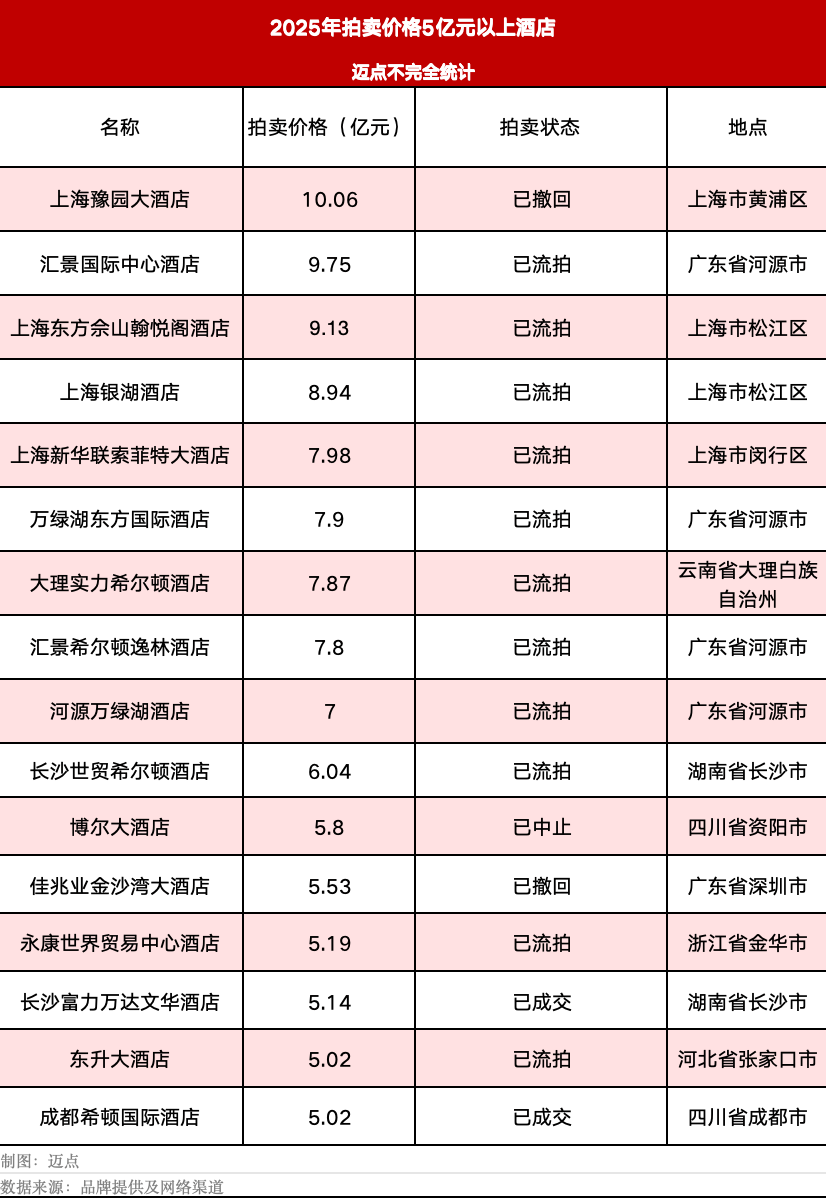
Core Insights - The hotel asset trading market has seen significant activity from late 2025 into early 2026, marked by notable transactions and brand changes, indicating a period of industry transformation [1][2] Group 1: Hotel Asset Transactions - The hotel asset trading market has experienced a "two extremes" scenario, with a high volume of auction projects and frequent brand changes, yet a low transaction success rate [2] - In 2025, there were 764 hotel auction projects totaling 752 billion, with 228 projects exceeding 1 billion, but over 60% of high-value hotels (over 5 billion) faced unsuccessful bids, resulting in a mere 12.5% transaction rate [2][3] - The majority of auctioned hotels are located in East and South China, with high-end brands like Hilton and Wanda facing challenges due to debt issues and high operational costs, leading to cautious investor behavior [3] Group 2: Brand Changes and Market Dynamics - Since 2025, several well-known hotels have announced brand changes or terminated partnerships, primarily involving international high-end brands [4][5] - The trend of brand changes is driven by high management fees, debt pressures, and strategic adjustments from hotel owners, with local operators increasingly taking over previously branded hotels [5][6] - Owners are focusing on core brands and simplifying non-core product lines, with some hotels opting for independent operations to balance brand effects and decision-making autonomy [6] Group 3: Underlying Industry Challenges - The surge in auctions and brand changes reflects the industry's struggle with high debt and ongoing losses, with many core assets becoming burdensome [7][8] - High-profile cases, such as the "0 yuan transfer" of the Andaz Hotel, illustrate that many hotels, despite their prime locations, are facing negative net assets and significant debt, leading to reduced valuations [8] - The mismatch between international brands and local market demands is causing a shift, as consumers increasingly prefer local experiences over traditional international offerings [9][10] Group 4: Future Trends and Strategic Shifts - The hotel industry is undergoing a "major reshuffle," with the diminishing allure of international brands and a focus on local market adaptability and operational efficiency [11] - The emphasis is shifting from merely having prime locations to ensuring low debt, healthy cash flow, and potential for asset improvement as key value indicators [11][12] - Investors are now prioritizing high-quality locations with low debt and strong operational capabilities, leading to a more rational asset allocation in the market [12] Group 5: Operational Excellence and Brand Synergy - The relationship between brand, asset, and operations is becoming increasingly interconnected, with effective operations being crucial for realizing brand value and asset appreciation [13] - The industry is expected to enter a new phase where hotel owners will select suitable brands based on asset characteristics and enhance synergy through refined operations [13][14] - The ongoing transformation in the hotel sector is a response to market demands, with a focus on service quality and profitability becoming paramount [14]