酒店轻资产模式

Search documents
第一批杀入印度的酒店,遭遇杀猪盘
虎嗅APP· 2026-01-23 13:53
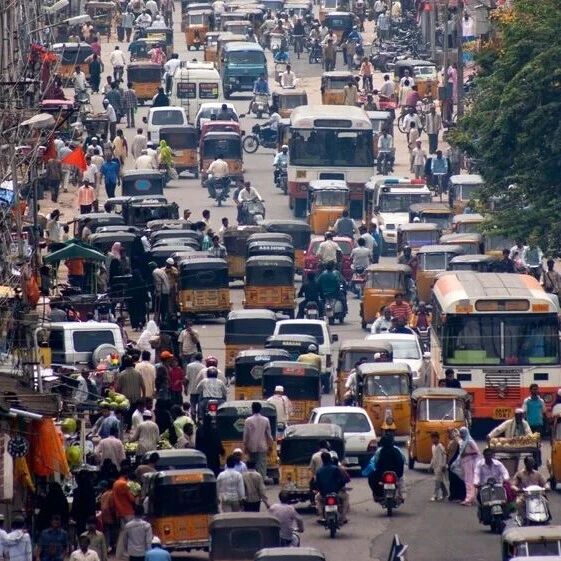
Core Viewpoint - The article discusses the challenges faced by international hotel groups in India, contrasting the optimistic growth projections with the harsh realities of operating in the market, highlighting the complexities and high transaction costs involved [4][14][56]. Group 1: Challenges in the Indian Hotel Market - International hotel groups face significant operational challenges in India, including legal disputes and high transaction costs, which can lead to prolonged legal battles and financial losses [9][21][32]. - A recent case illustrates the difficulties, where a hotel project in Bangalore faced contract termination and legal issues, resulting in a lengthy arbitration process that could last until 2028 [10][12][21]. - The article notes that the relationship dynamics in India are different from other markets, with local owners often holding more power than international brands, leading to potential exploitation [20][24]. Group 2: Growth Projections vs. Reality - Despite the operational challenges, major hotel groups like Marriott and Hilton are aggressively expanding in India, with ambitious plans to increase room counts significantly over the next few years [15][16][17]. - The article highlights a disconnect between the optimistic growth narratives presented by hotel executives and the actual difficulties on the ground, suggesting that the market may not be as lucrative as it appears [17][44]. - A report indicates that disputes related to hotel management contracts have surged by 37% in the past two years, indicating a growing trend of legal issues in the sector [21]. Group 3: Comparison with the Chinese Market - The article contrasts the Indian market with China, noting that while India is seen as a growth opportunity, the operational efficiency and market stability in China make it a more attractive destination for hotel investments [47][55]. - In China, the average time from signing a hotel contract to opening is significantly shorter (18-24 months) compared to India (36-60 months), highlighting the bureaucratic hurdles in India [47][51]. - The consumer market in India is described as polarized, with a lack of a substantial middle class to support mid-range hotel brands, unlike in China where a robust business travel segment exists [53][55].


中国人的开房习惯,变了
虎嗅APP· 2025-12-27 02:45
Core Insights - The article highlights the shift in consumer preferences towards social and experiential accommodations, with the "hotel+" trend emerging as a new wave in the industry [5][6]. Financial Performance - In Q3 2025, the total revenue of 51 listed cultural tourism companies in A-shares reached approximately 839.93 billion yuan, with a net profit of about 226 billion yuan, while Ctrip alone generated a revenue of 183.38 billion yuan and a net profit of 198.9 billion yuan, capturing 21% of the industry's revenue and 88% of its profits [5][6]. Industry Dynamics - The Chinese hotel industry is experiencing a structural reshuffle characterized by "total growth and structural differentiation," driven by market concentration among leading hotel groups and changing consumer preferences [6][8]. - As of December 31, 2024, the total number of accommodation facilities in China reached 570,000, with a total room capacity of 19.278 million, marking historical highs for both metrics [8]. Leading Hotel Groups - Jinjiang Group, as the largest hotel brand in China, has expanded its portfolio to 43 brands through acquisitions, with a high-end hotel room share of 69.79% and over 14,000 hotels globally [9]. - Huazhu has expanded its brand matrix to over 30 brands, with a total of 12,702 operating hotels and a significant contribution from its franchise business, which accounts for approximately 64.1% of its operating profit [11]. - Shoulv Home has 29 brands and over 7,500 hotels globally, with a franchise business share increasing from 89% in 2024 to 92.5% in Q3 2025, indicating a strong shift towards a light asset model [14][16]. Market Trends - The mid-range hotel segment is becoming a key driver of industry growth, with the chain rate for mid-range hotels increasing from 21.42% in 2018 to 55.33% in 2024 [18][22]. - The demand for high-end and mid-range hotels is rising, with the chain rate for high-end hotels slightly increasing to 55.33% [20]. Consumer Behavior - There is a notable shift in consumer preferences from traditional accommodation to lifestyle experiences, with younger generations favoring unique hotel designs and experiences over conventional services [26]. - The search interest for experiential stays, such as cultural and family-oriented activities, has surged, with a 50% increase in searches for cultural experience trips during the Dragon Boat Festival [27]. Challenges in the Industry - Despite growth in the number of hotels and rooms, the industry faces challenges such as homogenization and a disconnect between scale expansion and value creation [30]. - The reliance on traditional revenue streams and high customer acquisition costs through online travel agencies (OTAs) are significant issues, with many hotels still heavily dependent on room and dining revenues [31][33]. - The industry is experiencing a talent shortage, particularly in lower-tier cities, leading to inconsistent service quality across different hotel types [33].