金饰产业价值跃迁

Search documents
金饰金价一路走高,交易遇冷!“自戴需求”渐成主流
Zheng Quan Shi Bao Wang· 2025-11-13 09:27
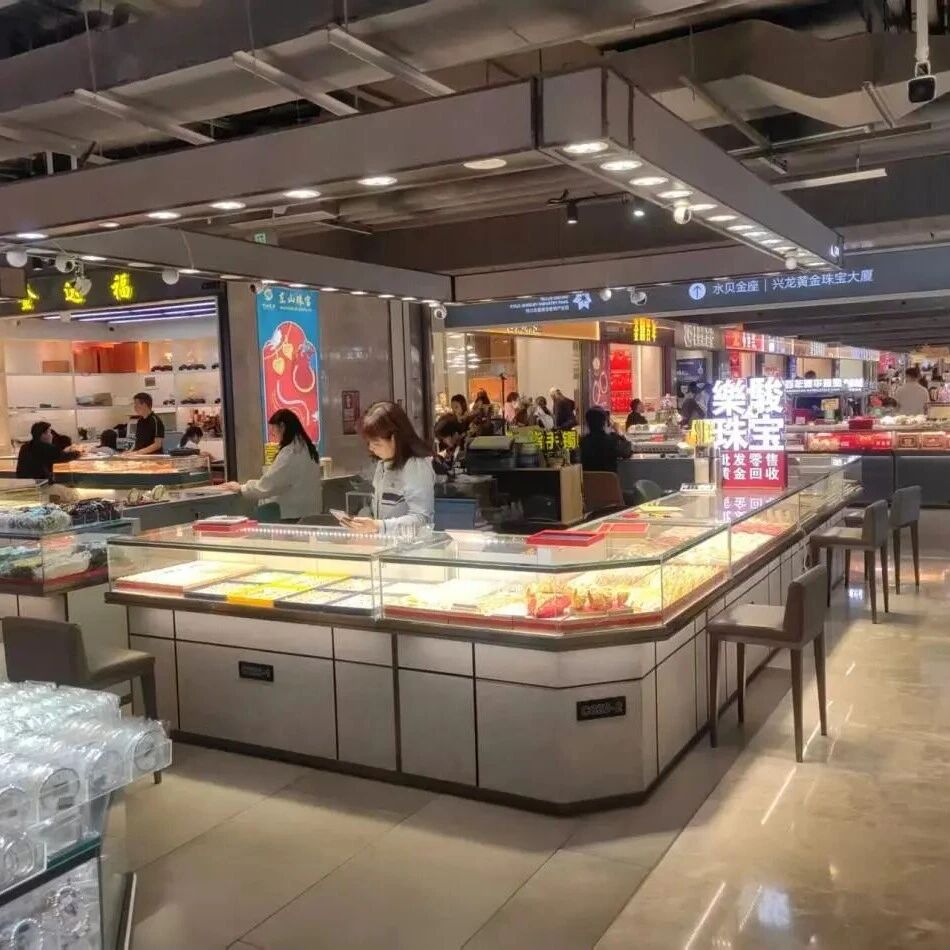
Group 1 - International gold prices have resumed an upward trend, leading to an increase in gold jewelry prices, with domestic brand prices generally exceeding 1300 yuan per gram [1][3] - The sales of finely designed and low-weight gold jewelry have remained stable, indicating a shift in market dynamics where "self-wearing demand" has surpassed wedding-related demand, now accounting for 37% of gold jewelry sales [4] - Brand premium is evident in the pricing strategies of various gold jewelry brands, with established brands maintaining high prices to uphold their premium image, while some brands leverage supply chain advantages to adopt lower pricing strategies [3][4] Group 2 - The gold jewelry market is experiencing a dual pricing system, with some merchants quoting pre-tax prices and others providing post-tax prices, resulting in historical high levels around 1106 yuan per gram [3] - High gold prices combined with rising processing fees have increased the burden on consumers, with processing fees for some premium jewelry styles nearing 10% of the total price [4] - The market is expected to transition from a focus on scale to one emphasizing innovation, as high gold prices drive demand for lightweight, high-value jewelry products [4]



金饰金价一路走高,交易遇冷,“自戴需求”渐成主流
Zheng Quan Shi Bao· 2025-11-13 08:58
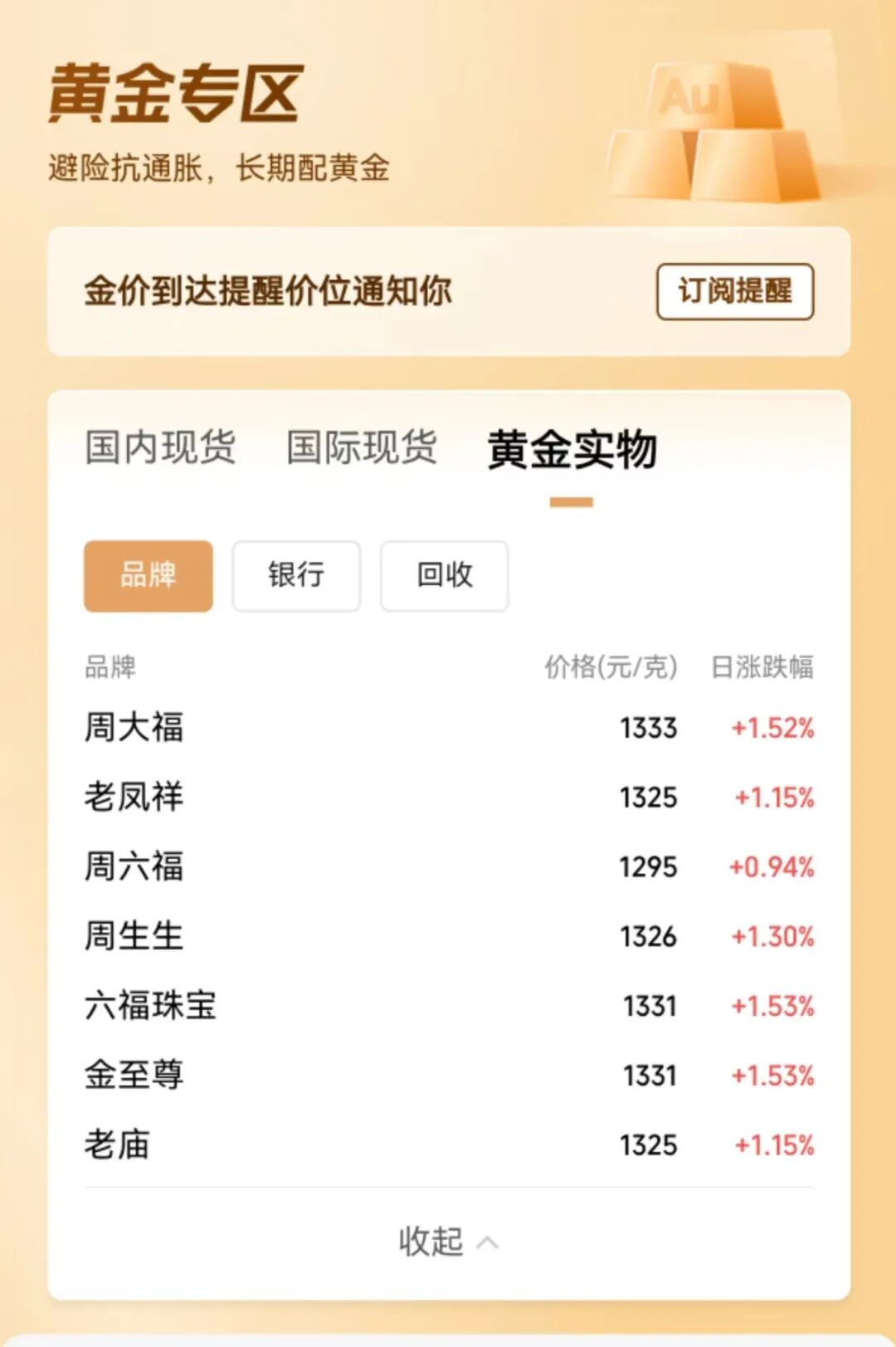
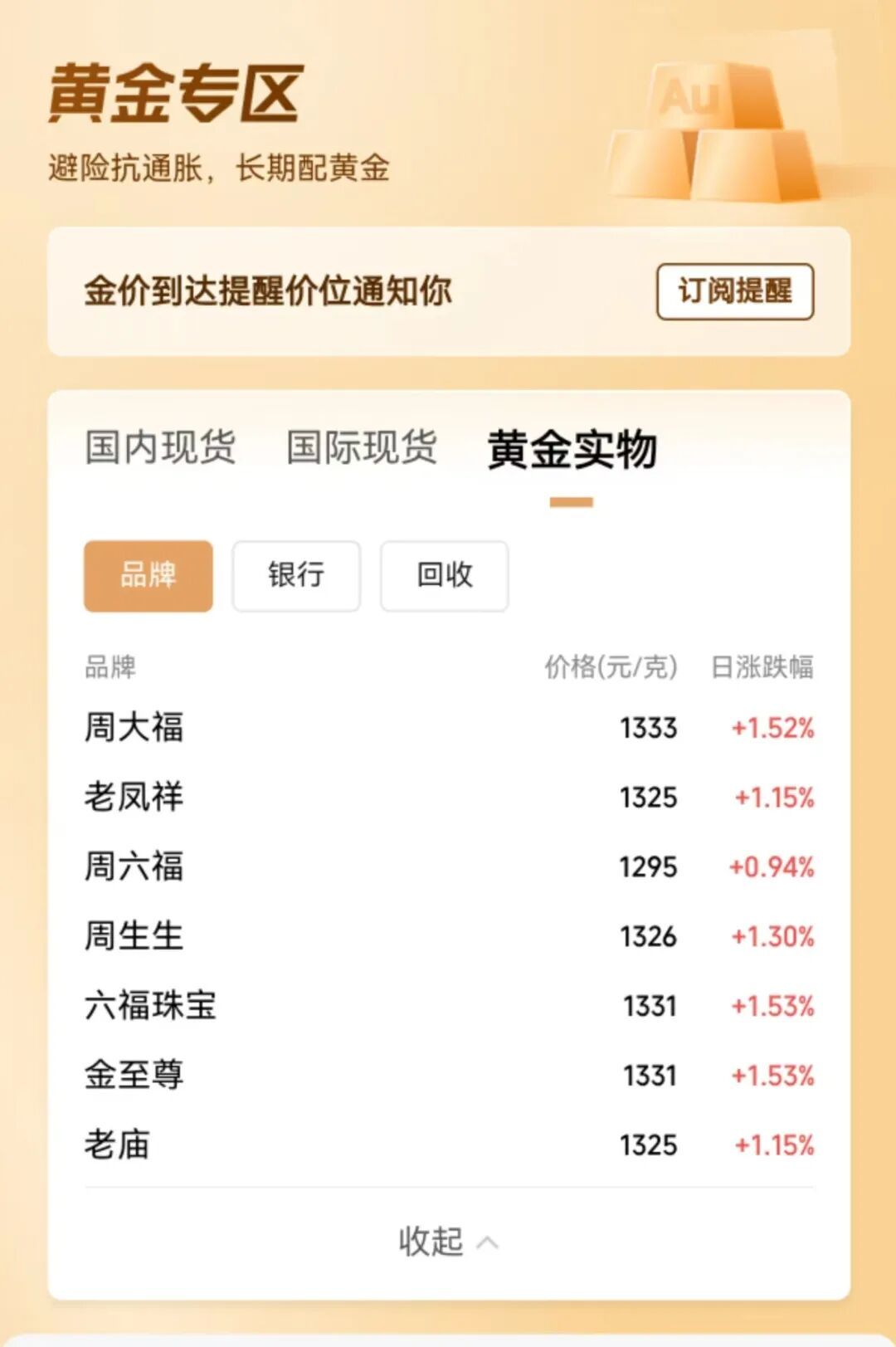
Core Viewpoint - International gold prices have resumed an upward trend, leading to a rise in gold jewelry prices, with a significant shift in market dynamics towards "self-wear demand" surpassing wedding-related purchases [1][5]. Group 1: Price Trends - Domestic brand gold jewelry prices have generally exceeded 1300 RMB per gram, with Chow Tai Fook's prices rising from 1313 RMB to 1333 RMB within two days [1]. - In the Shenzhen Shui Bei gold jewelry market, prices have reached approximately 1106 RMB per gram, marking a historical high, although international gold prices have not yet returned to their peak [3]. Group 2: Market Dynamics - The differentiation in gold jewelry pricing among brands is influenced by brand positioning and inventory strategies, with established jewelers maintaining high prices to uphold their premium image, while some brands leverage supply chain advantages for lower pricing [3]. - The market has seen a decline in gold jewelry sales volume by nearly 30% compared to October, with consumer sentiment cooling due to recent tax policy changes leading to price increases [3][5]. Group 3: Consumer Behavior - "Self-wear demand" now accounts for 37% of gold jewelry sales, indicating a fundamental shift in market driving logic away from traditional wedding purchases [5]. - Consumers are increasingly opting to exchange old gold jewelry for new pieces to manage costs, while demand for well-designed, low-weight gold jewelry remains stable despite rising prices [3][5]. Group 4: Cost Structure - Rising gold prices and increased processing fees have heightened the financial burden on consumers, with some brands seeing processing fees account for nearly 10% of the total price [5]. - The shift towards higher-value, lightweight gold jewelry products suggests a transition in the industry from a focus on scale to one emphasizing innovation and value creation [5].
实探丨金饰金价一路走高,交易遇冷!“自戴需求”渐成主流
证券时报· 2025-11-13 07:52
Core Viewpoint - The international gold price has resumed its upward trend, leading to a rise in gold jewelry prices, with a significant shift in the market dynamics where "self-wearing demand" has surpassed wedding-related demand [1][8]. Price Trends - Domestic brand gold jewelry prices have generally exceeded 1300 RMB per gram, with Chow Tai Fook's price rising from 1313 RMB to 1333 RMB within two days [1]. - In the Shenzhen Shui Bei gold jewelry market, prices have reached around 1106 RMB per gram, marking a historical high, although international gold prices have not yet returned to their peak [5]. Market Dynamics - The differentiation in brand pricing is influenced by brand positioning and inventory strategies, with established jewelers maintaining high prices to uphold their premium image, while some brands adopt lower pricing strategies due to supply chain advantages [5]. - The market has seen a decline in gold jewelry sales volume, with a nearly 30% decrease compared to the same period in October [5]. Consumer Behavior - The rising gold prices and increased processing fees have burdened consumers, with some brands' processing fees nearing 10% of the total price [7]. - Despite the high prices, lightweight and high-value gold jewelry products continue to attract strong market interest, indicating a shift from a focus on scale to innovation within the gold jewelry industry [7]. Demand Shift - Research indicates that "self-wearing demand" now accounts for 37% of gold jewelry sales, significantly surpassing wedding-related purchases, highlighting a fundamental change in market driving logic [8]. - Industry experts suggest that upstream manufacturers should shift their perspective from seller to buyer, enhancing product storytelling and connecting emotionally with consumers [9].