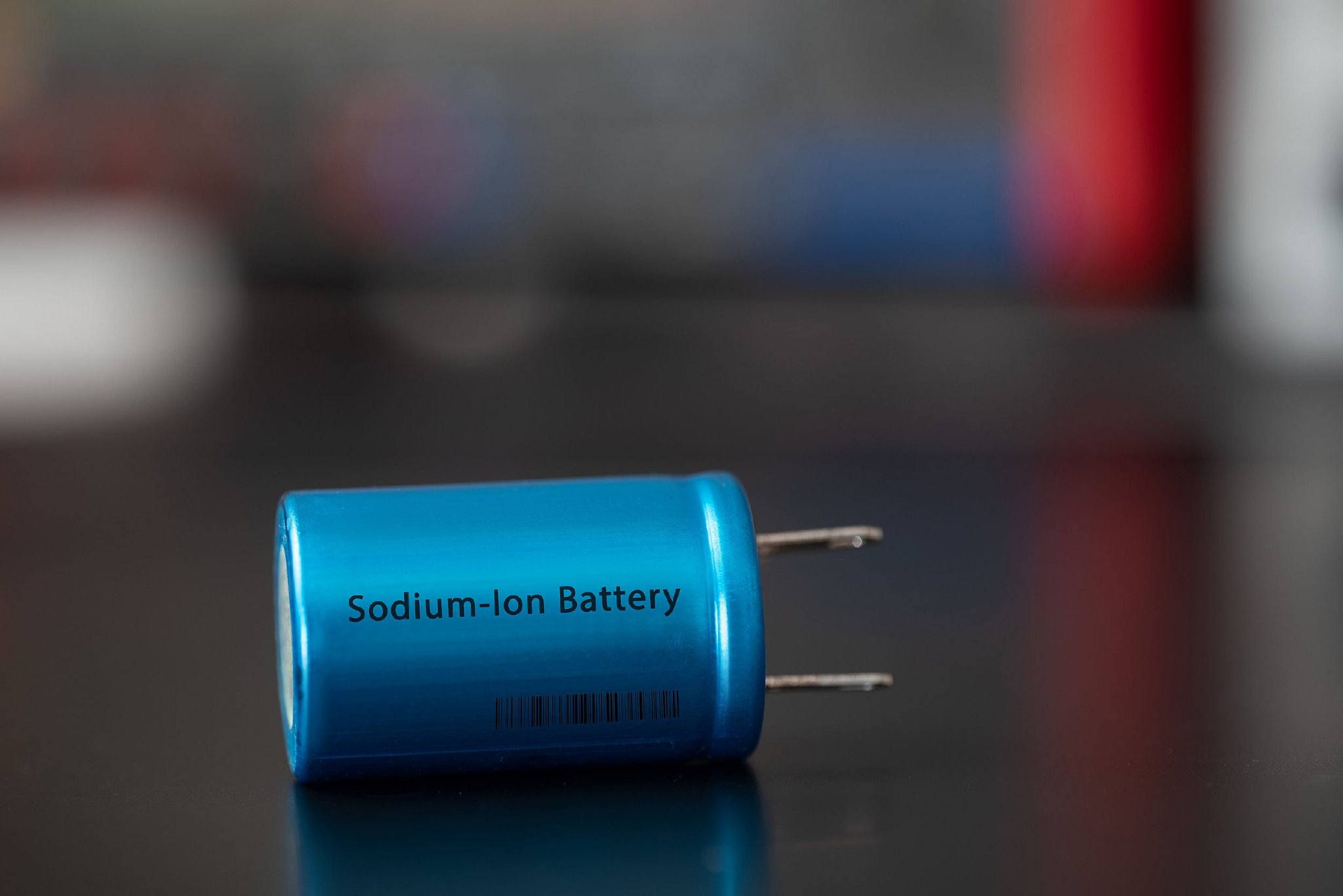
钠离子电池商业化

Search documents
重磅消息!宁德时代发布行业首款实现量产钠离子电池,-40℃极寒仍可保持90%电量【附钠离子电池行业市场分析】
Qian Zhan Wang· 2026-01-23 07:26
Core Viewpoint - CATL has launched the first mass-produced sodium-ion battery for light commercial vehicles, showcasing significant advancements in low-temperature performance and cycle life, addressing key industry challenges in cold climates [2][5]. Group 1: Product Launch and Features - CATL introduced the 45kWh sodium-ion battery pack with an energy density of 175Wh/kg and a cycle life exceeding 10,000 times, achieving certification under the new national standard GB 38031-2025 [2]. - The battery maintains 90% usable capacity at -40°C and can be charged immediately at -30°C, solving winter range and charging issues for commercial vehicles in northern regions [2]. - Mass production is set to begin in July 2026, with plans to introduce both charging and battery swapping modes [2]. Group 2: Market Potential and Competitive Landscape - Sodium-ion batteries are seen as a potential alternative to lithium-ion batteries due to their lower cost and resource advantages, with sodium being significantly more abundant and cheaper to extract [5]. - The technology has attracted substantial investment and research resources, with major companies like Guoxuan High-Tech, BYD, AVIC Lithium Battery, and Times New Energy actively developing sodium-ion battery solutions [5][6]. - Despite the advantages, the commercial development of sodium-ion batteries is still in its early stages, with actual shipments in China reaching only 0.7GWh in 2023, indicating a need for further exploration of commercialization pathways [6]. Group 3: Future Outlook - The sodium-ion battery industry is transitioning from sample validation to commercial application, with expectations that by 2026, sodium batteries will enter a phase of large-scale application, significantly reducing lifecycle costs for users [9]. - As production scales up and energy density improves, costs are projected to decrease by half within the next two to three years, paving the way for sustainable commercialization [9].


继巴斯夫、万华后,中国石化也加入这个新材料赛道
Xin Lang Cai Jing· 2025-11-18 06:47
Core Viewpoint - Sinopec and LG Chem have signed an agreement to jointly develop key materials for sodium-ion batteries, targeting the energy storage systems and low-speed electric vehicle markets in China and globally, aiming to accelerate commercialization and expand into new energy and high-value materials sectors [1] Industry Overview - Sodium-ion batteries offer advantages over lithium-ion batteries in terms of resources, cost, safety, and charging speed, with better performance in low-temperature environments compared to lithium iron phosphate batteries [3] - The sodium-ion battery market in China is projected to grow from 10 GWh in 2025 to 292 GWh by 2034, with an average annual growth rate of approximately 45% [6] - Major companies involved in sodium-ion battery production include CATL, BYD, and others, with significant developments in battery technology and applications [4][6] Key Materials and Technologies - The main cathode materials for sodium-ion batteries include layered oxides, polyanionic compounds, and Prussian blue, each with distinct characteristics and commercialization speeds [3] - Hard carbon is the mainstream choice for anode materials due to its high sodium storage capacity and excellent cycling stability [3] - The electrolyte composition is similar to lithium-ion batteries, primarily using sodium hexafluorophosphate, with key players including Tianqi Materials and others [4] Market Developments - The first large-capacity sodium-ion battery energy storage station in China has commenced operations, showcasing the technology's application potential [6] - CATL's "Sodium New Battery" brand has achieved an energy density of 175 Wh/kg, comparable to lithium iron phosphate batteries, with a cycle life exceeding 10,000 cycles [6] - Wanhua Chemical has entered the sodium-ion battery sector, developing high-capacity cathode materials and establishing strategic partnerships for further advancements [5] Challenges and Future Outlook - The commercialization of sodium-ion batteries is at a critical juncture, with technological advancements, cost control, and policy support being key factors for success [7] - Despite the theoretical cost advantage of sodium-ion batteries being around 20% lower than lithium-ion batteries, current prices exceed 0.5 yuan/Wh, with expectations to drop to 0.3 yuan/Wh upon achieving scale [8]


半年出货量增长259%,钠电池离真正的商业化还有多远?
Xin Lang Cai Jing· 2025-09-28 10:48
Core Insights - The sodium-ion battery industry is experiencing a shift from initial high expectations to a more realistic focus on value creation, following a period of price volatility in lithium-ion batteries [1] - In the first half of this year, global sodium-ion battery shipments reached 3.7 GWh, marking a year-on-year growth rate of 259% [1] Industry Overview - Sodium-ion batteries operate similarly to lithium-ion batteries, relying on the movement of sodium ions between the anode and cathode [2] - Compared to lithium-ion batteries, sodium-ion batteries offer advantages such as abundant resource availability, lower costs, higher safety, and better low-temperature performance, although they have lower energy density and shorter cycle life [4] Development Stages - Sodium-ion battery development in China has progressed through several stages over the past 15 years, with the current phase being critical for commercialization, expected to occur around 2026 [4] - The initial phase focused on material development, followed by the prototyping of battery samples [4] Market Dynamics - The surge in lithium prices around 2021 led to heightened expectations for sodium-ion batteries as a cost-effective alternative, but recent declines in lithium prices have tempered these expectations [5] - Currently, the cost of sodium-ion batteries is approximately 0.5 CNY/Wh, while lithium batteries range from 0.3 to 0.4 CNY/Wh [5] Future Projections - It is anticipated that sodium-ion battery costs could be reduced by about 50% in the next two to three years [6] - The primary application markets for sodium-ion batteries are expected to be in commercial vehicles, such as heavy-duty trucks and engineering machinery, rather than large-scale energy storage [6] Technological Advancements - The development of polyanion sodium-ion batteries is gaining attention due to their stable structure and high safety, making them suitable for various applications [7] - Collaboration between different components, such as low/high-temperature electrolytes and compatible anodes, is essential for optimizing performance [7] Industry Initiatives - Major battery manufacturers, including CATL, are increasing their investments in sodium-ion technology, with CATL's sodium-ion battery achieving an energy density of 175 Wh/kg [8][9] - CATL plans to begin mass production of sodium-ion batteries in line with customer demand next year [9] Regulatory Support - The Ministry of Industry and Information Technology (MIIT) is committed to promoting the high-quality development of the sodium-ion battery industry through strategic planning and resource allocation [11] - Efforts are underway to enhance the standardization of sodium-ion batteries, with several national standards already published and more in development [12]