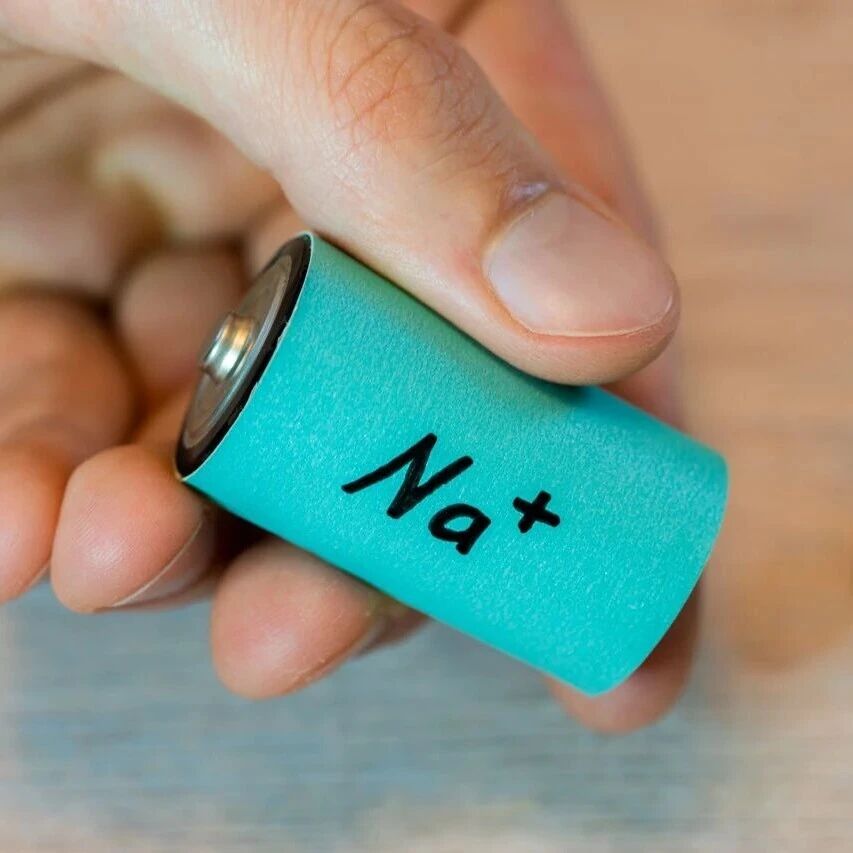
钠锂融合

Search documents
纳电商业化加速
Jing Ji Guan Cha Wang· 2026-01-24 07:23
Core Insights - CATL has launched a new series of sodium-ion batteries, including the industry's first mass-produced sodium-ion battery for low-temperature applications, achieving an energy density of 175Wh/kg and operational capability at -30°C [2] - Jiangsu Zhongna Energy has commenced production at its 10,000-ton sodium iron sulfate cathode material base, reducing the cost of sodium-ion battery cells to approximately 0.45 yuan/Wh, marking a significant step towards commercial viability [4][5] - The sodium-ion battery industry is transitioning from concept validation to large-scale delivery, with projections indicating a production increase to 3.45GWh by 2025, nearly doubling from 2024 [3] Industry Developments - Major international players, including LG Energy, are planning to establish pilot production lines for sodium-ion batteries in Nanjing, leveraging China's mature supply chain to accelerate commercialization [3] - The sodium-ion battery sector is gaining traction independent of lithium price fluctuations, with recent industry activities indicating a robust growth trajectory [3][6] - The cost of sodium-ion battery cells is expected to decrease further, potentially reaching below 0.4 yuan/Wh by 2026, enhancing their competitiveness against lithium-ion batteries [5] Market Opportunities - Sodium-ion batteries are finding unique applications in extreme temperature environments, such as commercial vehicles in cold regions and high-temperature conditions, where they outperform traditional lead-acid batteries [12][14] - The batteries are also being considered for two-wheeler battery swap markets, where their longer cycle life can reduce operational costs compared to lead-acid batteries [16] - In the energy storage sector, sodium-ion batteries are moving towards system integration, with hybrid solutions combining lithium and sodium technologies to enhance efficiency [17][18] Challenges and Solutions - Despite cost reductions, manufacturing challenges persist, particularly in maintaining material consistency during large-scale production [7][9] - The mismatch between lithium-ion production lines and sodium-ion battery requirements poses operational hurdles, necessitating specialized production environments [9][10] - The industry is shifting towards a focus on unique market segments where sodium-ion batteries can excel, rather than competing directly with lithium-ion batteries in mainstream applications [21][22] Future Outlook - The sodium-ion battery market is expected to evolve with increased participation from major players, leading to a more competitive landscape [19] - By 2025, the majority of sodium-ion battery production is projected to utilize stable, long-cycle life cathode materials, indicating a strategic shift in technology focus [20] - The integration of state-owned enterprises in funding and supporting sodium-ion projects is likely to drive further development and market penetration [22]


巨头新品发布、核心材料量产,钠电池商业化按下“加速键”
经济观察报· 2026-01-24 05:06
Core Viewpoint - The sodium battery industry is transitioning from concept validation to large-scale delivery, with significant advancements in production and cost reduction, positioning itself as a viable alternative in scenarios where lithium batteries are less effective [2][4][21]. Industry Developments - CATL launched a new series of sodium-ion batteries, including the industry's first mass-produced low-temperature version, achieving an energy density of 175Wh/kg [2]. - Jiangsu Zhongna Energy's sodium iron sulfate cathode material production facility has begun mass production, reducing the cost of sodium battery cells to approximately 0.45 yuan/Wh [5][6]. - By 2025, China's sodium-ion battery production is expected to reach 3.45GWh, nearly doubling from 2024 [4]. Cost and Economic Viability - The cost of sodium battery cells is projected to decrease further, potentially falling below 0.4 yuan/Wh by 2026, making them increasingly competitive with lithium batteries [6][7]. - Despite the cost reductions, challenges remain in achieving consistent material quality and production efficiency, particularly when scaling from laboratory to industrial production [8][9]. Unique Market Opportunities - Sodium batteries are finding unique applications in extreme temperature environments, such as low-temperature commercial vehicles and high-temperature conditions in regions like Saudi Arabia [13][14]. - In the two-wheeler battery swap market, sodium batteries offer longer cycle life compared to lead-acid batteries, leading to lower operational costs over time [16]. - The integration of sodium batteries in energy storage systems is evolving, with hybrid solutions combining lithium and sodium technologies to enhance efficiency [18][19]. Strategic Industry Positioning - The sodium battery sector is increasingly recognized as a strategic backup for energy security, with major players entering the market to leverage their supply chain capabilities [7][21]. - The industry is shifting towards a focus on long-life, lower-cost materials, with a significant portion of production expected to utilize stable, low-energy-density cathode materials by 2025 [22][24]. - The market is evolving to accept sodium batteries as a distinct product category rather than merely a cheaper alternative to lithium batteries, emphasizing their unique advantages in specific applications [10][11][24].