
硫酸铁钠正极材料

Search documents
跑起来!眉山开启“争先竞速”
Xin Lang Cai Jing· 2026-02-23 21:43
Core Insights - The establishment of the Jiangsu Zhongna Energy Technology Co., Ltd. headquarters in Meishan marks a significant breakthrough in the large-scale preparation of sodium-ion battery key materials, filling a gap in the region's sodium battery core material sector [1][4] - The project has received over 5,000 tons of orders and has nearly 20,000 tons in intended orders, with an investment of 2 billion yuan and an annual production capacity of 10,000 tons for the first phase [1][3] - Meishan aims to expand its industrial layout from a single "lithium battery track" to a "lithium-sodium dual-drive" model, positioning itself advantageously in the sodium battery industry [4][6] Company Developments - The Meishan sodium base has entered continuous production, achieving a monthly output of over 600 tons, with the first batch of sodium iron sulfate cathode materials ready for shipment to downstream companies for validation [2][3] - The project was initiated in April 2025, with the local government's deep understanding of the industry and long-term service commitment being key factors in attracting the investment [3][4] Industry Trends - Sodium batteries are seen as an important supplement to lithium batteries, with the current stage of industrialization being in its early phases [3] - The rapid production launch of the Meishan sodium base is part of a broader strategy to attract upstream and downstream supporting enterprises, accelerating the formation of an industrial cluster [4][6] Economic Impact - Meishan has announced a total of 284 key projects with a total investment of 238.77 billion yuan, including 80 advanced manufacturing projects aimed at establishing a "manufacturing strong city" [6] - The local government is focused on enhancing project execution and service support to ensure timely commencement, construction, and operational efficiency of key projects [6]

头部企业动作频频,钠电池商业化应用迎来关键节点
Xin Lang Cai Jing· 2026-01-26 23:11
Core Insights - The sodium battery industry has seen significant breakthroughs since 2026, with leading companies actively engaging in various developments [1] - Companies like CATL have launched the first mass-produced sodium battery for light commercial use, while others like Zhongna Energy and Tianneng Technology are making strides in production and technology [1] - Industry experts believe that as the supply chain matures and costs continue to decrease, sodium batteries are poised for large-scale commercial deployment [1] Industry Developments - CATL has introduced the first mass-produced sodium battery in the light commercial sector [1] - Zhongna Energy has commenced production at its large-scale sodium iron sulfate cathode material base [1] - Companies such as Zhongwei New Materials and Yiwei Lithium Energy are reporting successes in order fulfillment, capacity expansion, and technological research [1] Market Potential - Sodium batteries are expected to penetrate various applications, including energy storage, two-wheeled vehicles, and start-stop power systems, due to their advantages in low-temperature performance, safety, and cost potential [1] - The industry anticipates that sodium batteries will serve as a replacement or supplement to lead-acid batteries and some lithium batteries across multiple sectors [1] - 2026 is projected to be a critical year for the commercialization of sodium batteries [1]
头部企业动作频频 钠电池商业化应用迎来关键节点
Shang Hai Zheng Quan Bao· 2026-01-26 19:16
Core Insights - The sodium battery industry has seen significant breakthroughs since 2026, with leading companies making substantial advancements in production and technology [1] - Sodium batteries are expected to replace or supplement lead-acid and some lithium batteries in various applications by 2026, marking a critical point for commercialization [1] Group 1: Company Developments - CATL launched the first mass-produced sodium battery for light commercial vehicles, maintaining over 92% usable capacity at -20°C and supporting charging even at -30°C [2] - Zhongna Energy's new production base for sodium iron sulfate cathode materials in Sichuan has begun operations, marking a shift from kiloton to megaton scale, potentially reducing cathode material costs by over 50% compared to lithium iron phosphate [2] - China Wei New Materials reported securing a kiloton-level order for sodium batteries, anticipating a significant increase in shipments by 2026 due to rising lithium carbonate prices [2][3] Group 2: Market Potential and Applications - The sodium battery market is projected to reach a global scale of 580 GWh for energy storage and over 410 GWh for automotive applications by 2030 [3] - Sodium batteries are becoming ideal for extreme cold environments, making them suitable for passenger and light commercial vehicles [4] - The electric two-wheeler market is expected to see sodium batteries become mainstream due to their cost-effectiveness and performance advantages [5] - In the energy storage sector, sodium batteries are anticipated to exceed 50 GWh in shipments by 2030, serving as a complementary alternative to lithium-ion batteries [5] - The starting and stop market is projected to see a 30% penetration rate for sodium batteries by 2030, with expected shipments of 20 GWh [5]

纳电商业化加速
Jing Ji Guan Cha Wang· 2026-01-24 07:23
Core Insights - CATL has launched a new series of sodium-ion batteries, including the industry's first mass-produced sodium-ion battery for low-temperature applications, achieving an energy density of 175Wh/kg and operational capability at -30°C [2] - Jiangsu Zhongna Energy has commenced production at its 10,000-ton sodium iron sulfate cathode material base, reducing the cost of sodium-ion battery cells to approximately 0.45 yuan/Wh, marking a significant step towards commercial viability [4][5] - The sodium-ion battery industry is transitioning from concept validation to large-scale delivery, with projections indicating a production increase to 3.45GWh by 2025, nearly doubling from 2024 [3] Industry Developments - Major international players, including LG Energy, are planning to establish pilot production lines for sodium-ion batteries in Nanjing, leveraging China's mature supply chain to accelerate commercialization [3] - The sodium-ion battery sector is gaining traction independent of lithium price fluctuations, with recent industry activities indicating a robust growth trajectory [3][6] - The cost of sodium-ion battery cells is expected to decrease further, potentially reaching below 0.4 yuan/Wh by 2026, enhancing their competitiveness against lithium-ion batteries [5] Market Opportunities - Sodium-ion batteries are finding unique applications in extreme temperature environments, such as commercial vehicles in cold regions and high-temperature conditions, where they outperform traditional lead-acid batteries [12][14] - The batteries are also being considered for two-wheeler battery swap markets, where their longer cycle life can reduce operational costs compared to lead-acid batteries [16] - In the energy storage sector, sodium-ion batteries are moving towards system integration, with hybrid solutions combining lithium and sodium technologies to enhance efficiency [17][18] Challenges and Solutions - Despite cost reductions, manufacturing challenges persist, particularly in maintaining material consistency during large-scale production [7][9] - The mismatch between lithium-ion production lines and sodium-ion battery requirements poses operational hurdles, necessitating specialized production environments [9][10] - The industry is shifting towards a focus on unique market segments where sodium-ion batteries can excel, rather than competing directly with lithium-ion batteries in mainstream applications [21][22] Future Outlook - The sodium-ion battery market is expected to evolve with increased participation from major players, leading to a more competitive landscape [19] - By 2025, the majority of sodium-ion battery production is projected to utilize stable, long-cycle life cathode materials, indicating a strategic shift in technology focus [20] - The integration of state-owned enterprises in funding and supporting sodium-ion projects is likely to drive further development and market penetration [22]
巨头新品发布、核心材料量产,钠电池商业化按下“加速键”
经济观察报· 2026-01-24 05:06
Core Viewpoint - The sodium battery industry is transitioning from concept validation to large-scale delivery, with significant advancements in production and cost reduction, positioning itself as a viable alternative in scenarios where lithium batteries are less effective [2][4][21]. Industry Developments - CATL launched a new series of sodium-ion batteries, including the industry's first mass-produced low-temperature version, achieving an energy density of 175Wh/kg [2]. - Jiangsu Zhongna Energy's sodium iron sulfate cathode material production facility has begun mass production, reducing the cost of sodium battery cells to approximately 0.45 yuan/Wh [5][6]. - By 2025, China's sodium-ion battery production is expected to reach 3.45GWh, nearly doubling from 2024 [4]. Cost and Economic Viability - The cost of sodium battery cells is projected to decrease further, potentially falling below 0.4 yuan/Wh by 2026, making them increasingly competitive with lithium batteries [6][7]. - Despite the cost reductions, challenges remain in achieving consistent material quality and production efficiency, particularly when scaling from laboratory to industrial production [8][9]. Unique Market Opportunities - Sodium batteries are finding unique applications in extreme temperature environments, such as low-temperature commercial vehicles and high-temperature conditions in regions like Saudi Arabia [13][14]. - In the two-wheeler battery swap market, sodium batteries offer longer cycle life compared to lead-acid batteries, leading to lower operational costs over time [16]. - The integration of sodium batteries in energy storage systems is evolving, with hybrid solutions combining lithium and sodium technologies to enhance efficiency [18][19]. Strategic Industry Positioning - The sodium battery sector is increasingly recognized as a strategic backup for energy security, with major players entering the market to leverage their supply chain capabilities [7][21]. - The industry is shifting towards a focus on long-life, lower-cost materials, with a significant portion of production expected to utilize stable, low-energy-density cathode materials by 2025 [22][24]. - The market is evolving to accept sodium batteries as a distinct product category rather than merely a cheaper alternative to lithium batteries, emphasizing their unique advantages in specific applications [10][11][24].
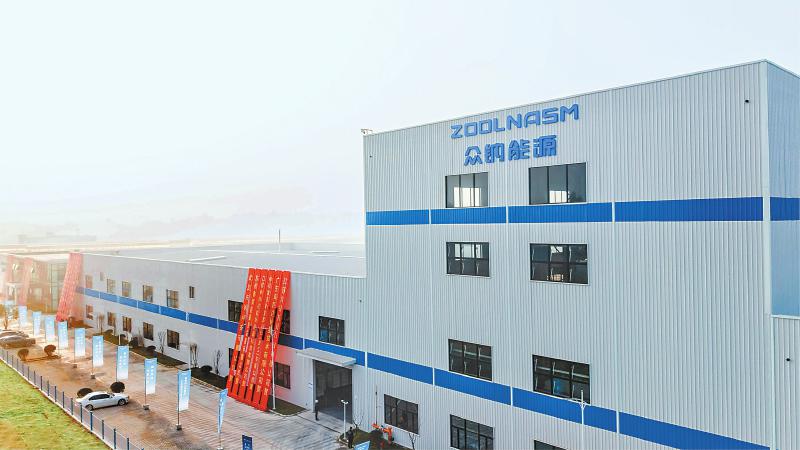
众钠能源:全球首个万吨级硫酸铁钠正极材料量产基地在眉山投产
Zhong Guo Qi Che Bao Wang· 2026-01-20 02:16
Group 1 - The world's first 10,000-ton sodium iron sulfate cathode material production base has officially commenced operations in the Ganmei Industrial Park, marking a significant milestone for the region's new energy industry development [1] - The project, with a total investment of 2 billion yuan, covers an area of approximately 77.1 acres and is set to produce 30,000 tons of sodium iron sulfate cathode materials and a 5GWh sodium-ion battery PACK system annually upon full completion [1] - The first phase of the project has achieved a production capacity of 10,000 tons per year for cathode materials, with an expected annual output value exceeding 4 billion yuan once fully operational [1] Group 2 - The rapid launch of this project exemplifies effective collaboration between government and enterprises, with the local government prioritizing the new energy and materials industry as a key development focus [2] - The project has been supported by a full-chain "assistance and agency" service model, ensuring efficient problem-solving and resource allocation during its development [2] - The production base is expected to drive the development of local industrial clusters by leveraging the parent company's technological reserves and patent advantages, contributing to the establishment of a modern industrial system in the region [4]
全球首条万吨NFS产线投产 众钠能源2026开年“第一枪”
高工锂电· 2026-01-19 11:00
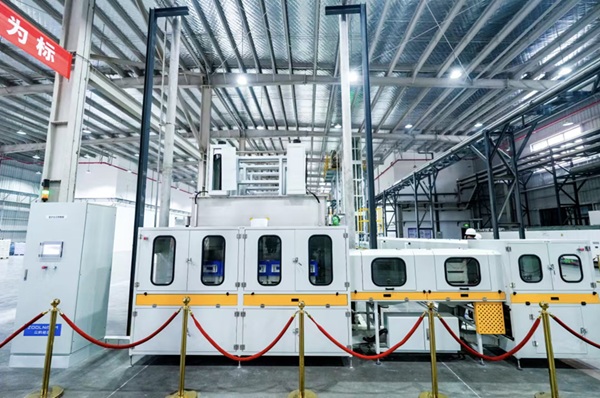
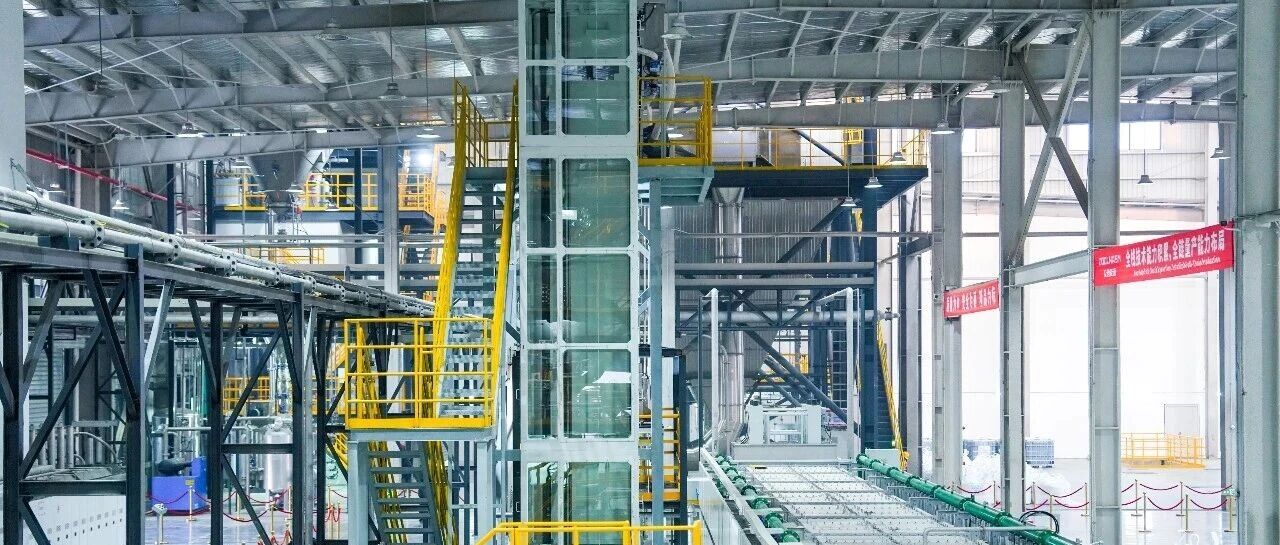
Core Viewpoint - The launch of the first 10,000-ton sodium iron sulfate cathode material production line in Meishan marks a significant step towards achieving cost parity with lithium iron phosphate materials, with potential cost reductions exceeding 50% [1][3]. Group 1: Production and Cost Reduction - The Meishan base's production is expected to drive sodium battery cathode material prices into the "10,000+" price range, significantly impacting the market [1][5]. - The sodium iron sulfate (NFS) technology is projected to experience a stable annual cost decline of 10% to 15%, enhancing its competitiveness against lithium batteries [4]. - The production line utilizes a second-generation production process, which is the first in China to achieve efficient and stable mass production of sodium iron sulfate, reducing fixed investment by approximately 20% [8][12]. Group 2: Strategic Partnerships and Market Expansion - Strategic cooperation agreements were signed with various companies to enhance collaboration across the supply chain, accelerating the commercialization of sodium batteries [3]. - The focus for 2026 includes expanding into new application scenarios such as two-wheeled vehicle battery swapping and energy storage, with the aim of achieving a cost of 0.3 yuan/Wh for NFS batteries [14][15]. Group 3: Technological Innovations - The production line integrates advanced automation and intelligent management systems, improving production efficiency and reducing overall energy consumption by over 30% [9][11]. - Continuous efforts are being made to enhance green and low-carbon practices, including recycling industrial by-products to support cost reduction [11]. Group 4: Market Potential and Future Outlook - The sodium battery's cost and performance advantages align well with the needs of battery swapping networks, potentially increasing its market share to 30% [4][13]. - The successful launch of the Meishan production line positions sodium iron sulfate as a leading candidate for mainstream technology in the battery market, supporting the potential for significant revenue growth for the company [15].
众钠能源启用全球首个万吨级硫酸铁钠正极材料工厂,钠电材料价格有望下探至“1万+”区间
3 6 Ke· 2026-01-19 07:18
Core Insights - The production base of sodium iron sulfate cathode materials by Zhongna Energy in Meishan, Sichuan, has officially commenced operations, marking the world's first production project with a capacity of over 10,000 tons, breaking the long-standing dilemma in the sodium battery industry regarding whether to prioritize market or material availability [1][6][9] Group 1: Cost Breakthrough - The sodium-ion battery industry is experiencing a pivotal turning point, with the cathode material significantly influencing battery performance and cost structure [5] - The price of sodium iron sulfate cathode materials is expected to drop to the "10,000+/ton" range, offering a cost advantage of over 50% compared to mainstream lithium iron phosphate materials [6][9] - The inherent resource advantages of sodium, which is more abundant in the earth's crust than lithium, contribute to this cost reduction, enabling a more autonomous and controllable supply chain [6][9] Group 2: Supply Chain Resolution - The release of the Meishan base's 10,000-ton capacity has resolved the long-standing "chicken-and-egg" dilemma in the sodium battery industry, providing stable and reliable core material supply to downstream battery manufacturers [9][12] - The base's production capabilities will facilitate the planning of at least 5GWh of sodium battery capacity, ensuring a seamless industrial chain [9][12] Group 3: Expanding Applications - Sodium batteries offer advantages beyond just low-cost alternatives, including superior low-temperature performance in cold regions and high discharge rates in specific applications [12] - The Meishan base is not only producing cathode materials but also unlocking new energy application scenarios, such as two-wheeled vehicle battery swap networks and large-scale energy storage systems [12][20] Group 4: Local Empowerment - The Meishan base achieved rapid establishment within 28 days, showcasing effective collaboration between local government and corporate execution, with an expected annual output value exceeding 4 billion yuan [15] - This facility is a strategic component of Zhongna Energy's national production network, enhancing service efficiency and stability for customers across China and potentially globally [15][20] Group 5: Market Potential - The sodium-ion battery market is projected to exceed 1,000GWh by 2030, driven by the ongoing carbon neutrality initiatives [18][19] - The timely launch of the Meishan base positions Zhongna Energy favorably within this trillion-yuan market, facilitating collaboration with downstream partners to develop tailored solutions [20][22]
汽车早餐 | 阿维塔通报“南宁15辆车连撞事故”;西电团队攻克芯片散热世界难题;王胜利任一汽-大众(商务)副总经理
Zhong Guo Qi Che Bao Wang· 2026-01-19 00:35
Group 1: Trade and Economic Cooperation - In 2025, the trade volume between China and Central Asia reached $106.3 billion, marking a 12% year-on-year growth, with an increase of 6 percentage points compared to the previous year. This is the first time the trade value has surpassed $100 billion, maintaining positive growth for five consecutive years. China has become the largest trading partner for Central Asian countries, with Central Asia's share in China's foreign trade increasing [2] Group 2: Technology and Innovation - The Ministry of Industry and Information Technology has revised the "Management Measures for the Gradual Cultivation of Quality SMEs," expanding the scope to include technology-based small and medium-sized enterprises (SMEs) for the first time. Future quality SMEs will encompass technology and innovation-driven SMEs, specialized and innovative SMEs, and "little giant" enterprises [3] - The Ministry of Science and Technology aims to promote complementary advantages among the Beijing-Tianjin-Hebei region and the Yangtze River Delta, creating a significant strategic support point for building a strong technological nation [4] - A research team from Xi'an University of Electronic Science and Technology has made breakthroughs in chip cooling technology, achieving a 30% to 40% improvement in performance records for similar devices internationally through innovative aluminum nitride film technology [5] Group 3: Automotive Industry Developments - Maruti Suzuki plans to invest ₹350 billion (approximately $3.9 billion) to build a new factory in Gujarat, India, which will increase its production capacity by up to 1 million vehicles annually [9] - Chery Automobile showcased its AI core achievements during the "2026 Chery AI Night," presenting a comprehensive AI strategic technology blueprint and announcing the official entry into the 2.0 (AI+) phase of its AI intelligence [13] - A subsidiary of Lichung Group has signed a strategic cooperation agreement with a leading domestic new energy vehicle company to establish a "Joint Innovation Laboratory" [15] Group 4: Corporate News - Avita Technology reported on a traffic accident involving 15 vehicles in Nanning, clarifying that the auxiliary driving function was not activated at the time of the incident, which was attributed to driver error [11] - Zhongna Energy's Meishan base has officially commenced production, becoming the first 10,000-ton production base for sodium iron sulfate cathode materials in the industry, with a rapid delivery cycle of one week [12] - Wang Shengli has been appointed as the Deputy General Manager of FAW-Volkswagen Automotive Co., Ltd., while Zhang Yan has been appointed as the Deputy Secretary of the Party Committee and head of the labor union [14]



众钠能源硫酸铁钠正极材料基地在四川眉山正式投产
Zheng Quan Ri Bao Wang· 2026-01-18 12:48
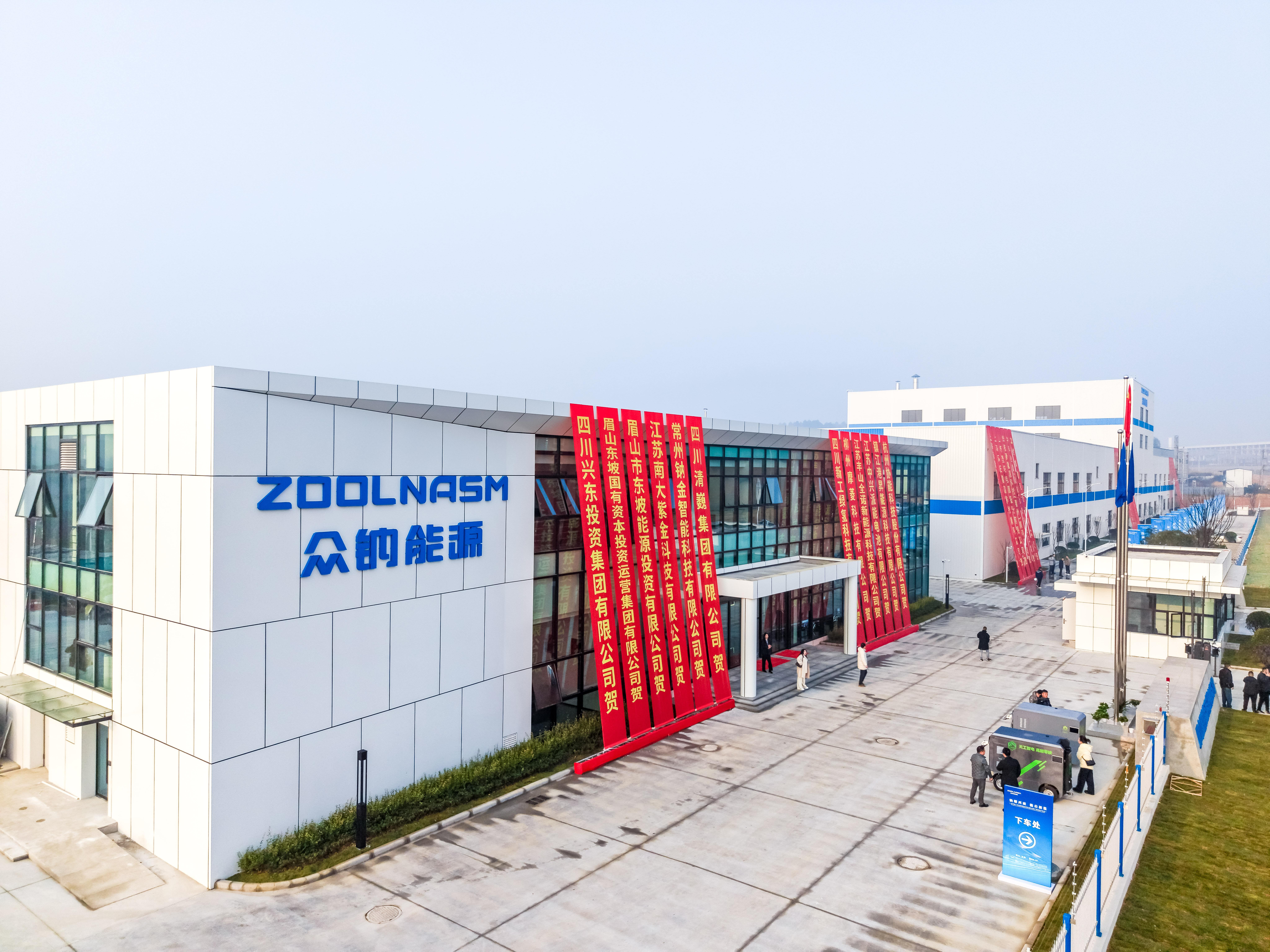
Core Insights - Jiangsu Zhongna Energy Technology Co., Ltd. has officially launched its 10,000-ton sodium iron sulfate cathode material production base in Meishan, Sichuan, marking a significant scale-up in production capacity for sodium iron sulfate, which is crucial for the high-quality development of the global new energy industry [1][2] Group 1: Project Overview - The total investment for the Meishan Lina project is 2 billion yuan, covering an area of approximately 77.1 acres [1] - The project is planned in two phases, aiming for an annual production capacity of 30,000 tons of sodium iron sulfate cathode materials and a 5GWh sodium-ion battery PACK system [1] - Upon full production, the project is expected to generate an annual output value exceeding 4 billion yuan, contributing significantly to local economic development [1] Group 2: Technological Advancements - The project utilizes Zhongna Energy's second-generation production technology, which allows for rapid replication and expansion capabilities [2] - It features proprietary integrated process patents that merge precursor production and finished product manufacturing, enhancing production efficiency and reducing overall energy consumption by over 30% [2] - The production line incorporates centralized control and remote monitoring systems, along with the introduction of an advanced MES manufacturing execution system, achieving full automation and intelligent management of the production process [2] Group 3: Strategic Implications - The launch of the Meishan Lina project signifies the implementation of Zhongna Energy's dual-base strategy, greatly improving the company's responsiveness and service resilience in the national market [2] - The project is expected to accelerate the gathering of upstream and downstream sodium battery enterprises in Sichuan, contributing to the establishment of a nationally influential sodium battery industry cluster [2] - This initiative will further solidify the regional industrial strategic position and contribute to global sustainable energy development [2]