
银行内控

Search documents
乐山商行惊现33亿骗贷黑洞,掮客与内鬼串通演戏
凤凰网财经· 2025-10-04 12:26
Core Viewpoint - The article discusses a significant loan fraud case involving Leshan Commercial Bank, where a total of 33 billion yuan was fraudulently obtained through a well-orchestrated scheme, raising serious concerns about the bank's internal controls and risk management practices [3][4][5]. Group 1: Fraud Scheme Details - The fraud originated in 2013 when a group led by Chen Biyuan successfully obtained 200 million yuan in loans from a bank using forged documents and impersonation [4]. - Following this initial success, the group targeted Leshan Commercial Bank, securing 2 billion yuan in loans before escalating their operations, culminating in a 1.3 billion yuan loan fraud case involving Wuhan Yida High-Tech Industry Co., which was based on a fictitious contract [5]. - The fraudulent activities included high-interest lending and misappropriation of funds, with significant profits generated from illegal activities [5][6]. Group 2: Internal Control Failures - Leshan Commercial Bank's internal controls were severely compromised, with bank executives colluding with external agents to bypass risk assessment protocols [7][8]. - Key bank officials, including the former head of the financial market department, were found to have accepted bribes, leading to the approval of fraudulent loans without proper verification [9]. - The bank's risk management processes were described as superficial, allowing the fraud to occur repeatedly without detection [10][14]. Group 3: Impact on IPO Prospects - Despite the fraud case, Leshan Commercial Bank's financial performance appeared strong, with total assets exceeding 200 billion yuan and significant revenue growth reported [15][16]. - However, the unresolved legal issues related to the fraud and ongoing scrutiny from regulatory bodies pose significant risks to the bank's IPO ambitions [17]. - The bank's ability to address its internal control weaknesses and manage historical issues will be critical for its future in the capital markets [17].

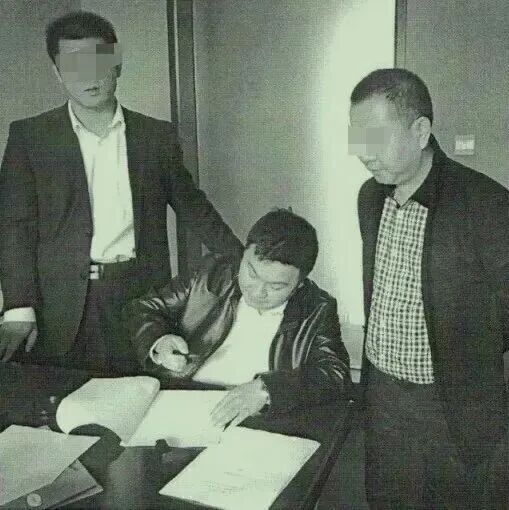
90后员工诈骗733万被判十年,吉林银行难掩治理沉疴
Guan Cha Zhe Wang· 2025-08-15 07:32
Core Viewpoint - A former employee of Jilin Bank, Zhu Shijie, was sentenced to ten years and eleven months for defrauding 7.337 million yuan through a fabricated "reverse loan" scheme, highlighting significant internal control failures within the bank [1][2][7]. Group 1: Fraud Details - Zhu Shijie initiated a fraudulent scheme between 2019 and 2021, using forged bank statements and chat records to lure victims into investing over 86 million yuan, resulting in a loss of 7.437 million yuan [1][6]. - The scheme involved a "borrow new to repay old" strategy, where Zhu promised high returns of 2% weekly, leading to a network of victims who collectively invested approximately 74.6264 million yuan [4][5][6]. - Zhu's fraudulent activities were ultimately exposed when he failed to return funds to investors, leading to his voluntary surrender in December 2021 [6]. Group 2: Internal Control Failures - The case is part of a broader pattern of internal control failures at Jilin Bank, with previous incidents of similar fraud leading to severe penalties for employees, including a 14.25 million yuan fraud case in 2020 [1][7]. - The bank's asset quality has deteriorated, with net profit dropping by 27.4% to 1.415 billion yuan in 2024 and a rising non-performing loan ratio reaching 1.50% [1][7]. - High-level corruption has been reported, with multiple executives, including the former chairman, facing criminal charges, indicating systemic issues within the bank's governance [7]. Group 3: Shareholder Actions - In March 2024, major state-owned shareholders expressed concerns over potential asset quality risks by voting against a related party transaction at a board meeting [8]. - Following these concerns, Jilin Yatai Group announced plans to publicly transfer 300 million shares of Jilin Bank to optimize its asset-liability structure, reducing its stake from 5.36% to 4.60% [8].
