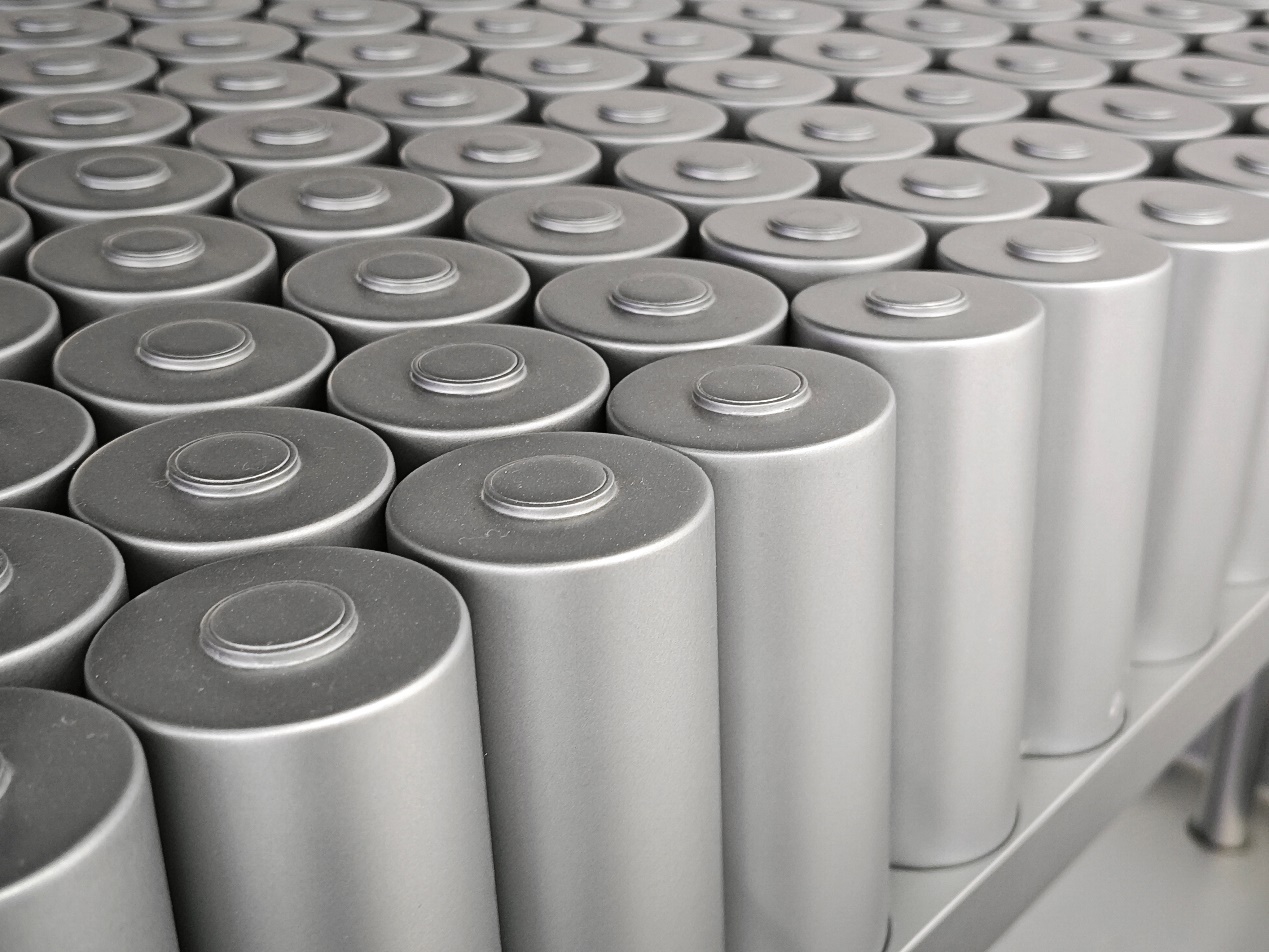
锂电池热失控

Search documents
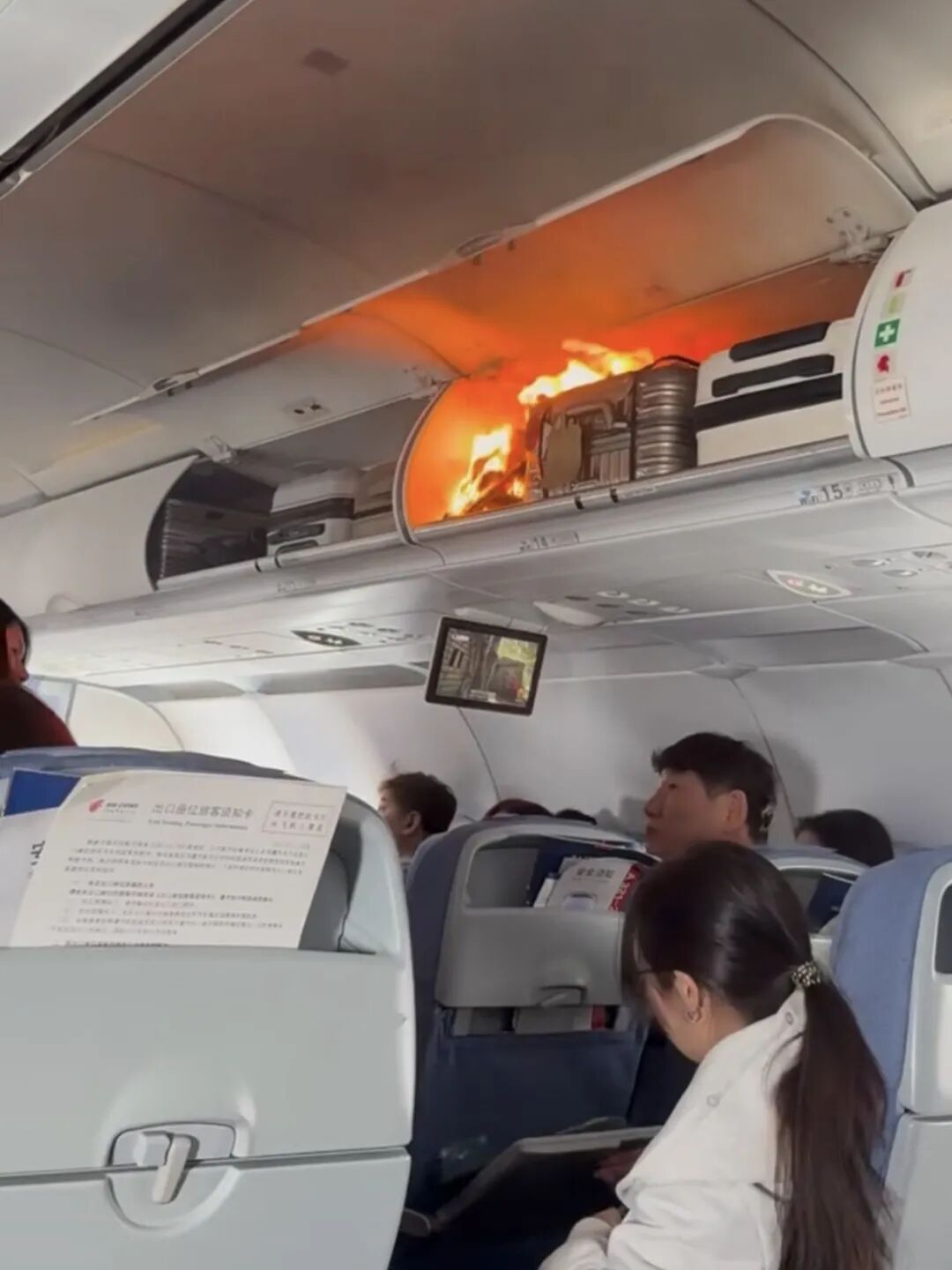
杭州飞韩国一航班因锂电池自燃备降,亲历者:客舱都是烟,行李架被熏黑
Xin Jing Bao· 2025-10-18 11:10
Core Points - A China International Airlines flight (CA139) from Hangzhou to Incheon experienced a lithium battery fire in the overhead compartment, leading to an emergency landing at Shanghai Pudong International Airport [1][3] - The incident occurred on October 18, with the fire quickly extinguished by the crew and passengers, and no injuries reported [1][4] - The flight was delayed but resumed later with a replacement aircraft, arriving in Incheon at 17:30 local time [4] Summary by Sections Incident Details - The fire was caused by a lithium battery stored in a passenger's carry-on luggage, which self-ignited during the flight [1][3] - The flight took off at 9:47 AM and was scheduled to arrive in Incheon at 2 PM local time [4] Regulatory Context - The Civil Aviation Administration of China (CAAC) prohibits the transport of lithium batteries in checked luggage and has specific regulations for carry-on batteries, including a maximum energy rating of 100Wh [4][5] - New regulations effective from June 28, 2023, restrict the carrying of certain types of power banks on domestic flights, although these do not apply to international flights [4][5] Economic Implications - The airline may incur costs related to the emergency landing, including fuel, landing fees, and passenger accommodations, which are typically borne by the airline in such incidents [6][7] - The airline has the right to seek compensation from the passenger whose luggage caused the incident, and that passenger may pursue claims against the battery manufacturer [6][7]

三问三解 | 锂电池如何灭火?
Zhong Guo Zhi Liang Xin Wen Wang· 2025-07-01 03:14
Core Viewpoint - The recent issues surrounding multi-brand power banks, including recalls, removal from e-commerce platforms, and safety concerns regarding lithium battery cells, have sparked significant public discussion about the safety and management of lithium batteries [1][3]. Group 1: Lithium Battery Characteristics - Lithium batteries, including both ternary lithium and lithium iron phosphate batteries, are categorized as chemical batteries composed of positive and negative electrodes, electrolyte, and separator [1]. - The positive electrode materials include lithium cobalt oxide, lithium manganese oxide, nickel cobalt aluminum oxide, ternary materials, and lithium iron phosphate, while lithium serves as the active material in the negative electrode [1][3]. Group 2: Causes of Thermal Runaway - During normal charge and discharge cycles, lithium ions move between the electrodes, but factors such as usage time, charge/discharge cycles, and temperature differences can increase internal resistance [3]. - External factors like overcharging, over-discharging, short circuits, and high temperatures can lead to chemical reactions within the battery, potentially resulting in thermal runaway, where internal heat cannot be dissipated, leading to fire or explosion [3][4]. Group 3: Firefighting Methods for Lithium Battery Fires - Once thermal runaway occurs, high temperatures can decompose the electrolyte, producing flammable gases like hydrogen and methane, which can ignite without oxygen [5]. - Water is considered one of the most effective extinguishing agents for lithium battery fires, as it can absorb heat through evaporation, lowering the battery's temperature and preventing further thermal runaway [9]. - Perfluorohexane is also effective in extinguishing battery fires due to its cooling, oxygen-isolating, and chemical suppression properties, although it is more expensive [11].