镇街合并

Search documents
撤并镇街,经济第一大省,突然开始了
创业家· 2025-09-30 10:07
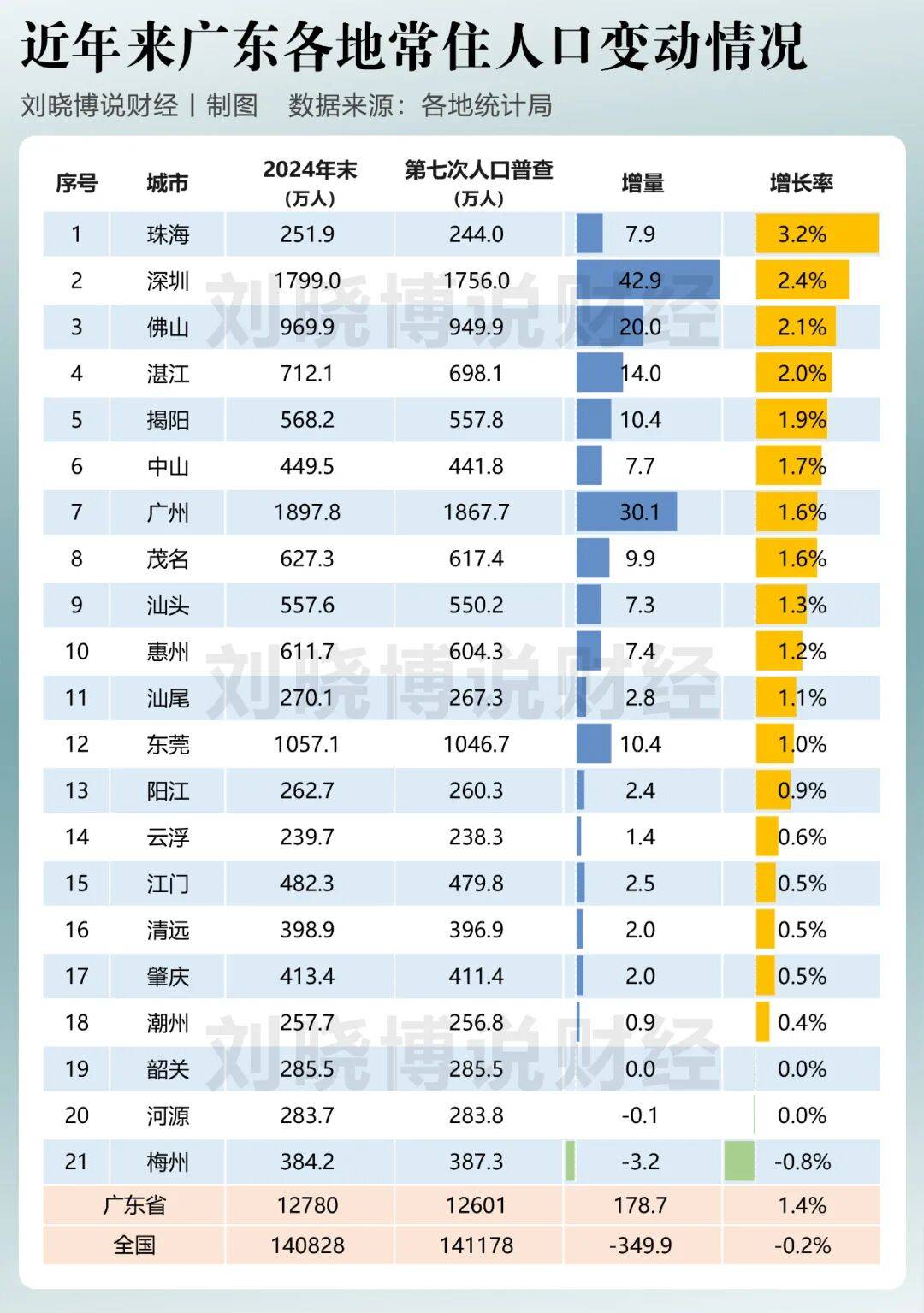
Group 1 - The article discusses the recent trend of town and street mergers in Guangdong, aiming to reduce administrative levels, save costs, and enhance administrative efficiency [4][10][15] - Guangdong, as the most populous province, is experiencing population changes that necessitate these adjustments, moving from a growth-focused expansion to a more sustainable management approach [12][14][22] - The merging of towns and streets is seen as a way to optimize regional resources and improve spatial layout, reflecting a shift in administrative strategy [15][19][20] Group 2 - The article highlights that while Guangdong is experiencing population inflow, other regions, particularly in the Northeast and Midwest, are facing population decline and may soon follow suit in administrative adjustments [22][28][34] - Historical context is provided, noting that past administrative changes were driven by rapid growth, whereas current changes are a response to population stability and decline [10][38] - The article emphasizes the importance of aligning administrative structures with population trends to ensure efficient governance and resource allocation [24][25][26]


镇街合并,拉开大幕
Hu Xiu· 2025-09-22 05:25
Core Viewpoint - The article discusses the recent trend of merging towns and streets in Guangdong province, aiming to reduce administrative layers, save costs, and enhance administrative efficiency while strengthening the local economy [2][4][19]. Group 1: Background and Context - Several regions in China have initiated town and street mergers in recent years, with the most significant efforts observed in Northeast China, where there have been instances of "reverse urbanization" [3][5]. - Guangdong, as the most populous province, is taking the lead in this trend despite its continuous population growth [7][19]. - The article highlights that the merging of towns and streets is a response to changing population dynamics, transitioning from a phase of expansion to one of adjustment [5][19]. Group 2: Characteristics of Merged Areas - The towns and streets targeted for merging are primarily located in the less developed areas of Guangdong, characterized by small land areas, low resident populations, and a phenomenon known as "separation of people and households" [11][12]. - "Separation of people and households" refers to the situation where many residents work elsewhere, leading to a disconnect between their registered household and their actual residence [12][19]. Group 3: Historical Perspective - The current merging efforts echo a similar wave of town mergers that occurred over 20 years ago in Guangdong, which aimed to bolster the local economy during a period of rapid growth [14][15]. - The previous adjustments resulted in the emergence of several economically strong towns, with Guangdong becoming a leader in "strong town economies" [16][19]. Group 4: Future Implications - The article suggests that other regions facing population decline and negative growth, particularly in the Northeast and Midwest, may soon follow Guangdong's example [20][21]. - The adjustments in administrative divisions are expected to align with the trends in permanent population changes, as indicated by recent policy documents [22][23]. - The article notes that nearly 1,500 counties have experienced population declines from 2010 to 2020, with significant portions of these areas located in the Northeast and Western regions [24][26]. Group 5: Administrative Adjustments - The merging of towns and streets is seen as a practical response to high administrative costs and the need for more independent management structures in areas with insufficient populations to justify their current administrative status [37][39]. - The article emphasizes the importance of adapting to urban dynamics and reducing administrative burdens as a long-term strategy for sustainable development [40][41].