
阅读障碍

Search documents
“我们不是笨小孩”
Xin Lang Cai Jing· 2026-01-20 22:58
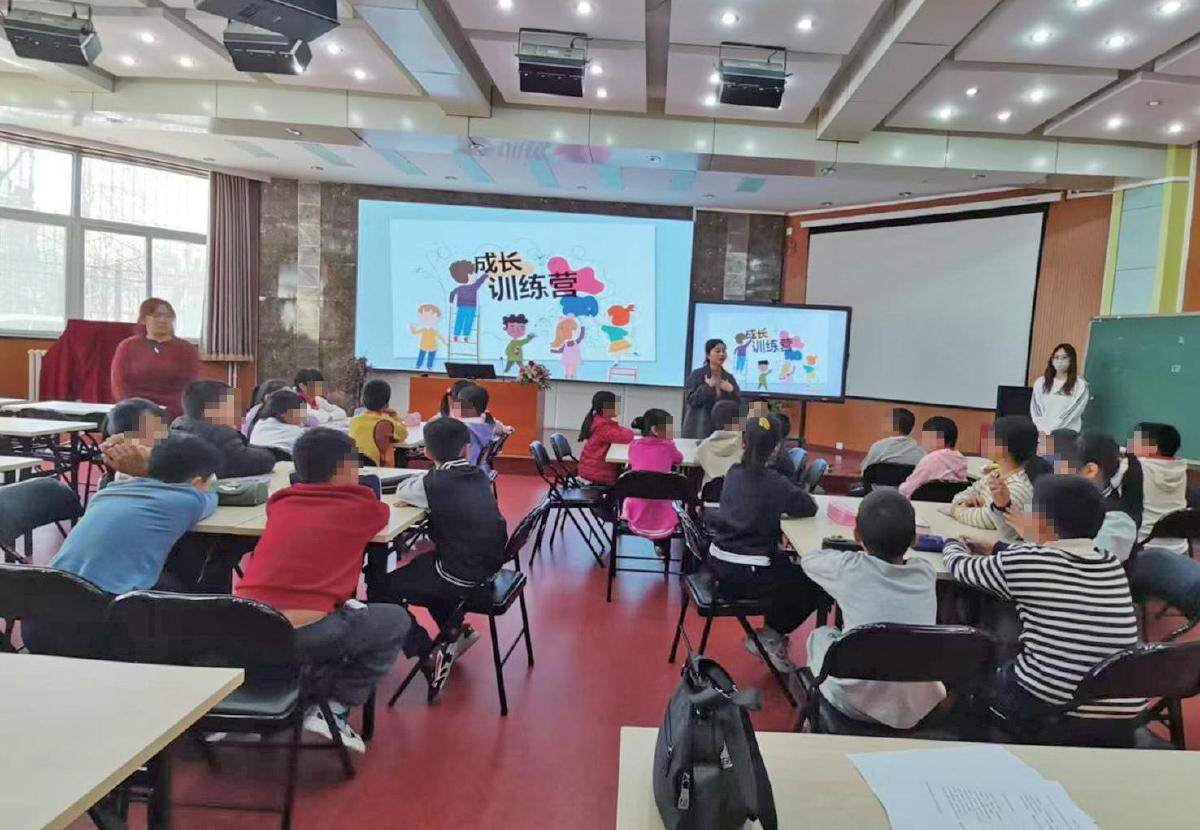
"学习、书写障碍""阅读障碍",当这些专业词汇越来越多出现在社交媒体上,这一群体也逐渐走进公共视野。新京报记者 刘洋 端倪"视野里的字都是移动的" (来源:千龙网) 汉字像跳动的画符,整整两面试卷,看上去都是黑的——这并不是小说情节,而是一名阅读障碍孩子每天的真实世界。 无数次把"已经"写成"以经","美好"写成"每好",正值期末,一个400多人的家长群中,一条条讨论和求助,让阅读障碍儿童的存在和表现愈发变得具象。 家长们发现,他们的孩子并非"不学"或"不努力",而是面临被归为"神经发育障碍"的隐形挑战。 寒假临近,近期,北京大学、北京师范大学、首都师范大学等发布寒假招募信息,针对"语文学习困难""注意力缺陷"等问题开展寒假训练营。 发现问题的时候,叶叶(化名)已经上小学一年级。学龄前,叶叶就有吐字不清、怎么教也不识字的情况,叶叶妈妈一直以为,"男孩发育相对慢而已"。 上学后,这些问题开始让妈妈"坐不住了"。一般而言,小朋友生字抄写四五遍就能掌握,而叶叶抄了几十遍还是记不住;头一天学了五个生字,第二天问又 都不认识,甚至学写自己的名字都花了一个学期的时间。 叶叶妈妈也在重庆当地带孩子看过医生,大夫建议再等等。 ...

外媒:为“聆听式阅读”正名
Huan Qiu Shi Bao· 2025-11-25 22:50
Core Viewpoint - The article discusses the evolving definition of reading, particularly the growing acceptance of audiobooks as a legitimate form of reading, contrasting traditional reading methods with auditory experiences [1][2][3]. Group 1: Changing Perceptions of Reading - A recent NPR and Ipsos poll indicates that 41% of American adults believe audiobooks do not count as reading [1]. - The decline in traditional reading is highlighted, with a study showing that daily leisure reading time for American adults has decreased by over 40% in the past 20 years [2]. - The rise of audiobooks is significant, with sales reaching approximately $2.2 billion last year, and a 65% increase in audiobook borrowing over the past five years [2]. Group 2: Cognitive Processing of Reading - Research from UC Berkeley suggests that the brain processes meaning similarly whether reading or listening, activating the same neural networks [2]. - Focused listening can achieve comprehension levels comparable to reading physical books, especially benefiting individuals with reading disabilities [3]. - Combining physical reading with audiobook listening can enhance comprehension for some readers, particularly those facing reading challenges [3]. Group 3: Personal Experience and Adaptation - The author shares a transformative experience with audiobooks, discovering a new way to engage with literature that enhances focus and enjoyment [4]. - The integration of text-to-speech technology allows for a more immersive reading experience, blending auditory and visual elements [4]. - The author emphasizes the importance of enjoying the reading process itself, regardless of the format [4].