
防卫预算

Search documents
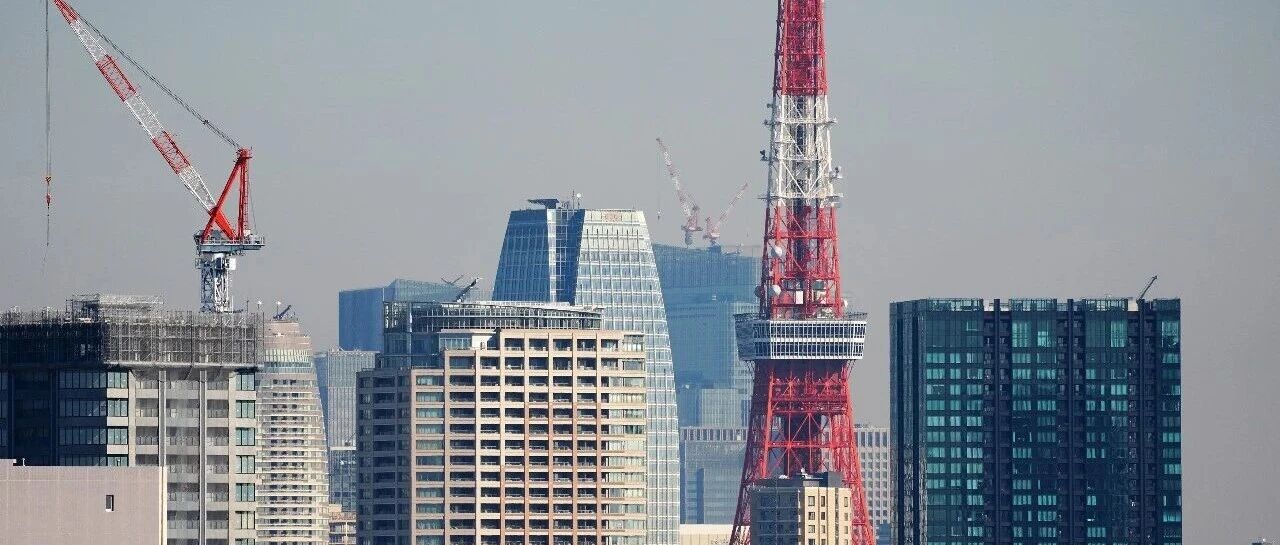
日本政府敲定2026财年预算 防卫预算创新高
Jing Ji Guan Cha Wang· 2025-12-26 02:56
Core Points - The Japanese government has finalized the budget for the fiscal year 2026, amounting to approximately 122.3092 trillion yen, marking a record high compared to the 115 trillion yen budget for fiscal year 2025 [1] - The defense budget, which includes expenses related to the U.S. military, is set at around 9.0353 trillion yen, also representing the highest level in history [1]
日本2026财年防卫预算创新高
第一财经· 2025-12-26 02:31
Core Viewpoint - The Japanese government has approved a budget proposal for the fiscal year 2026, with defense spending exceeding 9 trillion yen, marking a new record high [1]. Group 1 - The defense budget surpasses 9 trillion yen, indicating a significant increase in military expenditure [1].

追加400亿美元军费,赖清德意欲何为
经济观察报· 2025-11-27 12:26
Core Viewpoint - The article discusses Taiwan's plans under leader Lai Ching-te to significantly increase defense spending, which may escalate tensions in the Taiwan Strait as the 2028 elections approach [1][8]. Group 1: Defense Budget Announcement - Lai Ching-te announced a historic $400 billion special budget for military purchases from the U.S. to enhance Taiwan's asymmetric warfare capabilities [2]. - Taiwan plans to invest NT$1.25 trillion (approximately $400 billion) over the next eight years to develop an advanced air defense system, "Taiwan Shield," aiming for high combat readiness by 2027 and comprehensive deterrence by 2033 [2][6]. Group 2: Domestic Reactions - The U.S. Taipei Economic and Cultural Office welcomed the announcement, emphasizing the importance of this investment for Taiwan's defense [4]. - The ruling Democratic Progressive Party (DPP) is expected to support the budget, while the opposition Kuomintang (KMT) criticized it, warning that it could lead to a debt exceeding NT$500 billion, violating fiscal discipline [5]. Group 3: Implications of Increased Defense Spending - The increase in defense budget may have mixed effects on public opinion, as there are concerns about the sustainability of continuous defense spending and its potential negative impact on Taiwan's investment climate [6]. - The strategic timing of the budget increase aligns with the upcoming elections, suggesting that it may be a tactic to bolster support for the DPP [7]. - The article highlights a long-standing relationship between Taiwan's government and the U.S. military-industrial complex, suggesting that this relationship drives Taiwan's military procurement strategies [8].
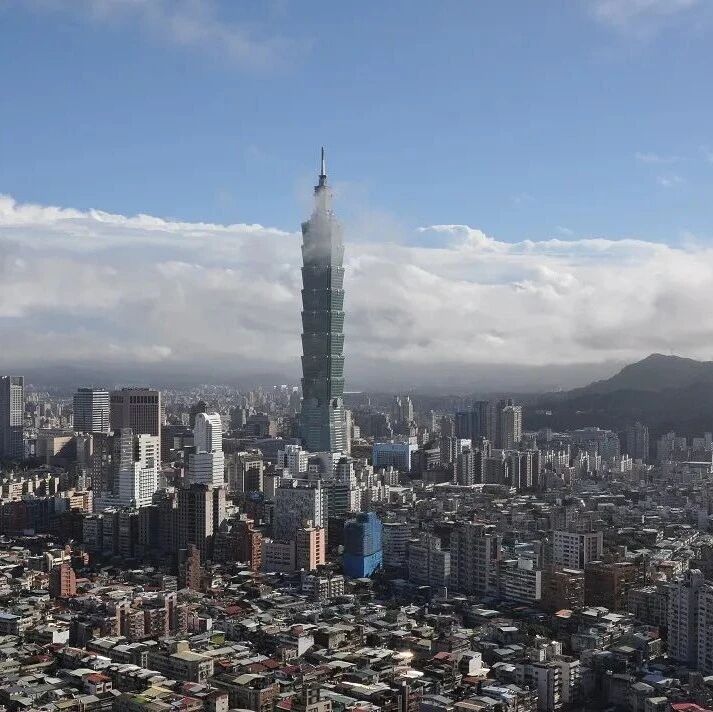
台海观澜 | 追加400亿美元军费,赖清德意欲何为
Jing Ji Guan Cha Bao· 2025-11-27 03:40
Group 1 - Taiwan plans to launch an unprecedented $40 billion special budget for military purchases from the U.S. to enhance its asymmetric warfare capabilities [1] - The Taiwanese government aims to invest NT$1.25 trillion (approximately $40 billion) over the next eight years to develop an advanced air defense system called "Taiwan Shield," achieving high combat readiness by 2027 and comprehensive deterrence by 2033 [1] - The American Institute in Taiwan (AIT) welcomed the announcement, emphasizing the importance of this investment for Taiwan's defense and U.S. support for Taiwan's acquisition of critical asymmetric capabilities [2] Group 2 - The ruling Democratic Progressive Party (DPP) is expected to rally support for the budget, while the opposition Kuomintang (KMT) criticized the move, warning it could lead to a debt exceeding NT$500 billion, violating fiscal discipline [3] - The impact on public opinion is uncertain, as while increased defense spending may initially garner support, there are concerns about the long-term implications and potential backlash from the public [4] - The additional defense budget could raise investment risks for Taiwan, potentially affecting foreign investment and the DPP's electoral prospects [4] - The announcement aligns with the DPP's electoral strategy, as the timeline for achieving military readiness coincides with the upcoming elections in 2028 [5] - The historical relationship between Taiwan's government and the U.S. military-industrial complex has created a strong interest group that benefits from ongoing military purchases, which some view as detrimental to Taiwan's economy [5]