军备竞赛

Search documents
未来十大趋势,大运来了!
Sou Hu Cai Jing· 2026-02-27 17:04
Group 1 - Autonomous driving technology is expected to experience explosive growth in the next one to two years, significantly improving urban travel experiences by alleviating traffic congestion caused by human driving differences [3] - The development of humanoid robots is set to liberate humans from tedious and dangerous labor, with potential applications in logistics and elder care, combining AI and precision mechanics for enhanced emotional interaction [3] - AI large models are showing capabilities that may surpass human experts in drug development and target discovery, with the potential to tackle complex diseases like cancer and ALS in the next five to ten years, possibly extending human lifespan to 120 years [3] Group 2 - AI is evolving towards general large models, expected to replace over 90% of existing applications across various service scenarios, necessitating increased regulation and value guidance [5] - The demand for raw materials such as copper, aluminum, and rare earths will continue to rise due to the reliance of AI on powerful computing, with China's green electricity capacity surpassing coal power and a surge in energy storage needs [5] - The real estate sector is entering a new development phase characterized by significant "80/20" differentiation, where core urban assets remain strong while 80% of the population continues to leave cities, leading to a lack of fundamental support in those markets [5] Group 3 - The aging population and declining birth rates are accelerating trends in the "silver economy" and health industries, while also driving the rapid rise of pet economy, single economy, emotional value consumption, and cost-effective consumption [7] - The complex global geopolitical landscape is intensifying great power competition, leading to a new arms race and highlighting the importance of strategic resources such as aerospace, communication satellites, and rare earths in modern warfare [7] - Biotechnology is revolutionizing the food industry with scalable production of basic nutrients like mushroom protein and synthetic starch, potentially replacing traditional agriculture and contributing to carbon neutrality and ecological restoration [7] Group 4 - China has established a dominant position in global photovoltaic, new energy vehicles, and power battery sectors, with future advancements in domestic AI large models, GPU chips, and super applications expected to accelerate breakthroughs and form a more complete self-controlled industrial chain [9] - The article aims to provide trend references based on public information and industry observations, emphasizing the importance of maintaining a learning and open mindset to better understand changes and embrace the future [9]


五角大楼针对中国的详细支出计划曝光:126亿美元用以加强监测中方军事演习等,其中花5亿美元扩建间谍卫星
Xin Lang Cai Jing· 2026-02-27 00:33
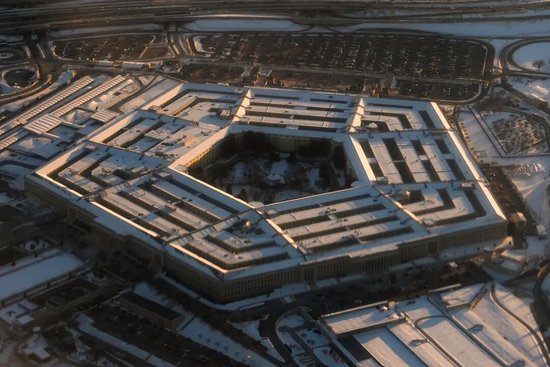
Core Viewpoint - The Pentagon plans to allocate an additional $12.6 billion to enhance monitoring of Chinese military exercises, submarines, and satellite activities, which is perceived as a response to unprecedented Chinese military mobilization in Asia [1][4]. Budget Allocation Details - The budget document outlines various spending plans aimed at improving intelligence and monitoring systems, including $1 billion for enhancing U.S. military's offensive cyber operations and another $1 billion for the Boeing-operated X-37B orbital test vehicle [1][4]. - An allocation of $528 million is designated for the expansion of a warning spy satellite constellation named "Silent Buck," intended to track Chinese or Russian spacecraft that could potentially disrupt U.S. satellite systems [5]. - Additionally, $143 million is earmarked for improving U.S. anti-submarine sonar technology, which is part of a comprehensive underwater surveillance system that includes seabed sensors for continuous monitoring of enemy submarines [7]. Strategic Implications - Military experts indicate that the U.S. aims to bolster its space reconnaissance and underwater monitoring capabilities with this additional budget, addressing existing gaps in its surveillance network, particularly in the South China Sea [7]. - The U.S. military's plans to upgrade both space and underwater monitoring systems are viewed as actions that could escalate regional tensions and intensify the arms race, posing a serious threat to regional peace and stability [7].
以色列试射“箭-4”反导系统,意在对付伊朗高超导弹?
Xin Lang Cai Jing· 2026-02-20 06:12
Core Viewpoint - The "Arrow-4" missile defense system, developed by Israel Aerospace Industries in collaboration with the U.S. Missile Defense Agency, is designed to address the shortcomings of the existing "Arrow-2" system and counter the threats posed by hypersonic weapons [1][4]. Group 1: Development Background - The "Arrow-2" system was initiated in the 1990s to counter missile threats from neighboring countries, becoming Israel's first core defense system for mid-range ballistic missile interception [2]. - The "Arrow-2" system has limitations, including outdated booster technology, limited interception accuracy, and poor resistance to saturation attacks, which have become increasingly problematic with advancements in Iranian missile technology [3][4]. Group 2: Technological Advancements - The "Arrow-4" system has achieved significant technological breakthroughs, including enhanced guidance, kill mechanisms, and propulsion systems, allowing it to intercept hypersonic weapons and medium to long-range ballistic missiles [5][6]. - The system features a maximum range of 200 kilometers and an altitude of 60 kilometers, significantly extending the defense coverage compared to "Arrow-2" [6]. Group 3: Operational Capabilities - The "Arrow-4" system incorporates advanced guidance technology, including inertial navigation, mid-course command updates, and terminal multi-mode guidance, improving its ability to track and intercept high-mobility targets [6][7]. - The system employs a new operational concept of "shoot-observe-shoot," allowing for rapid reassessment and follow-up interceptions if the first attempt fails, thereby increasing overall interception success rates [8]. Group 4: Strategic Implications - The "Arrow-4" system is expected to enter service within two years and will gradually replace the "Arrow-2" system, enhancing Israel's multi-layered missile defense capabilities alongside other systems like "Iron Dome" and "David's Sling" [10]. - The introduction of the "Arrow-4" system may escalate the arms race in the Middle East, prompting adversaries like Iran to accelerate their missile development programs in response to the enhanced Israeli defense capabilities [11].
德国反战组织示威游行 抗议慕安会“煽风点火”
Xin Lang Cai Jing· 2026-02-15 06:19
Core Viewpoint - The ongoing Munich Security Conference is criticized for intensifying military discussions and promoting arms escalation, with demonstrators advocating for dialogue and negotiation to resolve international disputes [1][3]. Group 1: Demonstration Details - Thousands of protesters gathered in Munich, holding signs with messages like "Stop the arms frenzy" and "Negotiate instead of shooting," expressing dissatisfaction with the conference's focus on military issues [1]. - The demonstrators argue that the emphasis on military topics will exacerbate regional tensions and lead to an arms race, calling for a reduction in military spending and a return to a collective security framework based on international law [3]. Group 2: Criticism of NATO and Military Expansion - The spokesperson for the organizing group, Heinz, stated that NATO countries in Europe are seeking to play a strong role in a new multipolar world, which results in nations attempting to achieve this goal through military expansion, a strategy deemed incorrect [5]. - Protesters, including a participant named Hall, reiterated their opposition to the Munich Security Conference, labeling it as a platform that fuels war rather than promotes peace, asserting that military buildup has never led to peace but rather to reciprocal military expansion and increased war risks [7].

西班牙首相呼吁避免新一轮军备竞赛
Yang Shi Xin Wen· 2026-02-14 17:58
Group 1 - The core viewpoint emphasizes the need to prevent a new arms race while strengthening deterrence capabilities in a coordinated and controlled manner [1] - There are divergences regarding the goal of increasing defense spending to 5% of GDP, highlighting that the focus should be on how the money is spent and whether there is joint investment [1] - The importance of strengthening the "European pillar" within NATO is stressed, with a focus on enhancing European defense industrial capabilities to avoid over-reliance on the U.S. defense industry [1] Group 2 - Support for Denmark regarding Greenland is clearly expressed, emphasizing the respect for sovereignty and territorial integrity, stating that sovereignty should not be a bargaining chip [1]
美俄《新削减战略武器条约》到期 军备竞赛风险加剧
Yang Shi Xin Wen· 2026-02-06 00:14
Core Viewpoint - The expiration of the New START treaty on February 5 raises concerns about a potential new arms race between the US and Russia if a new agreement is not reached [1][2]. Group 1: Treaty Expiration and Implications - The New START treaty, which had a 10-year validity and was extended once for 5 years in 2021, has now completely expired [1]. - Russian experts express that the treaty is part of a fading world order and hope for new agreements to establish new rules [1]. - The lack of mutual oversight and transparency could lead to an uncontrollable arms race, as the US appears to be open to this possibility to defeat geopolitical competitors [1]. Group 2: Historical Context and Compliance Issues - Even during the validity of the New START treaty, the US has reportedly evaded its obligations, particularly regarding the verification of nuclear facilities [2]. - Mutual verification between the two countries was interrupted during the COVID-19 pandemic in 2020, and since then, the US has repeatedly failed to comply with treaty obligations [2]. - The expiration of the New START treaty marks the second significant arms control agreement to fail, following the collapse of the INF treaty in 2019, with no agreements on extensions or alternatives currently in place [2].
俄美唯一核军控条约失效,特朗普最新表态
Xin Lang Cai Jing· 2026-02-05 23:51
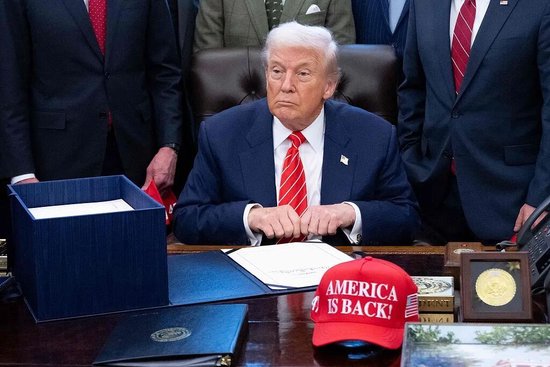
Core Viewpoint - The expiration of the U.S.-Russia New Strategic Arms Reduction Treaty (New START) on February 5 raises concerns about the potential for increased nuclear arms competition and instability in global security, as it marks the first time in over half a century that there are no binding limits on the strategic nuclear arsenals of the two countries [7][9][10]. Group 1: Treaty Background and Expiration - The New START treaty was signed in 2010 to limit the number of deployed nuclear warheads and delivery systems, originally set to last for 10 years and extended to February 5, 2026 [3][10]. - The treaty allowed for up to 18 on-site inspections per year, fostering communication and predictability between the U.S. and Russia [34]. - The expiration of the treaty signifies a loss of the last legal constraints on the expansion of nuclear arsenals for both nations [33][34]. Group 2: Reactions and Future Implications - President Trump criticized the treaty as a "bad deal" and suggested that a new, modernized agreement should be pursued instead of extending the existing one [20][22]. - Russian officials, including Deputy Chairman of the Federation Council Kosachev, stated that the treaty's termination would not lead to a new arms race or nuclear war, asserting that the world would not collapse [6][25]. - The international community has expressed concerns that the lack of a treaty could lead to increased nuclear competition and a more dangerous global environment, with calls for both nations to return to negotiations [9][14][35]. Group 3: Strategic Stability and Global Security - The expiration of the treaty is viewed as a significant step back in maintaining strategic stability, with the risk of nuclear weapon use at its highest level in decades [10][29]. - Analysts warn that the absence of structured diplomatic dialogue may increase the likelihood of misunderstandings and miscalculations between nuclear powers [33][35]. - The potential for other nuclear-capable nations to reconsider their non-proliferation commitments due to the uncertainty surrounding U.S. security guarantees has also been highlighted [33].
美俄唯一军控条约今天失效
财联社· 2026-02-05 04:40
Core Viewpoint - The expiration of the New START treaty between the US and Russia signifies the potential collapse of the nuclear arms control framework established during the Cold War, leading to an escalation in the arms race and increased risks of conflict [1][2]. Group 1: Implications of Treaty Expiration - The failure to extend or replace the New START treaty means there will be no legally binding limits on the number of nuclear weapons held by the US and Russia, which could intensify the arms race [1]. - The expiration of the treaty may disrupt verification, data exchange, and notification mechanisms, leaving both parties unaware of each other's nuclear capabilities, thus increasing the risk of misinterpretation during military exercises and deployments [2]. Group 2: Impact on Global Security - The global security environment is likely to deteriorate, with the international nuclear non-proliferation regime facing significant challenges. If both the US and Russia refuse to impose limitations, other nations may feel justified in expanding their arsenals, potentially leading to nuclear proliferation [5]. - Nuclear-armed states may feel compelled to respond to the perceived threats, while non-nuclear states could question the fairness of the Non-Proliferation Treaty, prompting countries like Japan and South Korea to consider nuclear sharing or independent development of nuclear weapons, which poses systemic risks to global strategic stability [5].

美俄最后核军控条约数小时后失效,无约束时代来临
Jin Shi Shu Ju· 2026-02-04 13:48
Core Viewpoint - The expiration of the New START treaty between the US and Russia poses a significant risk of a new arms race, marking the first time in over half a century that the two largest nuclear powers will lack any limitations on their arsenals unless a last-minute agreement is reached [1]. Group 1: Treaty Expiration and Implications - The exact expiration time of the treaty is debated, but experts suggest it will lapse at 23:00 GMT on Wednesday, coinciding with the midnight signing time in Prague in 2010 [2]. - Pope Francis has urged both nations not to abandon the treaty's restrictions, emphasizing the need for a common ethical approach over fear and distrust [3]. - Without an agreement to extend the treaty's core terms, both countries could freely increase their nuclear warhead counts, potentially doubling their deployed nuclear arsenal [3]. Group 2: Cost and Strategic Considerations - The high costs associated with nuclear weapons may serve as a significant constraint against an arms race, despite the treaty's expiration [3]. - US officials have not yet responded to Russia's proposal to extend the treaty's limitations beyond its expiration [4]. - The global nuclear warhead inventory has decreased from over 70,000 in 1986 to approximately 12,000 by 2025, yet both the US and Russia continue to upgrade their nuclear arsenals [5]. Group 3: Perspectives on Arms Control - Supporters of arms control warn that the treaty's expiration could undermine mutual trust and verification capabilities regarding nuclear intentions [5]. - Critics argue that such agreements may obscure the benefits and hinder nuclear innovation, effectively limiting the strategic flexibility of nuclear powers [5]. - Former President Trump has questioned the necessity for the US and Russia to develop new nuclear weapons, suggesting that existing arsenals are sufficient for deterrence [6].
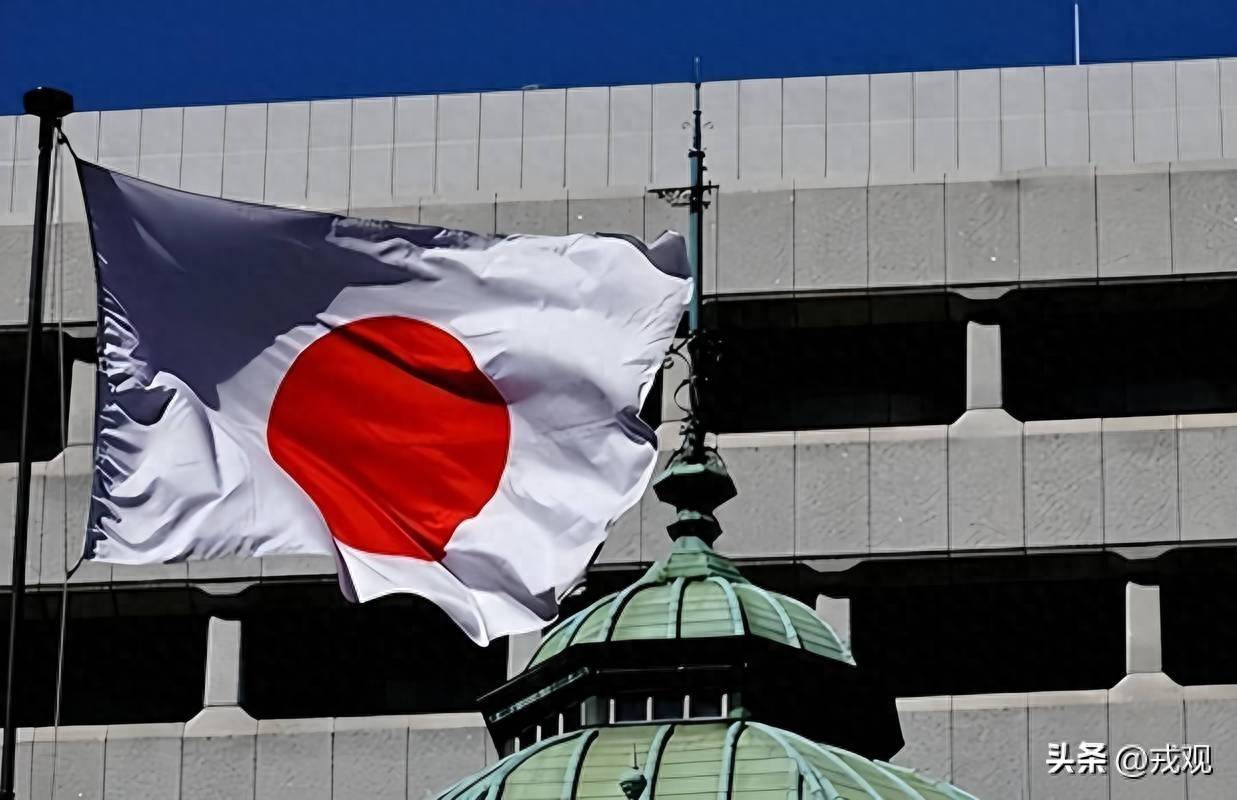
稀土告急!日本急赴深海捞淤泥,这场自救简直是笑话
Sou Hu Cai Jing· 2026-01-19 09:57
Core Viewpoint - Japan is facing a critical shortage of rare earth materials, leading to urgent measures to explore and potentially extract these resources from the seabed, while previous strategies have failed to materialize [5][9]. Group 1: Current Situation - Japan's deep-sea drilling ship has embarked on a mission to collect rare earth samples from the seabed near Minami-Torishima, approximately 2000 kilometers from Tokyo, with a plan for a 20-day collection period [6]. - The country has previously claimed to have submerged raw materials like rare earths to retrieve them in case of deteriorating relations with China, but these materials have not been recovered [8]. - Japan's heavy rare earth reserves are critically low, with only enough to last two months, while regular rare earth stocks can sustain operations for less than six months [9]. Group 2: Challenges in Exploration and Extraction - Japan has not conducted any foundational exploration for rare earths in recent years, leading to a lack of confirmed sources for these materials [9]. - Experts suggest that if exploration is successful, commercial extraction might not begin until February 2027, indicating a potential stagnation in Japan's rare earth supply chain for at least the next year [11]. - The deep-sea extraction process is expected to be costly and challenging, making it difficult for Japan to compete with China's rare earth industry [11]. Group 3: Import Difficulties - Japan has attempted to secure rare earth imports from Kazakhstan, but logistical issues have hindered the transportation of these materials [12]. - Various proposed routes for importing rare earths face significant obstacles, including saturated transport capacities and geopolitical tensions with China and Russia [14]. - The only feasible route involves a lengthy and costly journey through Central Asia and the Mediterranean, which is not sustainable for Japan's needs [14].