难民庇护政策

Search documents
他能成为荷兰最年轻的首相吗
Qi Lu Wan Bao· 2025-11-09 17:42
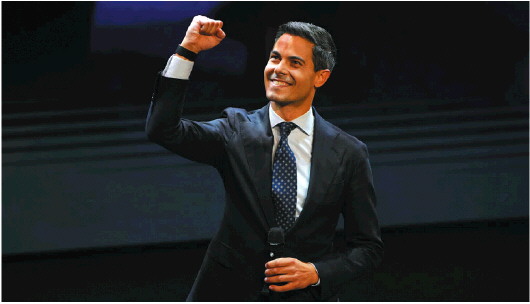
Core Points - The recent Dutch parliamentary elections resulted in the unexpected rise of the Six Six Party, which became the largest party, with Rob Jetten as a leading candidate for Prime Minister [2][3] - Jetten's party gained significant seats compared to the previous election, increasing from 9 to an expected 27 seats, while traditional parties faced setbacks [3][4] - The political landscape in the Netherlands has shifted, with voters expressing fatigue over political polarization and seeking solutions to pressing issues like housing and immigration [5][6] Election Results - The Six Six Party, led by Jetten, is projected to win 27 seats, narrowly ahead of the Freedom Party with 25 seats, and the People's Party for Freedom and Democracy with 23 seats [2][3] - The total votes for the Six Six Party were approximately 1.77 million, while the Freedom Party received around 1.75 million votes [2] Political Context - The previous coalition government, which included the Freedom Party, collapsed due to disagreements over immigration policies, leading to the early elections [4][5] - Jetten's rise is attributed to a combination of factors, including public dissatisfaction with extreme political views and a focus on more moderate, centrist policies [6][7] Jetten's Leadership - Rob Jetten, at 38, represents a new generation of centrist leadership, combining elements from both left and right policies [6][8] - His campaign effectively addressed key voter concerns, particularly housing shortages, proposing the construction of new cities and significant government investment in housing [6][9] Coalition Formation Challenges - Forming a stable coalition will be a significant challenge, as it is anticipated that at least four parties will need to collaborate, with Jetten reaching out to potential allies [10] - The Freedom Party is likely to be excluded from the new coalition, as other parties have expressed unwillingness to partner with them [10]

极右翼领导人因难民政策分歧退出执政联盟,导致荷兰政府垮台
Xin Lang Cai Jing· 2025-06-04 06:20
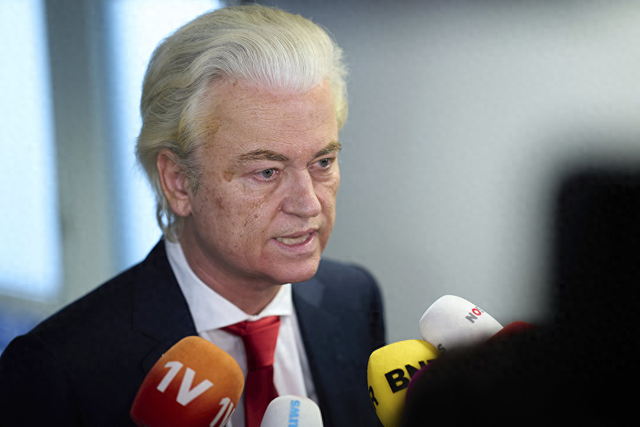
Core Points - The leader of the Dutch far-right Freedom Party, Geert Wilders, announced on June 3 that the party would withdraw from the ruling coalition due to disagreements over refugee asylum policies [2][3] - Following Wilders' announcement, Dutch Prime Minister Dick Schoof resigned, and Freedom Party ministers will leave the cabinet, while others will temporarily govern as a caretaker government [2][3] - The political landscape in the Netherlands is currently fragmented, making it unlikely for new elections to be held before October, and it may take months to form a new government [2][3] Group 1 - Wilders stated that no agreement was reached on the asylum plan, leading to the decision to exit the coalition [2] - The government core decision-making body held an emergency meeting to discuss the implications of the Freedom Party's exit [3] - Wilders has been compared to Donald Trump by several media outlets and has advocated for the strictest asylum policies in history [3][4] Group 2 - Wilders proposed a plan to close borders, expel asylum seekers, and shut down shelters, which he claims is necessary to support the strict asylum policies [4] - He expressed dissatisfaction with the slow progress of the asylum affairs minister and called for stronger border controls and the revocation of Dutch nationality for dual passport holders [3][4] - Wilders intends to lead the Freedom Party in upcoming elections and aims to become the next Prime Minister [4]