零售行业本土化

Search documents
奥乐齐中国换帅陈佳上任,外资零售三巨头均由女性执掌!
Sou Hu Cai Jing· 2025-11-01 17:41
2025年10月,德国折扣超市巨头奥乐齐(ALDI)中国区宣布了一项人事任命: 原董事总经理陈佳升任中国区CEO,全面接管中国区业务并直接向奥乐齐全球CEO汇报。 这位在中国零售行业打拼多年的女性高管,因此成为奥乐齐进入中国市场以来的首位本土CEO。 陈佳的晋升并非孤例。 放眼当下中国商超零售行业,外资零售巨头奥乐齐、沃尔玛、开市客(Costco)以及本土新零售代表盒 马,均已由本土女性职业经理人执掌。 这批女性高管群体的出现,标志着中国零售行业管理阶层进入了新阶段。 四强鼎立:零售女帅的战略布局 中国零售市场的竞争格局从未如此微妙, 四大零售企业的掌舵者不约而同地由中国女性担任,她们各自带着不同的使命和战略重点。 奥乐齐陈佳于2023年2月加入奥乐齐,担任中国区董事总经理。 她拥有丰富的零售行业经验,先后任职于沃尔玛、麦德龙。 在陈佳的推动下,奥乐齐中国启动了从"社区精品超市"向"硬折扣超市"的战略转型。 沃尔玛中国总裁及首席执行官朱晓静则代表着另一种职业路径。 严筱磊上任后主导盒马回归用户价值战略,推动全国近半数门店升级改造。 转型之战:从战略调整到业绩兑现 作为70后,她拥有北京外国语大学和哥伦比亚大学 ...



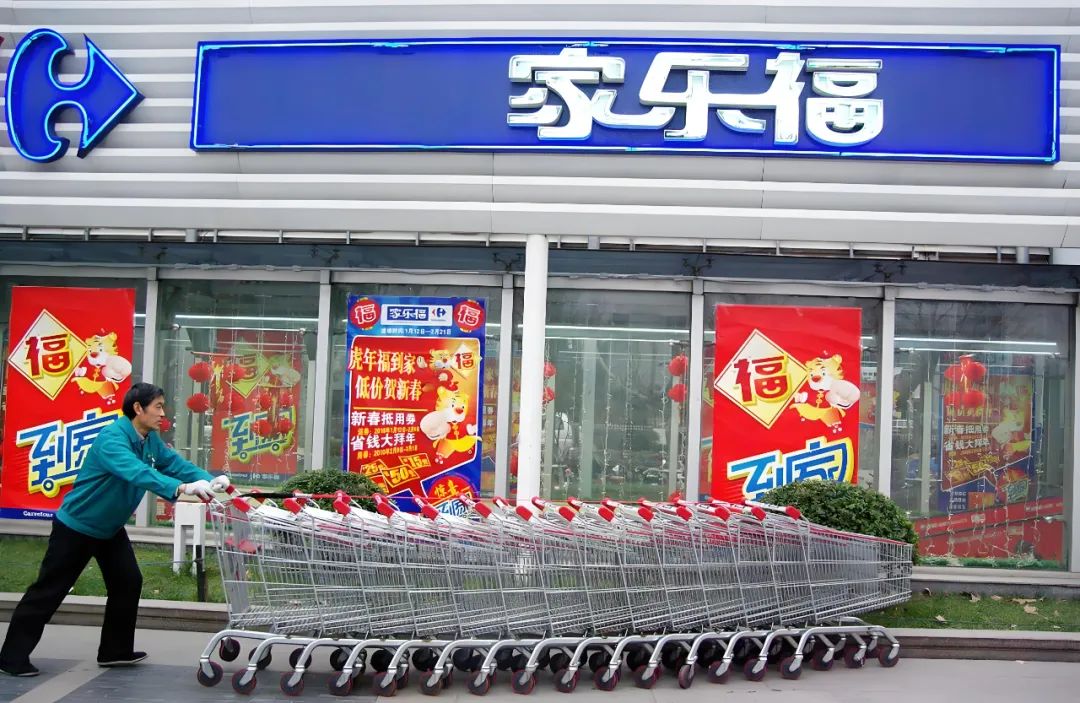
法国家乐福、英国乐购、韩国乐天……在中国零售业消亡的9大洋品牌
3 6 Ke· 2025-05-12 04:49
Core Insights - The article discusses the challenges faced by foreign supermarket brands in the Chinese retail market, highlighting their struggles to adapt to local consumer preferences and competition from domestic brands [1][32]. Group 1: Carrefour - Carrefour entered the Chinese market in 1995 and quickly expanded, reaching 155 stores and sales of 43.7 billion yuan by 2009 [4]. - The rise of e-commerce and local competitors led to Carrefour's decline, as it struggled to adapt its management and operational strategies [5]. - In 2019, Carrefour sold 80% of its Chinese business to Suning, and by 2023, only four stores remained, indicating a complete exit from the market [5]. Group 2: Marks & Spencer - Marks & Spencer entered China in 2008 but failed to resonate with local consumers due to its conservative product style and high pricing [8]. - The company closed all its Chinese stores in 2018, although it continues to operate an online flagship store [8][9]. Group 3: Tesco - Tesco entered China in 2004 but faced challenges due to insufficient localization and poor supply chain management [12]. - The company sold its Chinese operations to China Resources in 2014, marking its exit from the market [12]. Group 4: E-Mart - E-Mart, a South Korean brand, entered China in 1997 but failed to adapt its product offerings to local consumer preferences [15]. - The company exited the Chinese market in 2017 after selling all its stores [15]. Group 5: Takashimaya - Takashimaya opened its only Chinese store in 2012 but struggled with high-end positioning that did not align with the broader market [18]. - The company closed its Shanghai store in 2019, reflecting the challenges of high-end retail in China [18]. Group 6: Auchan - Auchan entered China in 1999 but faced difficulties due to slow digital transformation and competition from local supermarkets [21]. - The brand gradually faded from the market after 2020, with its stores being taken over by China Resources [21]. Group 7: Lotte Mart - Lotte Mart entered China in 2008 but faced a significant setback due to the "THAAD incident," leading to a boycott of its stores [24]. - The company closed 87 of its 112 stores in China and began selling its operations in 2018 [24]. Group 8: C.P. Lotus - C.P. Lotus entered China in 1997 but faced continuous losses, with a cumulative loss exceeding 1.1 billion yuan from 2012 to 2016 [27]. - The company is on the verge of privatization and is effectively exiting the Chinese market [27]. Group 9: Metro - Metro entered China in 1996 and was initially successful but faced challenges from e-commerce and local competitors [30]. - In 2019, the company sold 80% of its Chinese operations to Wumart, marking a significant reduction in its market presence [30]. Conclusion - The article emphasizes the importance of understanding local market dynamics and consumer preferences for foreign retailers in China, as many have failed to adapt and ultimately exited the market [32].