
青年租房

Search documents
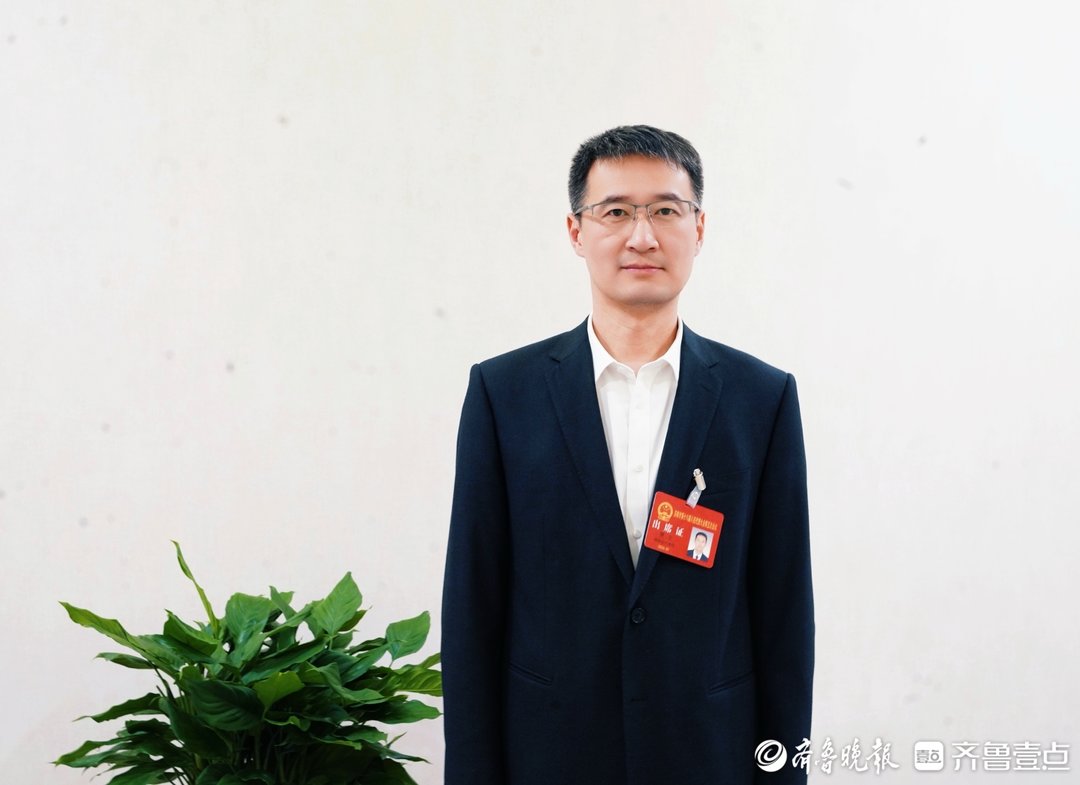
贾文:对青年社区提质扩面 满足青年租房需求
Qi Lu Wan Bao· 2026-01-20 04:49
Group 1 - The core viewpoint of the article emphasizes the launch of the "Qingcheng Youth Store" cultivation plan to stimulate youth innovation and entrepreneurship through the "small store economy" [1][3] - The initiative aligns with Jinan's "14th Five-Year Plan" and aims to empower youth to contribute to the construction of a modern socialist strong province [3] - The plan includes enhancing the "Youlai Youth Community" to better meet the housing needs of young people, indicating a focus on improving living conditions for the youth [3] Group 2 - The article highlights the importance of youth engagement in community governance and the promotion of rural revitalization through the "Good Youth in Rural Areas" initiative [3] - It mentions the continuation of programs like "Youth University Study" and "Youth Volunteer" to foster ideological guidance among young people [3] - The article also discusses the provision of support services for youth, including activities like "Love Meals" and "Love Stations" for delivery workers and ride-hailing drivers, addressing social issues such as child care and youth crime prevention [3]

聚焦城市青年安居,《2025上海青年租房趋势报告》发布
Xin Lang Cai Jing· 2025-07-10 06:02
Core Insights - The trend of youth population gathering in first-tier cities is intensifying, leading to increased demand for rental housing, which poses challenges for urban governance and services [1][12] - The rental market in major cities like Shanghai is evolving, with a significant shift towards long-term rentals and a growing preference for quality living conditions among young renters [2][3][4] Youth Rental Market Overview - The rental population in first-tier cities is approaching 40 million, accounting for nearly 50% of the total resident population, with youth driving this trend [1] - By the end of 2024, the rental population of youth in Shanghai is projected to reach 76,000, marking a 68.89% increase from 2022 [2] Rental Preferences and Trends - Youth in Shanghai show a clear preference for long-term rentals, with nearly 90% opting for this choice, reflecting a balance between stability and flexibility [3] - Over 70% of young renters prefer shared accommodations, although the demand for whole rentals is gradually increasing [3] Rental Pricing Dynamics - Average monthly rent for whole rentals in Shanghai decreased to 5,000-5,500 RMB in 2024, while shared rental prices remained stable at 2,000-2,500 RMB [2] - Youth exhibit high sensitivity to rental prices, leading to a "price gradient effect" where lower-cost areas attract budget-conscious renters [6] Impact of Online Platforms - Online platforms are becoming the primary channel for youth renting, with 63.05% using professional housing rental platforms and 30.29% utilizing lifestyle service platforms [4] - The shift towards online platforms indicates a change in consumer habits, merging social interaction with transactional activities [4] Regional Rental Preferences - Youth rental choices are influenced by employment opportunities, transportation convenience, and living costs, with specific areas like Zhangjiang and Minhang being particularly popular [5][8][11] - The top five preferred rental areas for recent graduates include Pudong New District, Minhang District, Jing'an District, Qingpu District, and Yangpu District, driven by job availability and transportation access [8][10] Graduate Rental Behavior - The proportion of graduates choosing to rent in the city where they studied is increasing, with over 78% of graduates in major cities opting to stay [7] - Shared accommodations are the primary choice for 82.60% of recent graduates, highlighting a focus on cost-sharing and social interaction [7] Conclusion - The evolving rental trends among youth reflect a deeper interaction between urban development and the needs of young residents, emphasizing the importance of policy optimization and market innovation to meet these demands [12]