青银共居

Search documents
“青银共居”点亮乡村发展新实践 “好颜值”转化为“好价值”助农增收
Yang Shi Wang· 2025-09-08 02:42
Core Viewpoint - The article highlights the transformation of Shuiku Village in Shanghai's Jinshan District through a series of rural living environment improvement initiatives, showcasing the impact of these efforts on local residents and the community's development [1][3][7]. Group 1: Environmental Improvement Initiatives - Since 2018, the Chinese government has implemented a series of actions aimed at improving rural living environments, with Shuiku Village being one of the first demonstration villages for rural revitalization [1][7]. - Approximately 140 million yuan has been invested in the comprehensive renovation of all waterways in Shuiku Village, covering a total length of 28 kilometers [7]. - The village underwent significant changes, including the removal of nearly 100 illegal structures and the clearing of over 1,000 tons of silt from waterways, which improved water connectivity [10]. Group 2: Community Development and Living Conditions - The village has been redesigned to include modern living spaces, such as two to three-story row houses, while still accommodating traditional lifestyles by adding water wells and pumps for each household [9]. - The village has a population of 432 households, with a significant portion of residents over 60 years old, leading to a focus on creating suitable living conditions for elderly residents [14]. - The introduction of a "digital nomad" living demonstration area has attracted over 200 digital nomads, including entrepreneurs who have established seven cross-border e-commerce and tech companies in the village [16]. Group 3: Economic Opportunities and Challenges - Despite the improvements, only four out of 118 households in the concentrated living area are renting out rooms, and only two have opened homestays, indicating a reluctance among residents to engage in tourism-related activities [17]. - The village is exploring new development paths to enhance its tourism industry, as the improved living environment has reduced the willingness of residents to rent out their properties [17]. - Initiatives such as English classes and social media training for the elderly are being introduced to foster interaction between younger and older generations, creating a "youth-senior cohabitation" model [19][20].


养老院开起“青年公寓”:年轻人陪伴抵租金,跨代共居养老新模式爆火
3 6 Ke· 2025-09-03 01:23
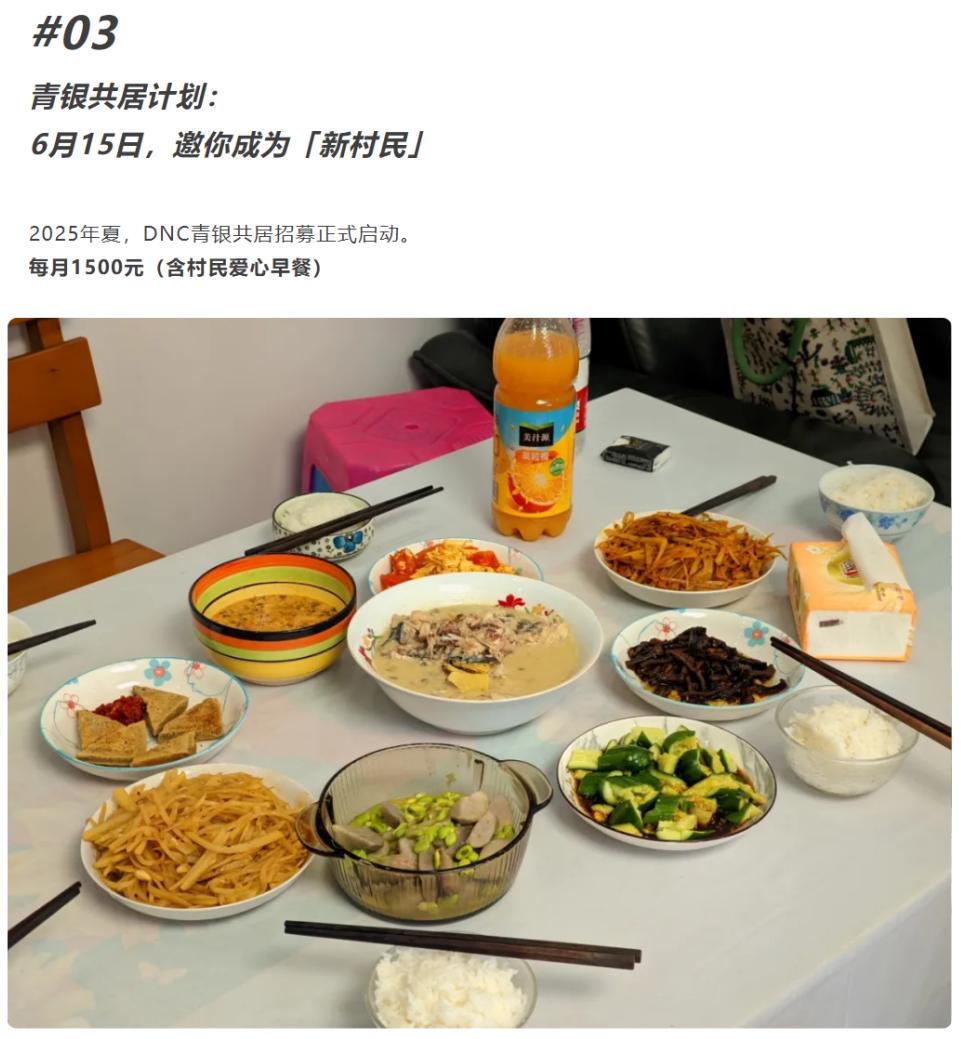
Group 1 - The core concept of "Qingyin Co-housing" involves young people and elderly individuals living together in a specific space, fostering interaction and companionship [4][7][37] - The initiative in Shanghai, known as "Qingyin Co-housing," allows young people to live in rural villas at a low cost while engaging in community activities and providing educational support to the elderly [1][4] - The model has gained attention in China as a solution to the challenges of aging populations and the loneliness of elderly individuals, with various implementations emerging across the country [6][8][37] Group 2 - The "Qingyin Co-housing" model is primarily practiced in institutional settings in China, contrasting with international examples where it has expanded to home-based care [14][7] - In 2023, it was estimated that approximately 160 million elderly individuals aged 60 and above live alone in China, highlighting the growing need for intergenerational living arrangements [8][12] - Various platforms in countries like Japan and the U.S. facilitate home-based "Qingyin Co-housing," allowing young people to rent rooms from elderly homeowners in exchange for companionship [11][32][36] Group 3 - The commercial implementation of "Qingyin Co-housing" in China includes initiatives where elderly care facilities rent out vacant rooms to young people, creating a mutually beneficial arrangement [13][17] - Examples of successful projects include the HeTai Center in Guangdong, which offers low rent in exchange for volunteer hours from young residents [17][20] - The model not only addresses the issue of underutilized space in elderly care facilities but also provides young people with affordable housing options in urban areas [13][19]