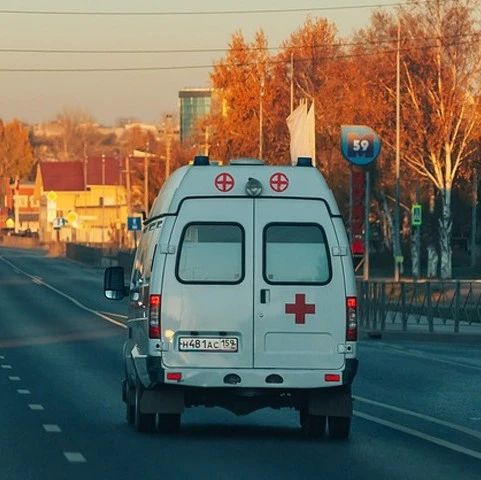
非急救转运

Search documents
致命转运:一个未被正视的医疗刚需
36氪· 2025-07-30 00:10
Core Viewpoint - The article highlights the severe issues surrounding the "black ambulance" industry in China, emphasizing the lack of regulatory oversight and the significant demand for non-emergency patient transport services, which has led families to resort to unsafe and unregulated options [3][9][26]. Group 1: Case Study of Liu Lili - Liu Lili's tragic death during a 12-hour ambulance transfer from Changchun to Beijing underscores the dangers of using unregulated "black ambulances," which lack proper medical equipment and qualified personnel [5][6][21]. - The family initially chose a seemingly legitimate ambulance service, which turned out to be a "black ambulance," leading to a court ruling that held the service responsible for 60% of the liability in Liu Lili's death [23][24]. - The incident has sparked public outrage and led to hospitals halting cross-province transport services, further complicating the situation for critically ill patients [8][9]. Group 2: Market Demand and Supply Issues - There is a significant gap in the non-emergency transport market, with estimates suggesting that tens of thousands of patients require transport services annually in cities like Changchun, while the number of legitimate ambulances is insufficient [9][26]. - The article notes that many families opt for "black ambulances" due to their lower costs and ease of access, despite the risks involved [11][27]. - In major cities like Shanghai, the demand for non-emergency transport is substantial, with estimates of 100,000 to 120,000 requests annually, highlighting the urgent need for a regulated transport system [29][30]. Group 3: Regulatory Challenges - The lack of a unified regulatory framework for non-emergency transport services has led to widespread issues, including exorbitant fees and unqualified personnel operating "black ambulances" [35][39]. - The article calls for the establishment of clear regulations and standards for non-emergency transport services to ensure patient safety and service quality [39]. - There is a growing consensus within the industry that compliance and regulation are essential for the sustainable development of non-emergency transport services [39].