非法狩猎罪

Search documents
非法狩猎罪保护对象应包括国家重点保护的珍贵濒危野生动物
Xin Lang Cai Jing· 2026-01-09 22:53
Core Viewpoint - The article emphasizes the importance of biodiversity protection in China, highlighting the legal challenges and discrepancies in the application of laws related to the protection of endangered species and illegal hunting [1][2]. Legal Framework - China's Criminal Law specifies two offenses related to biodiversity: the crime of harming precious and endangered wildlife and the crime of illegal hunting, with specific legal definitions and conditions for each [1][2]. - The Supreme People's Court and the Supreme People's Procuratorate established standards for prosecution, stating that the value of endangered species must exceed 20,000 yuan for prosecution under the first offense, while the value for illegal hunting must exceed 10,000 yuan [2]. Discrepancies in Legal Interpretation - There are two main interpretations regarding the protection objects of the two offenses: one denies overlap, suggesting that illegal hunting only applies to non-endangered species, while the other affirms that it includes endangered species [3][4]. - The lack of clarity in the legal definitions leads to challenges in prosecuting cases, particularly in instances involving various species of wild birds, where the public may not be aware of the protection status [2][3]. Judicial Implications - The principle of proportionality in sentencing is highlighted, where individuals may escape prosecution for hunting endangered species if the value does not meet the threshold, while others may face prosecution for hunting non-endangered species, leading to potential public discontent [4][5]. - The article argues for a more inclusive interpretation of the law to ensure that both offenses can apply to overlapping categories of wildlife, thereby enhancing legal consistency and public understanding [5][6]. Legislative History - The evolution of laws regarding illegal hunting and the protection of endangered species is traced back to 1979, with significant amendments made to strengthen protections over the years, indicating a legislative intent to provide comprehensive protection for wildlife [5][6].
女子婚后第二年出轨伴郎并生娃,双双获刑
Xin Lang Cai Jing· 2025-12-07 15:05
Core Viewpoint - The case involves a woman, He, who engaged in a relationship with her husband's best man, Zheng, while still married, leading to their arrest for bigamy on June 26, 2023 [1][2][4] Group 1: Background Information - He, a 28-year-old woman from Shaanxi Province, married Cheng on December 19, 2019, with Zheng serving as the best man at their wedding [1][3] - After Cheng frequently worked away, He and Zheng began living together as a couple in the second year of her marriage, and they had a child on December 4, 2022 [1][3] Group 2: Legal Proceedings - He and Zheng were arrested for bigamy on June 26, 2023, and the court proceedings began on June 30, 2023 [2][4] - The court found that He had a spouse and Zheng knowingly lived with her as a couple, which constituted bigamy, leading to their convictions [2][4] Group 3: Sentencing - He was sentenced to one year in prison with a two-year probation, while Zheng received a ten-month prison sentence [2][4]
“今天扎野猪,明天可能就扎到人”,无人机搭载利刃狩猎或涉犯罪
Xin Jing Bao· 2025-11-18 00:46
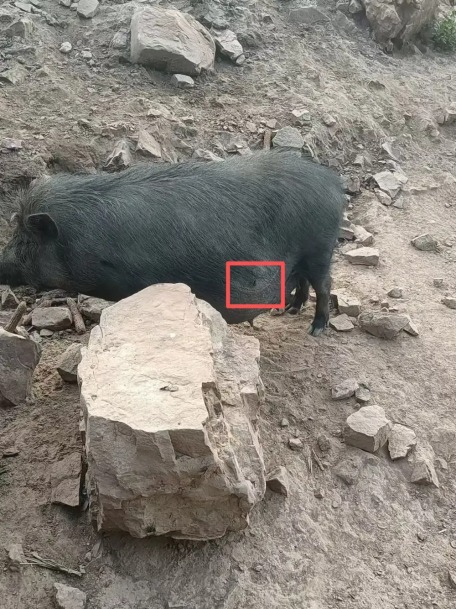
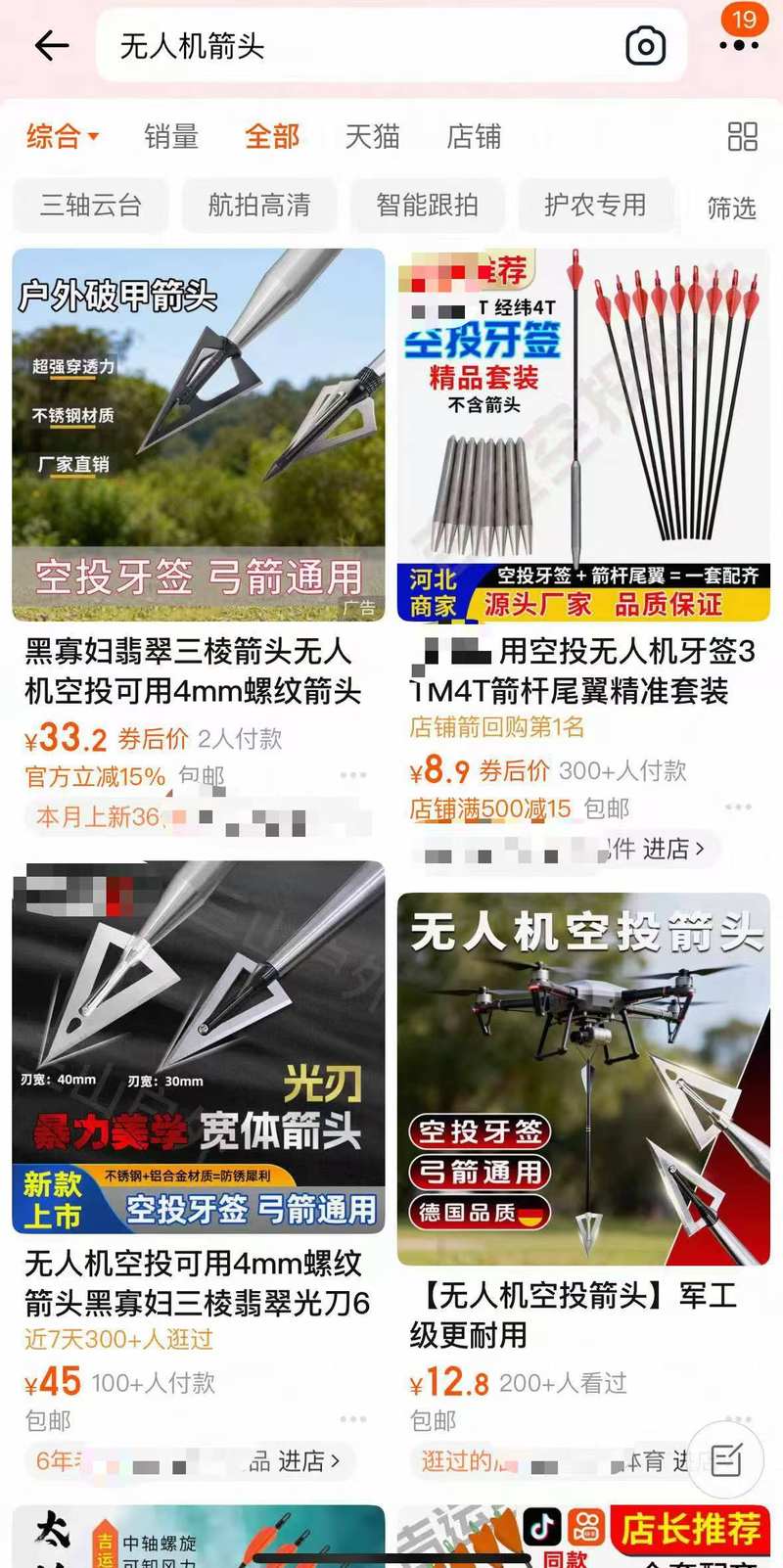
Core Viewpoint - The rise of drone-assisted hunting in China, particularly targeting livestock and protected species, poses significant ecological and safety risks, prompting calls for stricter regulations and enforcement [3][6][17]. Group 1: Incidents of Drone Hunting - Farmers across China, including Wang Zhenming in Liaoning, have reported livestock being injured or killed by drones equipped with metal arrows, leading to substantial financial losses [2][4]. - The use of drones for hunting has escalated since wild boars were removed from the protected species list, leading to a surge in hunting activities using advanced technology [3][5]. - Videos of drone hunting are proliferating on social media platforms, with individuals showcasing their hunting exploits, further normalizing this behavior [3][8]. Group 2: Legal and Regulatory Challenges - Current laws do not adequately address the use of drones as hunting tools, leading to a regulatory gap that allows such practices to continue unchecked [16][17]. - Legal experts indicate that while hunting wild boars is no longer universally protected, local governments have varying regulations, complicating enforcement [7][15]. - The lack of specific legislation regarding drone hunting tools creates challenges for law enforcement, as existing laws primarily focus on traditional hunting methods [16][17]. Group 3: Economic Impact on Farmers - Wang Zhenming estimates losses of around 30,000 yuan due to injuries sustained by his pigs, with affected animals producing significantly fewer offspring [4][5]. - The financial implications extend beyond individual farmers, potentially affecting local economies reliant on livestock farming [4][5]. Group 4: Availability of Hunting Equipment - Drone hunting equipment, including metal arrows, is readily available for purchase online, often without any regulatory oversight or required qualifications [9][10]. - The low cost of these hunting tools, with complete sets available for as little as 25 yuan, raises concerns about accessibility and misuse [9][10]. Group 5: Ecological and Safety Concerns - Experts warn that the unchecked use of drones for hunting could lead to severe ecological damage and increased risks to public safety, as the technology can easily target unintended victims [8][15]. - The potential for drones to cause harm to humans, as evidenced by near-misses during hunting attempts, highlights the urgent need for regulatory action [8][15].

“今天扎野猪 明天可能就扎到人” 无人机搭载25元一套“牙签”狩猎 对野猪、家畜无差别射杀
Xin Jing Bao· 2025-11-17 23:46
Core Viewpoint - The rise of drone-assisted hunting, particularly targeting livestock and protected species, poses significant ecological and safety risks, prompting calls for stricter regulations and enforcement [1][5][10]. Group 1: Incidents of Drone Hunting - Farmers in various regions of China, including Wang Zhenming in Liaoning, have reported losses due to livestock being attacked by drones equipped with metal arrows, leading to financial damages amounting to tens of thousands of yuan [1][2]. - The use of drones for hunting has escalated since wild boars were removed from the protected species list, resulting in a surge of illegal hunting activities [5][6]. - Reports indicate that not only livestock but also protected wildlife are being targeted, with incidents of drone hunting leading to severe injuries and fatalities among animals [3][10]. Group 2: Technology and Accessibility - Drones equipped with thermal imaging and capable of carrying heavy metal arrows are easily accessible, with complete kits available for as little as 25 yuan on e-commerce platforms [10][12]. - The technology allows hunters to locate and target animals at night, significantly increasing the efficiency and lethality of hunting practices [5][9]. - The lack of regulatory oversight on drone usage for hunting has led to widespread adoption of this method, with many individuals engaging in illegal hunting without proper qualifications [11][19]. Group 3: Legal and Regulatory Challenges - Current laws do not adequately address the use of drones as hunting tools, leading to a legal gray area where such practices can occur without significant repercussions [18][19]. - Legal experts suggest that drone hunting could potentially violate laws against illegal hunting and property damage, depending on the circumstances and targets involved [16][17]. - There is a pressing need for updated legislation to classify drone-mounted hunting tools as illegal, to prevent further ecological damage and ensure public safety [19][20].