以危险方法危害公共安全罪

Search documents
最高法:严某聪吸毒后驾车撞击他人致死,后驾车逃离连续冲撞多人,共致4人死亡,被判死刑
Xin Lang Cai Jing· 2026-02-13 04:52
Core Viewpoint - The Supreme People's Court of China has released its first batch of guiding cases on criminal traffic safety, specifically focusing on the case of Yan Moucong, who was sentenced to death for endangering public safety through dangerous methods [1][3]. Group 1: Case Background - Yan Moucong purchased drugs and consumed them multiple times before driving, resulting in a fatal accident that killed four individuals and caused significant property damage [2][6]. - The incident occurred on August 22, 2021, when Yan, under the influence of drugs, crashed into multiple vehicles and pedestrians at high speeds, leading to severe injuries and fatalities [2][8]. Group 2: Judicial Outcome - The Guangdong Intermediate People's Court sentenced Yan to death on July 28, 2022, for endangering public safety, a decision upheld by the Guangdong High People's Court and later confirmed by the Supreme People's Court [3][4]. - The Supreme People's Court's final ruling on January 20, 2025, affirmed the death penalty, emphasizing the severity of Yan's actions and their consequences [3][7]. Group 3: Legal Reasoning - The court determined that Yan's actions constituted endangering public safety rather than mere traffic offenses, as he knowingly drove under the influence of drugs, which impaired his ability to operate a vehicle safely [5][6]. - The legal framework indicates that driving under the influence of drugs, especially after experiencing severe hallucinations, demonstrates a willful disregard for public safety, warranting a severe penalty [5][7]. Group 4: Sentencing Justification - The court highlighted the extreme nature of Yan's crimes, including the high number of casualties and the reckless manner in which he operated the vehicle, justifying the application of the death penalty [7][8]. - The ruling reflects a strict approach to drug-related offenses, particularly those that result in significant harm to others, reinforcing the legal stance on public safety [7][8].
8000米“黑飞”:谁在闯高空?
Xin Lang Cai Jing· 2026-02-08 18:30
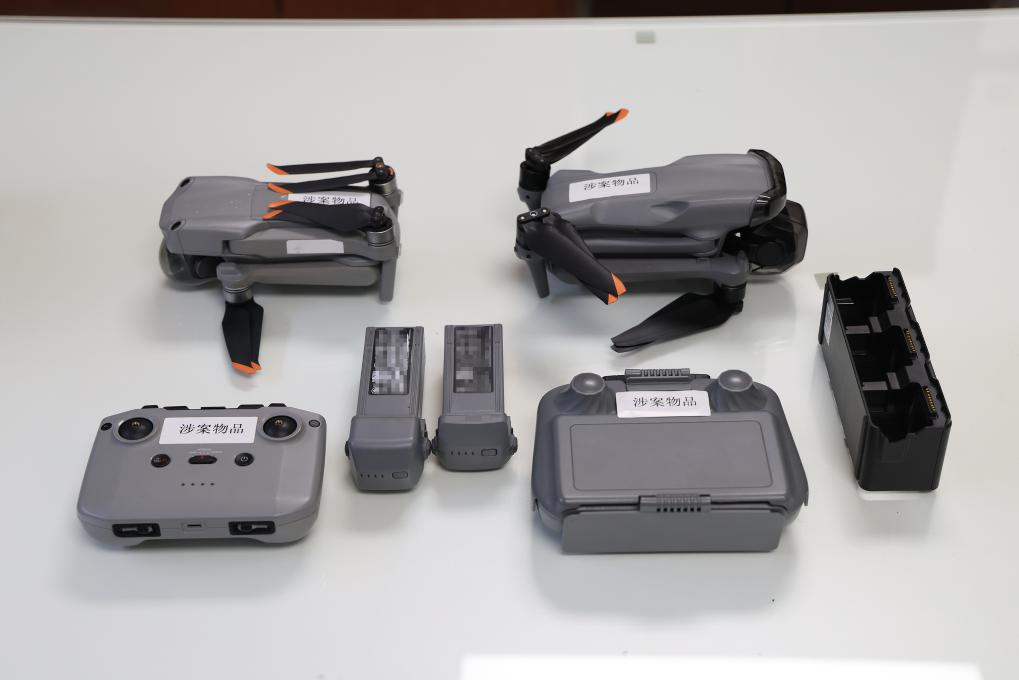
Core Viewpoint - A recent case in Zhongshan, Guangdong, involved a suspect who illegally operated a drone at altitudes exceeding 8000 meters, posing significant risks to public safety and aviation security [1][2]. Group 1: Incident Overview - The suspect, identified as Li, conducted over 20 illegal drone flights from August to December 2025, with multiple flights surpassing 6000 meters and two exceeding 8000 meters [2][3]. - The drone flights occurred near major airports, including Guangzhou Baiyun, Shenzhen Baoan, and Zhuhai Jinwan, raising serious aviation safety concerns [2]. Group 2: Legal Implications - Li's actions were classified as endangering public safety under criminal law, as they involved unauthorized high-altitude drone operations near civil aviation routes [4]. - The legal definition of endangering public safety includes various dangerous methods, and the risk posed by Li's drone flights was deemed sufficient to warrant criminal charges [4]. Group 3: Aviation Safety Risks - The daily flight operations in the Pearl River Delta region average nearly 3000 takeoffs and landings, with the illegal drone flights occurring just hundreds of meters from established flight paths [5]. - The risk of collision between drones and commercial aircraft increases exponentially as drones approach flight routes, highlighting the urgent need for stricter enforcement of aviation regulations [5].
拍案·打击无人机“黑飞”丨8000米“黑飞”:谁在闯高空?
Xin Hua She· 2026-02-05 22:54
Core Viewpoint - The article highlights a serious incident involving illegal drone flights in Guangdong, where an individual conducted over 20 unauthorized high-altitude flights, reaching heights exceeding 8000 meters, posing significant risks to public safety and aviation security [1][2][3]. Group 1: Incident Overview - A suspect was apprehended for operating a drone illegally, having flown it to heights that intersect with commercial airliner cruising altitudes, creating a major aviation safety hazard [2][10]. - The suspect, identified as Li, was found to have conducted these flights from August to December 2025, with multiple instances exceeding 6000 meters and two instances surpassing 8000 meters [3][4]. - The police response included immediate action from the Guangdong Provincial Public Security Department, leading to the suspect's arrest and the seizure of the drone and remote control equipment [2][5]. Group 2: Legal Implications - Li's actions are classified as a criminal offense under Article 114 of the Criminal Law, which pertains to endangering public safety through dangerous methods [4][9]. - The legal framework for addressing such drone violations includes both administrative penalties and potential criminal charges, depending on the severity and risk posed by the actions [9]. - The case underscores the legal interpretation of "other dangerous methods" that can threaten public safety, as unauthorized drone flights near aviation routes can lead to catastrophic accidents [9][10]. Group 3: Technical and Safety Concerns - The article discusses the technical aspects of drone operation, noting that standard drones are manufactured with height restrictions that Li circumvented through illegal modifications [6][8]. - The risks associated with drone collisions with commercial aircraft are highlighted, with simulations indicating severe damage to aircraft at high altitudes, emphasizing the critical nature of adhering to flight regulations [9][10]. - The article calls for increased awareness and compliance among drone operators regarding flight regulations, particularly in controlled airspace, to ensure public safety [10].

一家三口被撞身亡案肇事车司机被判死缓:事发前与女友因“鹦鹉何时开始学舌”吵架;女友曾惊呼并劝阻:我错了,前面有人,慢点
Mei Ri Jing Ji Xin Wen· 2026-01-09 12:32
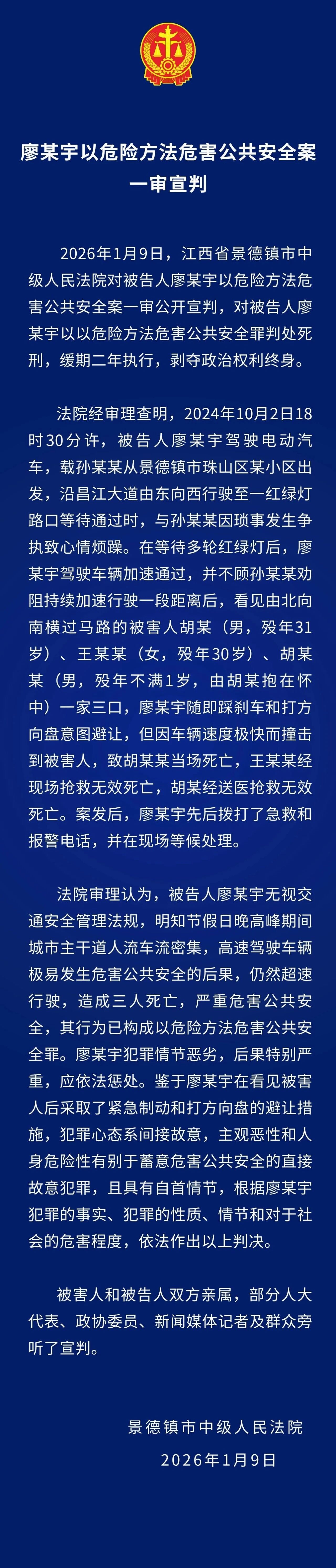
Core Viewpoint - The court sentenced Liao Mouyu to death with a two-year reprieve for endangering public safety, resulting in the deaths of three individuals due to reckless driving during a peak traffic period [1][2][8]. Summary by Relevant Sections Incident Details - On October 2, 2024, Liao Mouyu drove an electric vehicle at high speed through a busy intersection, leading to a fatal collision with a family crossing the street, resulting in the immediate deaths of three individuals: Hu (31 years old), Wang (30 years old), and Hu (under 1 year old) [1][10]. Legal Findings - The court found that Liao's actions constituted a serious violation of traffic safety regulations, as he knowingly drove at excessive speeds in a densely populated area, which posed a significant risk to public safety [2][5]. - The court determined that Liao's behavior was characterized by indirect intent, as he did not actively seek to harm the victims but acted recklessly under emotional distress [6][8]. Sentencing Rationale - The court's decision to impose a death sentence with a two-year reprieve was based on the severity of the crime, the particularly serious consequences, and Liao's acknowledgment of his actions post-incident, which constituted a form of self-surrender [7][8]. - The court emphasized that Liao's actions were not merely negligent but demonstrated a blatant disregard for public safety, especially given the context of driving during a holiday peak period [5][8]. Public and Legal Reactions - The victims' family expressed a strong desire for justice, indicating they would pursue an appeal against the sentence, reflecting the societal impact and sensitivity surrounding the case [16].

关于“景德镇一家三口被撞身亡案”,法院发布判后答疑
Xin Lang Cai Jing· 2026-01-09 09:24
Core Viewpoint - The case involves the defendant, Liao Mouyu, who was found guilty of endangering public safety through dangerous driving, resulting in the death of three individuals. The court determined that Liao's actions constituted indirect intent rather than negligence, leading to a sentence of death with a two-year reprieve [2][3][5]. Group 1: Criminal Behavior and Intent - Liao Mouyu's behavior of driving at a speed of 128.96 km/h in a zone with a speed limit of 40 km/h during a peak holiday period posed a severe threat to public safety, resulting in three fatalities [5]. - The distinction between direct and indirect intent was highlighted, with Liao lacking a motive to intentionally harm the victims, thus categorizing his mindset as indirect intent [3][4]. - The court noted that Liao's subsequent actions, such as attempting to brake and steer away from the victims, did not alter the initial assessment of his mindset during the dangerous driving [2][4]. Group 2: Legal Proceedings and Sentencing - Liao Mouyu was recognized for having self-reported his actions by calling emergency services and remaining at the scene, which constituted a confession under legal definitions [4]. - The court's decision to impose a death sentence with a two-year suspension was based on the severity of the crime, the indirect intent, and the presence of mitigating factors such as the confession [5]. - The ruling emphasized that while Liao's actions were extremely dangerous, his mindset and cooperation with authorities warranted a sentence that was not immediately executed [5].

江西景德镇一家三口被撞身亡案一审宣判,法院答疑
Yang Shi Wang· 2026-01-09 02:34
Core Viewpoint - The court has sentenced Liao Mouyu to death with a two-year reprieve for endangering public safety through reckless driving, resulting in three fatalities. The judgment emphasizes Liao's indirect intent and the severe consequences of his actions during a peak traffic period [5][6]. Group 1: Case Background - Liao Mouyu was aware of the vehicle's acceleration capabilities and the speed limits on the main road in Jingdezhen, where he drove recklessly during a holiday peak time, indicating a disregard for public safety [2][3]. - The incident occurred on a busy urban main road, where Liao's actions posed a significant and unpredictable danger to the public, ultimately leading to three deaths [3][4]. Group 2: Legal Findings - The court determined that Liao's mindset constituted indirect intent rather than negligence, as he continued to accelerate despite knowing the risks involved [3][4]. - Liao's actions were not motivated by a desire to harm the victims, as he had no prior relationship with them and was in a distressed state due to a personal dispute [4][5]. Group 3: Sentencing Rationale - The court's decision to impose a death sentence with a two-year suspension was based on the severity of Liao's actions, which included exceeding the speed limit of 40 km/h by reaching 128.96 km/h [5][6]. - Liao's cooperation with authorities post-incident, including calling for help and remaining at the scene, was recognized as a mitigating factor contributing to the self-surrender classification [5][6].

景德镇一家三口被撞案一审宣判 肇事司机廖某宇被判处死缓
Yang Shi Xin Wen· 2026-01-09 02:21
Core Viewpoint - The court sentenced Liao Mouyu to death with a two-year reprieve for endangering public safety, resulting in the deaths of three individuals due to reckless driving [1][2][6] Group 1: Incident Details - On October 2, 2024, Liao Mouyu drove an electric vehicle with a passenger, and after a dispute, he accelerated through a red light, leading to a collision with pedestrians [1][5] - The incident resulted in the immediate death of Hu Mou (31 years old), Wang Mou (30 years old), and Hu Mou (under 1 year old) [1][6] Group 2: Court's Rationale - The court found that Liao Mouyu ignored traffic safety regulations, knowing that high-speed driving in a crowded area could lead to severe consequences, which constituted a crime of endangering public safety [2][6] - The court acknowledged Liao's attempt to brake and steer away from the victims, indicating a mindset of indirect intent rather than direct malice, which influenced the sentencing [2][6]
广西一小区车辆被砸出大坑,“凶器”重达6公斤!业主们慌了
Xin Lang Cai Jing· 2025-12-27 12:30
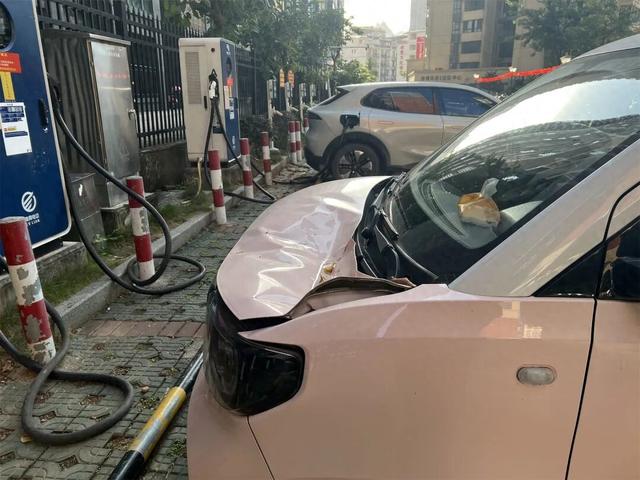
Core Viewpoint - The incidents of falling fire extinguishers from high-rise buildings in Hechi, Guangxi, have raised significant safety concerns among residents, highlighting the inadequacies in property management and safety measures in high-rise residential areas [1][4][18]. Group 1: Incident Details - Two fire extinguishers, each weighing 6.1 kilograms, fell from a residential building within two hours, causing damage to a vehicle parked 8 meters away [1][4]. - The first incident occurred at 3:14 PM, followed by a second incident at 5:34 PM, with both extinguishers originating from the same building [6][4]. - The vehicle owner expressed shock and fear, noting that the vehicle had never been involved in a major accident before [4][18]. Group 2: Safety Concerns - Observations revealed that the building from which the extinguishers fell had inadequate safety measures, including insufficient fire extinguisher numbers and easily accessible windows [9][7]. - The lack of surveillance cameras in key public areas contributed to the inability to identify the responsible party for the incidents [16]. - The physical barriers to prevent falling objects were deemed inadequate, with open windows and unprotected ledges posing significant risks [9][16]. Group 3: Legal Implications - The law stipulates that individuals who throw objects from heights can face criminal charges, including potential imprisonment for severe cases [18]. - Victims have the right to claim full compensation for damages from the responsible party, which could include the property management if safety measures were not adequately implemented [18]. - In cases where the perpetrator cannot be identified, property management may bear the financial responsibility for damages, highlighting the importance of effective safety protocols [18].
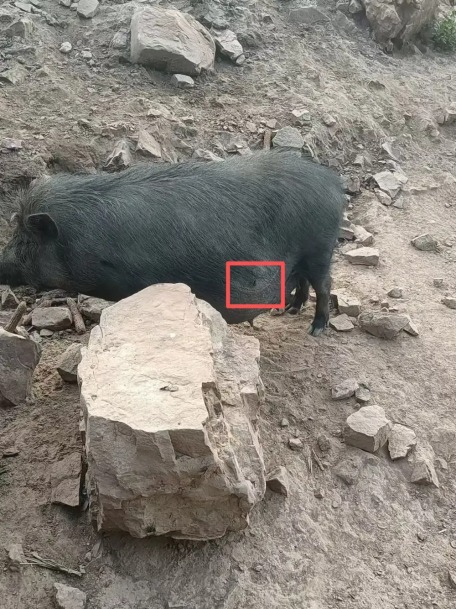
“今天扎野猪,明天可能就扎到人”,无人机搭载利刃狩猎或涉犯罪
Xin Jing Bao· 2025-11-18 00:46
Core Viewpoint - The rise of drone-assisted hunting in China, particularly targeting livestock and protected species, poses significant ecological and safety risks, prompting calls for stricter regulations and enforcement [3][6][17]. Group 1: Incidents of Drone Hunting - Farmers across China, including Wang Zhenming in Liaoning, have reported livestock being injured or killed by drones equipped with metal arrows, leading to substantial financial losses [2][4]. - The use of drones for hunting has escalated since wild boars were removed from the protected species list, leading to a surge in hunting activities using advanced technology [3][5]. - Videos of drone hunting are proliferating on social media platforms, with individuals showcasing their hunting exploits, further normalizing this behavior [3][8]. Group 2: Legal and Regulatory Challenges - Current laws do not adequately address the use of drones as hunting tools, leading to a regulatory gap that allows such practices to continue unchecked [16][17]. - Legal experts indicate that while hunting wild boars is no longer universally protected, local governments have varying regulations, complicating enforcement [7][15]. - The lack of specific legislation regarding drone hunting tools creates challenges for law enforcement, as existing laws primarily focus on traditional hunting methods [16][17]. Group 3: Economic Impact on Farmers - Wang Zhenming estimates losses of around 30,000 yuan due to injuries sustained by his pigs, with affected animals producing significantly fewer offspring [4][5]. - The financial implications extend beyond individual farmers, potentially affecting local economies reliant on livestock farming [4][5]. Group 4: Availability of Hunting Equipment - Drone hunting equipment, including metal arrows, is readily available for purchase online, often without any regulatory oversight or required qualifications [9][10]. - The low cost of these hunting tools, with complete sets available for as little as 25 yuan, raises concerns about accessibility and misuse [9][10]. Group 5: Ecological and Safety Concerns - Experts warn that the unchecked use of drones for hunting could lead to severe ecological damage and increased risks to public safety, as the technology can easily target unintended victims [8][15]. - The potential for drones to cause harm to humans, as evidenced by near-misses during hunting attempts, highlights the urgent need for regulatory action [8][15].
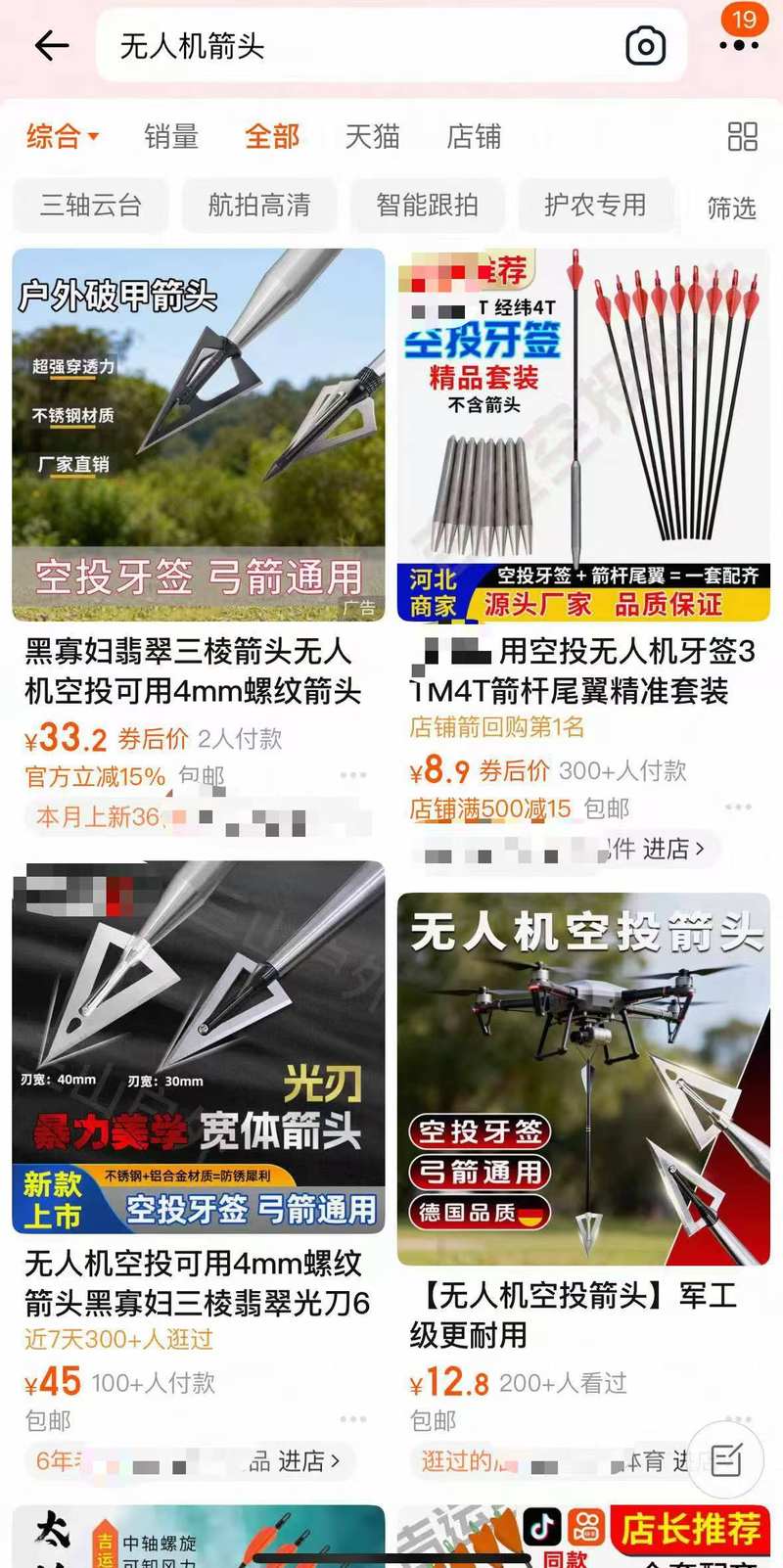
“今天扎野猪 明天可能就扎到人” 无人机搭载25元一套“牙签”狩猎 对野猪、家畜无差别射杀
Xin Jing Bao· 2025-11-17 23:46
Core Viewpoint - The rise of drone-assisted hunting, particularly targeting livestock and protected species, poses significant ecological and safety risks, prompting calls for stricter regulations and enforcement [1][5][10]. Group 1: Incidents of Drone Hunting - Farmers in various regions of China, including Wang Zhenming in Liaoning, have reported losses due to livestock being attacked by drones equipped with metal arrows, leading to financial damages amounting to tens of thousands of yuan [1][2]. - The use of drones for hunting has escalated since wild boars were removed from the protected species list, resulting in a surge of illegal hunting activities [5][6]. - Reports indicate that not only livestock but also protected wildlife are being targeted, with incidents of drone hunting leading to severe injuries and fatalities among animals [3][10]. Group 2: Technology and Accessibility - Drones equipped with thermal imaging and capable of carrying heavy metal arrows are easily accessible, with complete kits available for as little as 25 yuan on e-commerce platforms [10][12]. - The technology allows hunters to locate and target animals at night, significantly increasing the efficiency and lethality of hunting practices [5][9]. - The lack of regulatory oversight on drone usage for hunting has led to widespread adoption of this method, with many individuals engaging in illegal hunting without proper qualifications [11][19]. Group 3: Legal and Regulatory Challenges - Current laws do not adequately address the use of drones as hunting tools, leading to a legal gray area where such practices can occur without significant repercussions [18][19]. - Legal experts suggest that drone hunting could potentially violate laws against illegal hunting and property damage, depending on the circumstances and targets involved [16][17]. - There is a pressing need for updated legislation to classify drone-mounted hunting tools as illegal, to prevent further ecological damage and ensure public safety [19][20].