革命历史题材创作

Search documents
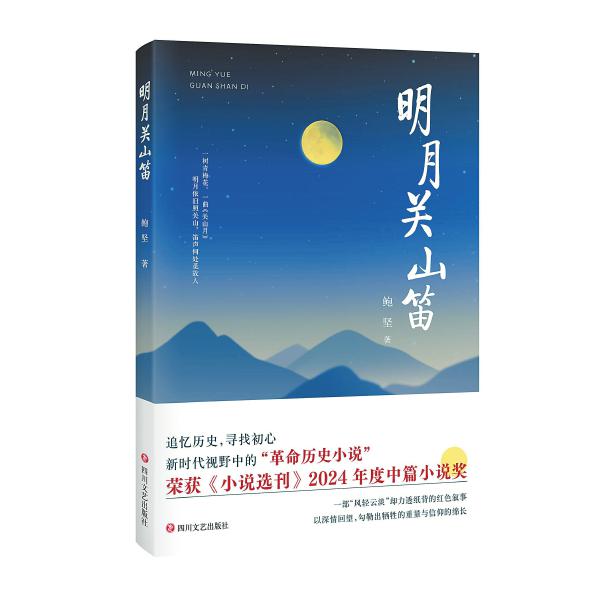
于家常叙说中打捞历史的温度
Xin Lang Cai Jing· 2026-02-19 21:59
Core Perspective - The article discusses the book "Mingyue Guanshan Di" by author A Lai, which presents a fresh approach to writing about revolutionary history by using personal narratives and cultural artifacts to make history relatable and alive [2][3][4]. Summary by Sections Historical Narrative - The book contrasts traditional grand narratives of revolution with intimate family dialogues, allowing readers to connect with history through personal stories rather than distant heroic figures [2][3]. - It emphasizes that revolutionary events are not just distant legends but are embedded in the lives and memories of ordinary people [4]. Cultural Artifacts - The use of old objects and the song "Guanshan Yue" serves as a backbone for the historical narrative, providing tangible evidence that grounds the stories in reality [4][5]. - The evolution of "Guanshan Yue" reflects the broader cultural history of China, linking past and present through its changing forms [5][6]. Heroism and Legacy - The book highlights that many unsung heroes contributed to revolutionary success, emphasizing that heroism can be found in the everyday lives of ordinary individuals [5][6]. - It argues that true understanding of heroism comes from recognizing the quiet strength of those who may not have achieved fame but whose contributions are invaluable [6]. Cultural Continuity - The narrative situates revolutionary history within the broader context of Chinese culture, illustrating how cultural continuity has shaped national identity and resilience [6]. - The book suggests that effective revolutionary narratives should not merely replicate history but should bring it to life through the memories of ordinary people and cultural heritage [6].

恪守秘密的选择
Xin Lang Cai Jing· 2026-02-12 22:40
Core Viewpoint - The article emphasizes the importance of revolutionary historical literature in responding to and transcending the current era, while also addressing the challenges of content homogenization and character flatness in recent literary works [3][7]. Group 1: Literature and Historical Context - Revolutionary historical literature serves to witness history, pass on memories, educate, and inspire, playing a crucial role in the ideological foundation for the great rejuvenation of the Chinese nation [3][4]. - Recent literary works, including films, have struggled with originality and depth, often neglecting the audience's growing aesthetic demands for narrative creativity and psychological depth [3][6]. Group 2: The Novel "Secret" - The core narrative of the novel "Secret" revolves around the life of the anti-Japanese hero Zhao Yiman, detailing her experiences from capture to martyrdom, enriched by various perspectives and memories [4][5]. - The novel employs a layered narrative structure that enhances emotional engagement, allowing readers to connect with the characters' burdens and secrets [5][6]. Group 3: Themes of Heroism and Suffering - The article discusses how revolutionary literature often highlights heroism while overshadowing the accompanying wounds and tragedies, suggesting a need to focus on the human aspects of these heroes [6][7]. - "Secret" explores the theme of keeping secrets and the associated costs, portraying the emotional and psychological struggles of its characters, which resonate across different historical periods [6][7]. Group 4: Future Directions for Revolutionary Literature - The article calls for a departure from symbolic and homogenized narratives in revolutionary literature, advocating for a return to authentic portrayals of characters and events that reflect human nature and the brilliance of life [7]. - "Secret" is presented as a potential new paradigm for contemporary revolutionary literature, emphasizing innovation in themes, content, and narrative techniques to meet the aesthetic needs of the audience [7].
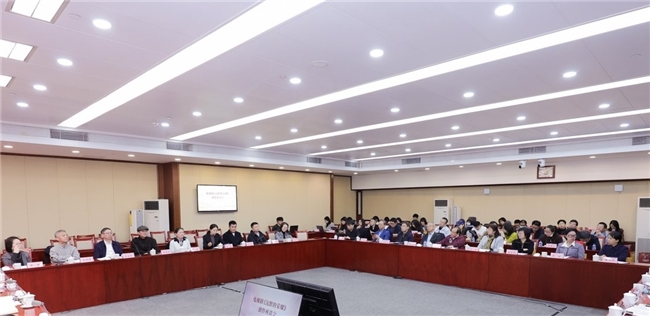
以真实铸信仰、以影像聚人心,爱奇艺《沉默的荣耀》创作座谈会在京举行
Sou Hu Wang· 2025-10-28 09:29
Core Viewpoint - The creation of the TV drama "Silent Glory" is a significant cultural project supported by various government bodies, aiming to honor historical heroes and promote national unity, particularly in the context of Taiwan's historical narrative [1][27][30]. Group 1: Creative Process and Themes - The drama is characterized by a deep historical restoration, aiming to create a vivid dialogue between heroes and the audience, reflecting the trend of national unity and the emotional resonance of the audience [3][4]. - The creative team emphasizes four core principles: authenticity, emotional connection, intellectual engagement, and historical reflection, which have contributed to the show's success and appeal to younger audiences [4][30]. - The production has achieved a completion rate of 78%, with 55.4% of viewers being under 35 years old, indicating its strong attraction to younger demographics [4]. Group 2: Cultural and Social Impact - The success of "Silent Glory" is seen as a reflection of the commitment to creating art that resonates with the people, reinforcing the spirit of heroism and national identity [6][32]. - The drama has sparked discussions about historical truths and the importance of recognizing the sacrifices made by historical figures, particularly in the context of Taiwan's history [27][30]. - Experts have praised the series for its artistic value and social impact, highlighting its ability to evoke deep emotional responses and convey the enduring spirit of faith and heroism [18][20][23]. Group 3: Future Directions and Initiatives - The production is viewed as a catalyst for further cultural initiatives, with plans to enhance the creation of red-themed artistic works and promote the historical narratives of local heroes [35][37]. - There is a call for continued collaboration between provinces to leverage local resources and talent in producing high-quality cultural content that reflects national values [28][33]. - The meeting emphasized the importance of using storytelling to convey positive spiritual values and contribute to the cultural strength and unity of the nation [37].