
韩美战略投资

Search documents
特朗普“抱怨”进展太慢后,韩国加速通过对美投资法案
第一财经· 2026-03-18 08:31
Core Viewpoint - South Korea has accelerated the review of the U.S. investment law following complaints from U.S. President Trump, with the National Assembly recently approving a strategic investment plan of approximately $350 billion aimed at the U.S. market, which increases South Korea's strategic dependence on the U.S. and reduces its economic policy autonomy [3][6]. Group 1: Legislative Developments - The South Korean government has passed the "Special Law on Strategic Investment Management for Korea-U.S. Relations" to ensure the implementation of a $350 billion investment commitment to the U.S. [3][6]. - The law was approved unanimously by the National Assembly and is designed to facilitate the investment plan, which includes $150 billion for the shipbuilding industry and $200 billion for enhancing economic and national security projects [6][8]. Group 2: Economic Implications - The establishment of the "Korea-U.S. Strategic Investment Corporation" with a government investment of 20 trillion won aims to support the $350 billion investment projects [6]. - The investment plan is seen as a response to U.S. trade and tariff pressures, with potential benefits for South Korea's allies, but it raises concerns about the long-term impact on South Korea's economic independence [3][8]. Group 3: Trade Relations and Challenges - Despite the legislative progress, trade tensions between South Korea and the U.S. remain high, with the U.S. initiating a new round of "Section 301" investigations targeting key industries, including pharmaceuticals and technology [9]. - The South Korean government is committed to maintaining close consultations with the U.S. to balance the benefits achieved through the existing tariff agreements [9]. Group 4: Market Reactions and Risks - The recent volatility of the Korean won, influenced by rising international oil prices and geopolitical tensions, has added pressure on South Korean companies considering large-scale investments in the U.S. [10]. - Companies are reassessing the costs and benefits of their U.S. investment projects due to currency fluctuations and ongoing financial market uncertainties [10].

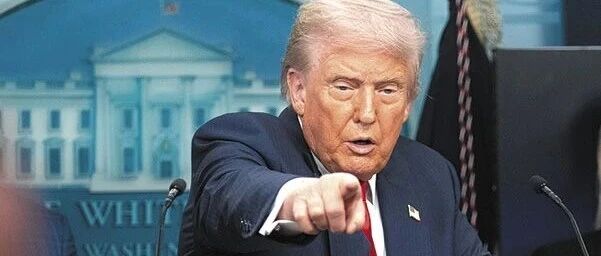
美对韩产汽车及汽车零部件关税自本月1日起降至15%
Yang Shi Xin Wen· 2025-11-26 06:52
Core Points - The South Korean ruling party, the Democratic Party, submitted the "Korea-US Strategic Investment Management Special Act" to the National Assembly on November 26, which includes the establishment of a Korea-US Strategic Investment Fund and a management corporation for the fund [1] - As part of the agreement between South Korea and the US, tariffs on South Korean automobiles and auto parts were reduced to 15% starting from December 1 [1] - This legislative move follows the signing of the "Korea-US Strategic Investment Memorandum of Understanding" on November 14, which outlines the outcomes of tariff and national security negotiations [1] Legislative Details - The bill was presented by the Democratic Party's floor leader, Kim Byeong-ki, as a follow-up to the strategic investment memorandum signed by the two countries [1] - The memorandum includes a commitment from South Korea to invest $150 billion in the US shipbuilding sector and an additional $200 billion in other investments [1] - The agreement specifies that products with tariffs already at or above 15% will not incur additional tariffs, while those below 15% will have their tariffs raised to 15% [1] Tariff Adjustments - The US will adjust tariffs on South Korean products such as automobiles, auto parts, and timber to 15% under Section 232 of the Trade Expansion Act [1] - The 15% tariff will take effect from the first day of the month in which South Korea submits the relevant bill to the National Assembly [1]