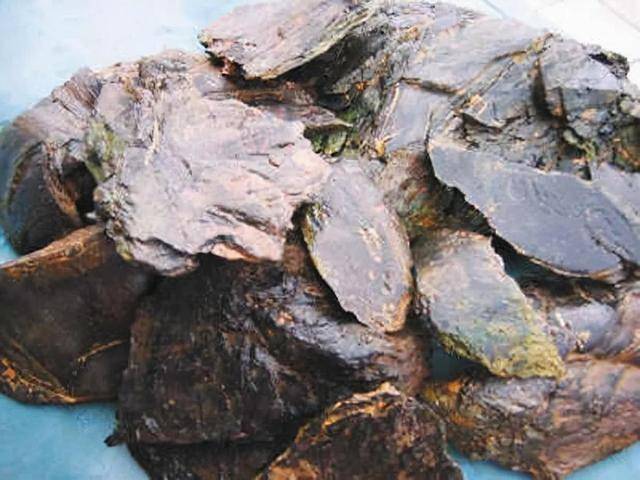
页岩油开采

Search documents
突破170万吨 我国首个国家级陆相页岩油示范区年产量创新高
Yang Shi Xin Wen Ke Hu Duan· 2025-12-08 23:36
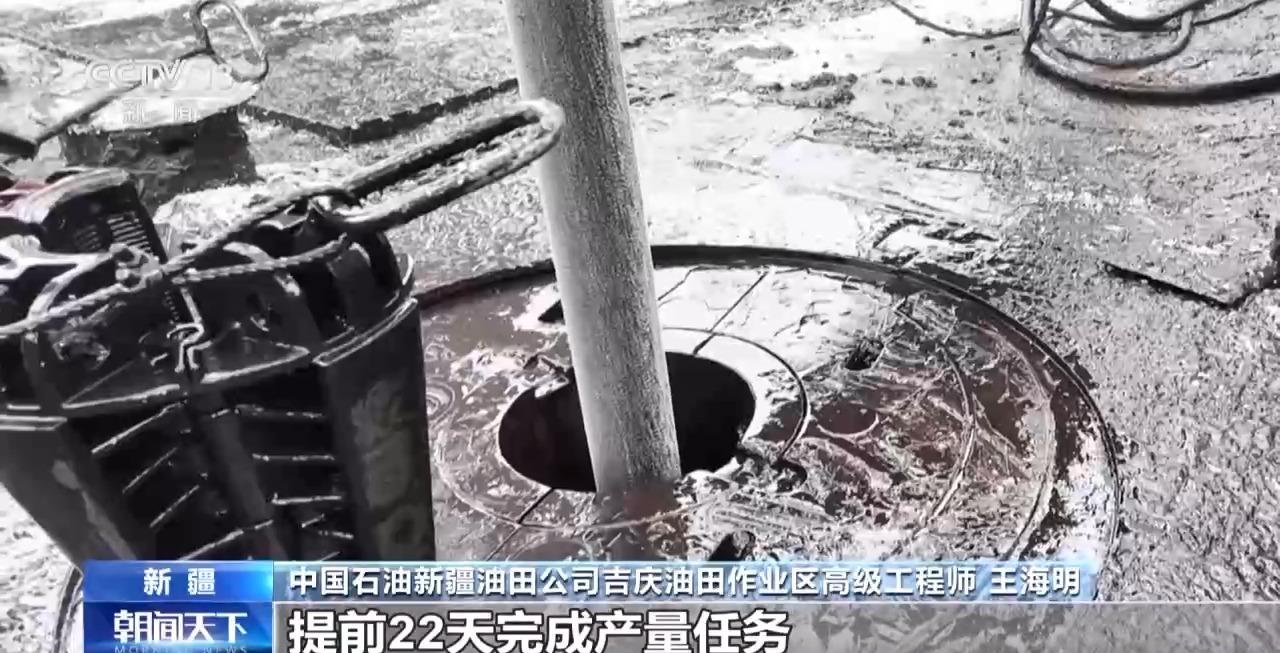
中国石油新疆油田公司吉庆油田作业区高级工程师 王海明:2020年以来,我们累计新钻井472口,压裂451口,推动示范区年产量从2019年的11.6万吨增产到 今年的170万吨以上,提前22天完成产量任务。 新疆吉木萨尔国家级陆相页岩油示范区页岩油深埋在3800米的地下,属于典型的陆相沉积,具有厚度薄、孔渗低、黏度高等特点,目前示范区的产量和效率 等核心指标达到行业领先水平。责任编辑:李梦一 相关稿件: 今天,我国首个国家级陆相页岩油示范区——吉木萨尔国家级陆相页岩油示范区提前完成建设任务目标,年产量首次突破170万吨,创历史新高。 页岩油是赋存于页岩层系中的石油资源,其渗透率仅为常规油藏的万分之一,开采难度极高。位于新疆准噶尔盆地东部的吉木萨尔国家级陆相页岩油示范 区,面积1278平方公里,资源量超过10亿吨。截至目前,示范区年产量首次突破170万吨,创历史同期最高水平,累计产量已突破530万吨。 ...

Insight: Shale rigs idle, layoffs rise as $60 oil tests resilience of Permian
Reuters· 2025-11-21 11:10
Core Insights - The U.S. shale industry, particularly in Texas, is experiencing an increase in oil production, indicating a positive trend in the sector [1] Industry Summary - Oil production in Texas is climbing, reflecting growth in the U.S. shale industry [1] - Despite the increase in production, local businesses, such as tool and safety equipment stores, may not be feeling the benefits directly [1]
中国页岩油储量巨大,为什么不大力开采,抑制油价?
Sou Hu Cai Jing· 2025-06-26 10:18
Core Viewpoint - The article discusses the impact of shale oil production in the United States, highlighting its role in stabilizing oil prices and reducing dependence on Middle Eastern oil, while contrasting it with China's challenges in shale oil extraction. Group 1: Shale Oil Production in the U.S. - After two oil crises, the U.S. decided to significantly increase shale oil production to stabilize oil prices and became a major global shale oil exporter [1][5] - U.S. shale oil production reached 6.8 million barrels per day in 2008 and is projected to reach 22.71 million barrels per day in 2024, allowing the U.S. to become one of the largest oil exporters globally, supplying over 10% of the world's oil [7] - The U.S. has successfully reduced its reliance on Middle Eastern oil, maintaining a stable supply even amidst regional conflicts [7][21] Group 2: Comparison with China's Shale Oil Production - China has significant shale oil reserves, estimated at 4.393 billion tons, ranking third globally, yet it continues to import large quantities of oil [10] - The depth of shale layers in China generally exceeds 3,000 meters, making extraction more challenging compared to the U.S., where shale layers are typically between 800 to 2,500 meters deep [12] - Water scarcity is a critical issue for shale oil extraction in China, particularly in regions like the Junggar Basin, where annual rainfall is below 200 mm, complicating the hydraulic fracturing process [14][16] Group 3: Economic Considerations - The cost of extracting shale oil in China is significantly higher, ranging from $80 to $100 per barrel, compared to $40 to $60 per barrel in the U.S., making it less economically viable [18][21] - The importance of oil extends beyond fuel, as it is a key raw material for various industrial products, emphasizing the need for strategic oil imports to safeguard domestic resources for future use [23][25][27]