食品谣言辟谣

Search documents
8月谣言榜丨“无籽西瓜含激素”“冷冻蔬菜没营养”假的!
Bei Ke Cai Jing· 2025-09-04 14:47
Group 1 - Seedless watermelon is a popular choice for families in summer, but there are rumors about it containing hormones, which raises consumer concerns [1] - The truth is that seedless watermelon, specifically triploid watermelon, is created through hybridization and does not involve hormone intervention [2] - The nutritional content of seedless watermelon is similar to that of regular watermelon, and products from legitimate sources meet food safety standards [2] Group 2 - There are claims that frozen vegetables lack nutrition, but rapid freezing preserves their nutritional value effectively [3] - Frozen vegetables retain higher levels of vitamins and minerals compared to fresh vegetables stored at room temperature due to reduced oxidation and bacterial activity [3] Group 3 - There is a misconception that eggs should be washed before storage, but it is generally unnecessary and can increase food safety risks [4] - The natural protective layer on eggs helps prevent bacteria from entering, making washing counterproductive [4] Group 4 - The belief that dried goods have no shelf life is incorrect; they can still contain moisture and may spoil if not stored properly [5][6] - Dried foods can harbor bacteria and pests, necessitating timely consumption to avoid spoilage [5][6] Group 5 - There are concerns about irradiated foods containing nuclear radiation, but these foods are safe to consume as the radiation used does not leave harmful residues [7] - Irradiation is a controlled process that effectively kills bacteria and extends shelf life without introducing new radioactive substances [7]
4月谣言榜丨只吃水煮菜能减肥?掉色西红柿是人工染色?假的
Bei Ke Cai Jing· 2025-05-07 09:15
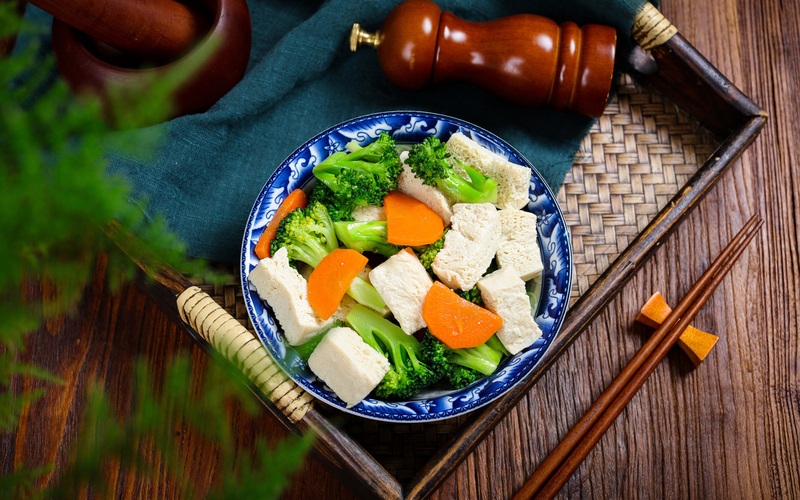
Group 1 - The article addresses various food-related rumors circulating in April, debunking myths about diet and food safety [1] - It emphasizes that solely eating boiled vegetables may not guarantee weight loss and could lead to nutritional deficiencies [3] - The claim that discolored tomatoes are artificially dyed is refuted, explaining that such discoloration is due to physical damage during transport [4] Group 2 - The belief that shorter ingredient lists indicate safer food products is challenged, clarifying that food safety is not directly related to the length of the ingredient list [5][6] - The notion that longer shelf life means more preservatives is also debunked, as shelf life is influenced by various factors beyond just preservatives [7] - The white powder on blueberries is identified as natural wax rather than pesticide residue, reassuring consumers about the safety of the fruit [8]