
冷冻蔬菜

Search documents
2025年克罗地亚食品价格涨幅位居欧盟前列
Shang Wu Bu Wang Zhan· 2026-02-11 17:36
Core Insights - The average food price in the EU is projected to rise by 2.8% in 2025, with Croatia experiencing a significantly higher inflation rate of 4.5% compared to major economies like France, which has an inflation rate of only 0.7% [1] Group 1: Price Increases by Country - Romania leads with the highest food price increase at 6.7%, while Switzerland is the only country reporting a decrease in food prices at -1.1% [1] Group 2: Specific Food Item Price Changes - Chocolate prices in the EU have increased by an average of 17.8%, with Croatia's increase at 15% [1] - Beef prices have surged by 22%, and frozen vegetable prices have risen by 20%, both approximately double the EU average [1] - Basic agricultural products such as eggs (+8.4%), butter (+8.3%), and fresh milk (+5.7%) have also seen widespread price increases across the EU [1] Group 3: Price Decreases in Certain Items - Olive oil prices have significantly decreased by 22.9%, while sugar and cooking oil have also seen notable price reductions of -11% and -5.4% respectively [1]
“桃屋食品”珠海工厂项目开工,2027年3月试运营投产
Nan Fang Du Shi Bao· 2025-10-29 04:44
Core Insights - The groundbreaking ceremony for the construction of the Taowu (Guangdong) Food Co., Ltd. factory took place in the Zhuhai Economic Development Zone on October 28 [1] - The project aims to introduce advanced Japanese automated canning production lines to produce a variety of products including canned vegetables, condiments, frozen vegetables, fried vegetables, dehydrated vegetables, pickled vegetables, and canned seafood [3] - The total investment for the project is 180 million yuan, with an expected trial operation date in March 2027 [3] - The establishment of this project is expected to enhance international industrial cooperation in the Gaolan Port Comprehensive Bonded Zone and inject new momentum into the region's foreign trade and food processing industry upgrades [3] - The Zhuhai Economic Development Zone is committed to providing comprehensive and high-quality services to support the company's growth and contribute to the high-quality development of the Gaolan Port Comprehensive Bonded Zone [3]


印度拟借税改提升竞争力
Jing Ji Ri Bao· 2025-10-09 22:20
Core Points - The Indian Goods and Services Tax (GST) reform has officially come into effect, simplifying the tax structure from four rates to two rates of 5% and 18% [1] - The reform aims to reduce the financial burden on households and ease operations for businesses, aligning with the "Make in India" initiative [2] Tax Structure Changes - The new tax structure eliminates the 12% tax bracket, lowering the tax rates for most goods previously under this category to 5% [1] - Essential items like milk, flour, and cheese remain exempt or at a low 5% tax rate, while many daily consumer goods benefit from the tax reduction [1] Economic Implications - The tax reform is expected to inject new momentum into the Indian economy by reducing compliance burdens for small and medium enterprises (SMEs) [2] - A survey by the Federation of Indian Chambers of Commerce & Industry (FICCI) indicates that over 60% of SMEs view complex tax rates as a major operational hurdle [2] - The reduction in tax rates may lead to a decrease in the Consumer Price Index (CPI) by 0.2 to 0.4 percentage points, providing some relief from persistent inflation [2] Challenges and Concerns - Despite the potential benefits, the reform poses challenges, including a possible reduction in government revenue that could hinder fiscal consolidation and debt reduction efforts [3] - There are concerns regarding the execution of the policy, particularly with states expressing dissatisfaction over tax revenue distribution and perceived loss of fiscal autonomy [3] - Technical issues such as frequent network failures and invoice matching problems remain unresolved, which could affect the implementation of the simplified tax system [4] Long-term Outlook - The tax reform is seen as a significant step for the Modi government in achieving its vision of a stronger India, but its long-term success will depend on balancing fiscal pressures, technological upgrades, and central-state coordination [4] - The ability of the government to maintain the reform's effectiveness will be crucial for advancing the "Make in India" strategy and enhancing India's position in the global value chain [4]
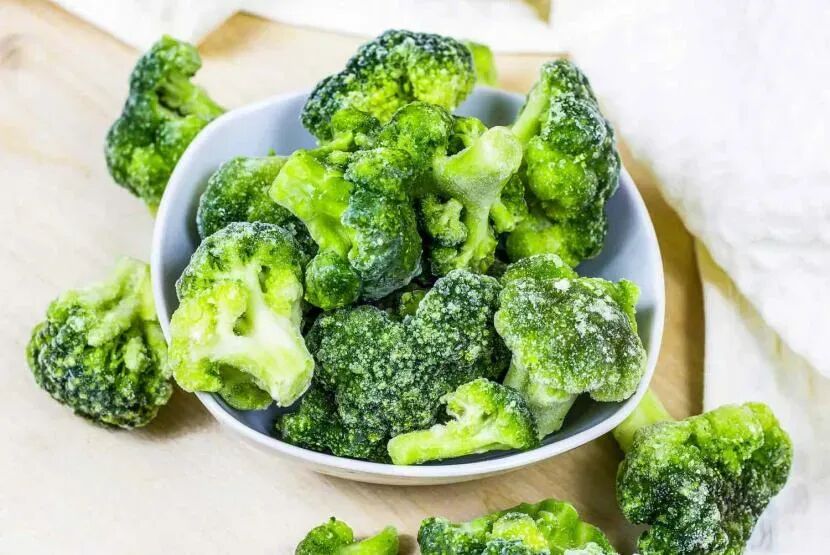
西贝冷冻西兰花引热议,冷冻蔬菜意外从“幕后”走向“台前”?
3 6 Ke· 2025-09-18 01:50
Core Insights - The recent use of frozen broccoli by Xibei has sparked discussions about food safety, nutrition, pricing, and consumer experience, highlighting the need for more transparent information beyond marketing claims [1] Market Overview - The global frozen vegetable market is projected to grow from $57 billion in 2025 to $102.3 billion by 2035, with a compound annual growth rate (CAGR) of 6% [3] - Japan is expected to have the fastest growth in the frozen vegetable market, with a CAGR of 6.1% from 2025 to 2035, driven by an aging population, high demand for convenience foods, and strong retail cold chain infrastructure [3] Consumer Perspective - Frozen vegetables serve as emergency food for consumers, providing nutritional balance when fresh options are limited [5] - Experts emphasize that frozen produce can be a viable choice if fresh vegetables are not consumed within a few days, as freezing preserves nutrients effectively [5] - Consumers are increasingly aware of nutritional content and seek more information about frozen vegetables as alternatives to fresh produce [19] B2B Insights - For food service businesses, processed frozen vegetables require less preparation and offer stable supply chains, making them suitable for large-scale procurement [7] - The nutritional quality of frozen vegetables can be superior to fresh produce that has undergone lengthy transportation and storage processes [7] Agricultural Impact - Utilizing frozen vegetable processing can help prevent waste by providing a market for surplus fresh produce that cannot be sold in time [8] - The frozen vegetable market can also help balance supply in regions facing shortages of fresh produce [8] Quality and Processing - The quality of frozen vegetables is influenced by storage, cold chain transport, thawing, and cooking processes, necessitating careful handling to maintain nutritional value [8] - The freezing process involves several steps, including harvesting at peak maturity, cleaning, blanching, quick freezing, and packaging, all of which are crucial for preserving quality [10][12][14] Consumer Education - Consumers are encouraged to choose frozen vegetables without added sauces or salt for better nutritional value and to be mindful of storage practices to maintain quality [33] - Retail prices of frozen vegetables are often competitive with fresh options, making them an attractive choice for consumers seeking convenience and value [23][32] Industry Innovations - Brands are diversifying their frozen vegetable offerings to enhance consumer experience, with new product lines being introduced to meet growing demand [22] - Advances in freezing technology, appealing packaging, and improved cold chain logistics are essential for enhancing product quality and shelf life [21] Conclusion - The shift of frozen vegetables from a background role to a more prominent position in the market reflects changing consumer preferences and the need for brands to engage transparently with their customers [36]
8月谣言榜丨“无籽西瓜含激素”“冷冻蔬菜没营养”假的!
Bei Ke Cai Jing· 2025-09-04 14:47
Group 1 - Seedless watermelon is a popular choice for families in summer, but there are rumors about it containing hormones, which raises consumer concerns [1] - The truth is that seedless watermelon, specifically triploid watermelon, is created through hybridization and does not involve hormone intervention [2] - The nutritional content of seedless watermelon is similar to that of regular watermelon, and products from legitimate sources meet food safety standards [2] Group 2 - There are claims that frozen vegetables lack nutrition, but rapid freezing preserves their nutritional value effectively [3] - Frozen vegetables retain higher levels of vitamins and minerals compared to fresh vegetables stored at room temperature due to reduced oxidation and bacterial activity [3] Group 3 - There is a misconception that eggs should be washed before storage, but it is generally unnecessary and can increase food safety risks [4] - The natural protective layer on eggs helps prevent bacteria from entering, making washing counterproductive [4] Group 4 - The belief that dried goods have no shelf life is incorrect; they can still contain moisture and may spoil if not stored properly [5][6] - Dried foods can harbor bacteria and pests, necessitating timely consumption to avoid spoilage [5][6] Group 5 - There are concerns about irradiated foods containing nuclear radiation, but these foods are safe to consume as the radiation used does not leave harmful residues [7] - Irradiation is a controlled process that effectively kills bacteria and extends shelf life without introducing new radioactive substances [7]