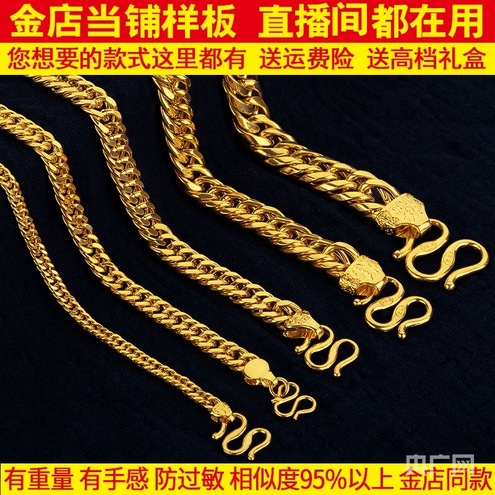
首饰性皮炎

Search documents
重金属超标!这种首饰别再戴了!
Sou Hu Cai Jing· 2025-11-27 00:38
Core Viewpoint - The article highlights the health risks associated with wearing alloy jewelry, particularly the occurrence of "jewelry dermatitis" due to allergic reactions from metals like nickel and cadmium found in low-quality jewelry [1][3][12]. Group 1: Health Risks - "Jewelry dermatitis" is a skin condition caused by prolonged contact with jewelry, especially in individuals with allergic tendencies [3]. - The presence of heavy metals such as nickel and cadmium in jewelry is a significant factor contributing to allergic reactions [3][12]. - Approximately 15% to 20% of the population is allergic to nickel, which is commonly found in low-quality jewelry [12]. Group 2: Market Investigation - Investigations in various wholesale markets revealed that many jewelry items are priced based on bulk rather than weight, with prices for bracelets ranging from tens to hundreds of yuan [1][4]. - A significant number of jewelry items do not meet the required thickness standards for gold and silver plating, with 17 out of 21 samples failing to meet these standards [7][10]. - The actual metal content in many items is primarily copper, zinc, and nickel, rather than the claimed gold or silver [10]. Group 3: Consumer Misleading Practices - Some merchants falsely label their products with gold and silver markings, despite the actual metal content being significantly lower than advertised [15][17]. - Certain products were found to have cadmium levels exceeding safety standards by over 9000 times, posing serious health risks [12][14]. - Merchants often use misleading marketing tactics, including fake certification and testing reports, to deceive consumers about the quality of their products [18]. Group 4: Regulatory Recommendations - There is a call for increased supervision and enforcement from regulatory bodies and e-commerce platforms to ensure product quality and protect public health [20]. - Consumers are advised to be cautious about the materials used in low-priced jewelry and to consider the potential health risks associated with heavy metal exposure [20].


一级致癌物,超标9000倍!低价饰品被曝光,美丽外表下的健康雷区
Sou Hu Cai Jing· 2025-11-25 02:56
Core Viewpoint - The article highlights the health risks associated with alloy jewelry, particularly the prevalence of allergic reactions due to the presence of heavy metals like nickel and cadmium in these products [3][5][7]. Group 1: Health Risks - Patients at Peking University People's Hospital have been diagnosed with "jewelry dermatitis" due to prolonged wear of alloy jewelry, leading to symptoms such as skin redness, itching, and peeling [3]. - The primary culprits for allergic reactions are heavy metals found in jewelry, with nickel and cadmium being significant offenders [5][7]. - A significant number of jewelry samples tested showed that 17 out of 21 did not meet the required thickness standards for gold and silver plating, with some items having plating thicknesses far below the industry standards [5]. Group 2: Market Practices - Many jewelry items are sold at low prices, often misleading consumers regarding their material composition, with some items falsely labeled as gold or silver [5][9]. - Some merchants use deceptive practices, such as marking jewelry with high-purity indicators like "999" or "S925," while the actual metal content is significantly lower [7][12]. - The rise of live-stream selling has led to the distribution of substandard jewelry, with consumers expressing concerns over the authenticity of products being sold [9][12]. Group 3: Consumer Awareness and Regulation - The China Consumers Association reported a 43% increase in complaints related to jewelry, with 72% of these complaints concerning material misrepresentation [11]. - Experts suggest simple testing methods for consumers to check the authenticity of jewelry, although these methods may damage the items [11]. - Regulatory bodies are planning to initiate special inspections to combat fraudulent labeling of jewelry, particularly those claiming to be made of precious metals when they are not [12].
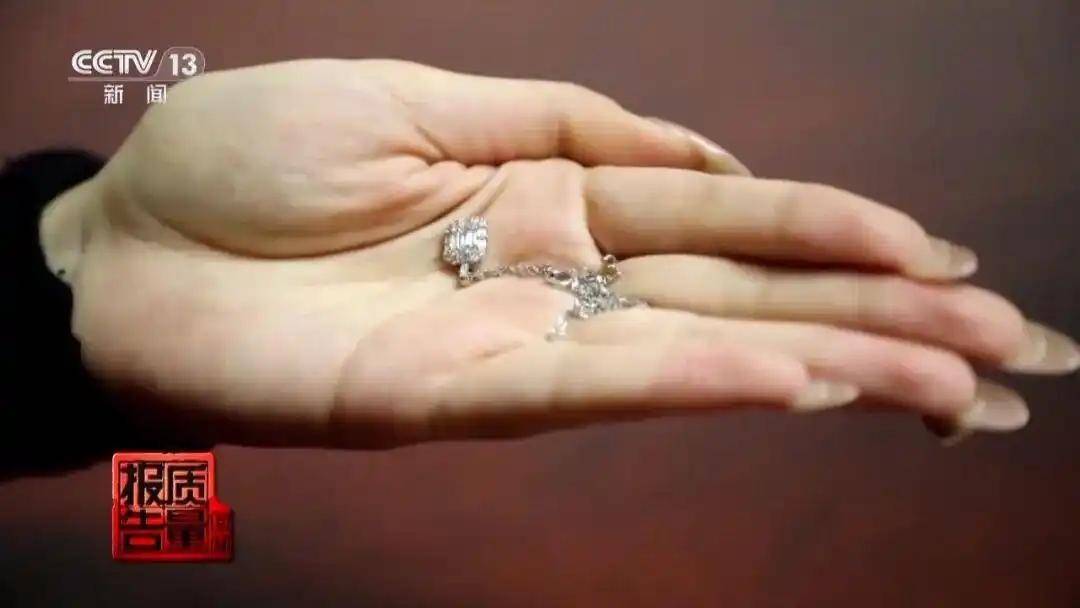
一级致癌物超标9000多倍!这些首饰戴久了有害健康
新华网财经· 2025-11-24 01:21
Core Viewpoint - The article highlights the health risks associated with wearing alloy jewelry, particularly the occurrence of "jewelry dermatitis" due to allergic reactions from metals like nickel and cadmium found in low-quality jewelry [1][3][5]. Material Quality and Standards - The occurrence of jewelry dermatitis is closely linked to the materials used in jewelry, with heavy metals such as nickel and cadmium being primary culprits [5][14]. - Many jewelry items marketed as gold or silver may actually contain undetectable heavy metal components, leading to skin issues for consumers [5][12]. - A market investigation revealed that many jewelry pieces are sold at low prices, with wholesale prices for bangles ranging from tens to hundreds of yuan, which raises concerns about material quality [5][12]. Testing and Findings - A study conducted on 21 jewelry samples showed that 17 items failed to meet the required thickness standards for gold and silver plating, with some items having gold layers as thin as 0.03 microns, far below the 0.5-micron standard [12][11]. - One sample labeled as "silver" had a silver layer of only 0.24 microns, significantly below the 2-micron requirement, indicating a lack of compliance with industry standards [12][9]. - Alarmingly, a sample from a Guangzhou market showed cadmium levels exceeding the legal limit by over 9000 times, posing serious health risks [14][17]. Consumer Misleading Practices - Some merchants falsely label their products with gold and silver markings, misleading consumers about the actual metal content [19][21]. - The presence of misleading purity marks like "999" and "S925" on alloy jewelry does not guarantee the quality or safety of the products, as many do not meet the claimed standards [19][22]. - Consumers are advised to be cautious about the potential health risks associated with low-cost jewelry, particularly regarding material mislabeling and heavy metal contamination [24].
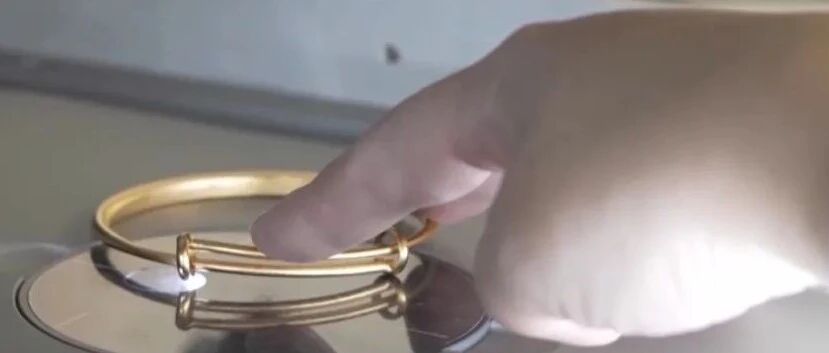
女子戴项链被诊断为“首饰性皮炎” 低价合金首饰暗藏健康隐患
Yang Guang Wang· 2025-08-25 07:47
Core Viewpoint - The rising popularity of alloy jewelry, characterized by its attractive appearance and low price, has led to health concerns, particularly regarding "jewelry dermatitis" caused by prolonged wear of such items [1][3][4] Group 1: Market Trends - Alloy jewelry is becoming a consumer favorite due to its high aesthetic appeal and affordability, particularly among younger demographics with limited financial resources [1][3] - The market for "sand gold" jewelry is also expanding, with some merchants claiming monthly sales exceeding 100,000 units, despite the lack of clarity regarding its actual material composition [5][6] Group 2: Health Concerns - Prolonged use of alloy jewelry can lead to "jewelry dermatitis," a type of contact dermatitis triggered by metals like nickel and chromium found in low-quality jewelry [3][4][5] - The presence of harmful elements in jewelry can exceed national safety standards, leading to skin irritation and allergic reactions, especially during summer when skin is more exposed [4][8] Group 3: Consumer Advice - Consumers are advised to check the composition of alloy jewelry before purchase and to avoid long-term wear without breaks to minimize the risk of skin reactions [5][9] - It is recommended to purchase jewelry from reputable brands and to be cautious of low-priced items that may contain harmful materials [9]