镀金镀银饰品

Search documents
一级致癌物,超标9000倍!低价饰品被曝光,美丽外表下的健康雷区
Sou Hu Cai Jing· 2025-11-25 02:56
Core Viewpoint - The article highlights the health risks associated with alloy jewelry, particularly the prevalence of allergic reactions due to the presence of heavy metals like nickel and cadmium in these products [3][5][7]. Group 1: Health Risks - Patients at Peking University People's Hospital have been diagnosed with "jewelry dermatitis" due to prolonged wear of alloy jewelry, leading to symptoms such as skin redness, itching, and peeling [3]. - The primary culprits for allergic reactions are heavy metals found in jewelry, with nickel and cadmium being significant offenders [5][7]. - A significant number of jewelry samples tested showed that 17 out of 21 did not meet the required thickness standards for gold and silver plating, with some items having plating thicknesses far below the industry standards [5]. Group 2: Market Practices - Many jewelry items are sold at low prices, often misleading consumers regarding their material composition, with some items falsely labeled as gold or silver [5][9]. - Some merchants use deceptive practices, such as marking jewelry with high-purity indicators like "999" or "S925," while the actual metal content is significantly lower [7][12]. - The rise of live-stream selling has led to the distribution of substandard jewelry, with consumers expressing concerns over the authenticity of products being sold [9][12]. Group 3: Consumer Awareness and Regulation - The China Consumers Association reported a 43% increase in complaints related to jewelry, with 72% of these complaints concerning material misrepresentation [11]. - Experts suggest simple testing methods for consumers to check the authenticity of jewelry, although these methods may damage the items [11]. - Regulatory bodies are planning to initiate special inspections to combat fraudulent labeling of jewelry, particularly those claiming to be made of precious metals when they are not [12].

镉超标9000多倍,“银”以为美实则“毒”不可言 | 新京报快评
Sou Hu Cai Jing· 2025-11-24 12:56
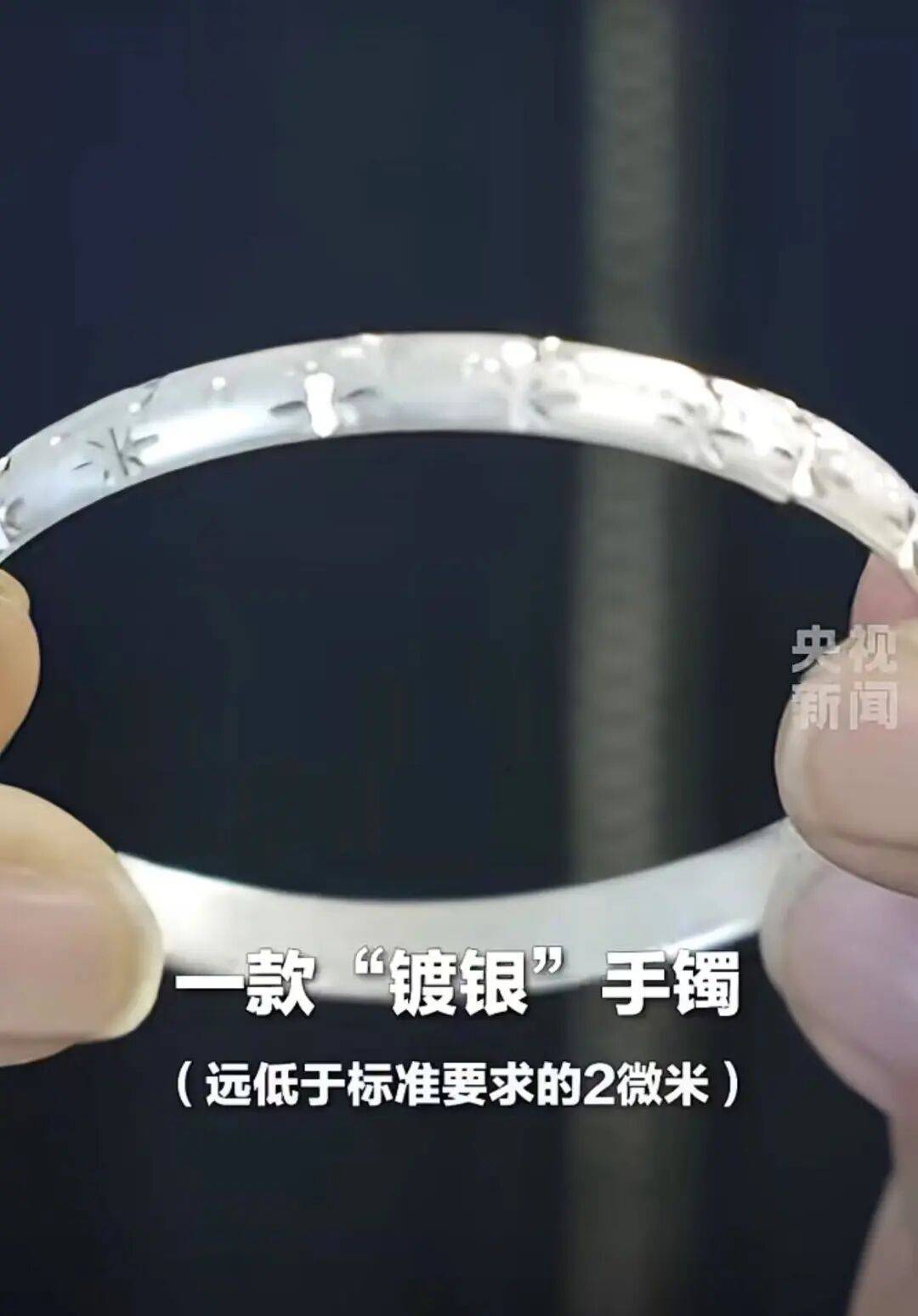
Core Viewpoint - The article highlights the health risks associated with low-quality jewelry that is falsely marketed as gold or silver-plated, revealing that many such products do not meet the required standards and may contain harmful heavy metals [3][4][5]. Group 1: Product Quality Issues - Many jewelry items marketed as gold or silver-plated do not meet the required thickness standards for precious metal coatings, with 17 out of 21 samples tested failing to meet these standards [4]. - Specific examples include a "silver-plated" bracelet with a silver coating of only 0.24 micrometers, far below the required 2 micrometers, and a "gold-plated" bracelet with a gold coating of only 0.03 micrometers, well below the required 0.5 micrometers [4]. Group 2: Health Risks - Some jewelry items contain hazardous heavy metals, such as cadmium, which can pose significant health risks. One tested pair of earrings labeled as S925 silver was found to have cadmium levels exceeding the standard by over 9000 times [5][6]. - Cadmium is recognized as a highly toxic heavy metal and classified as a Group 1 carcinogen by the International Agency for Research on Cancer [5]. Group 3: Market Regulation and Consumer Awareness - The prevalence of low-quality jewelry in wholesale markets and on e-commerce platforms underscores the urgent need for stricter regulation and oversight of the jewelry market [8]. - Regulatory authorities are urged to enhance supervision and impose penalties on businesses that engage in false advertising and substandard product offerings [8]. - Consumers are advised to exercise caution and prioritize quality and safety over low prices when selecting jewelry [9].