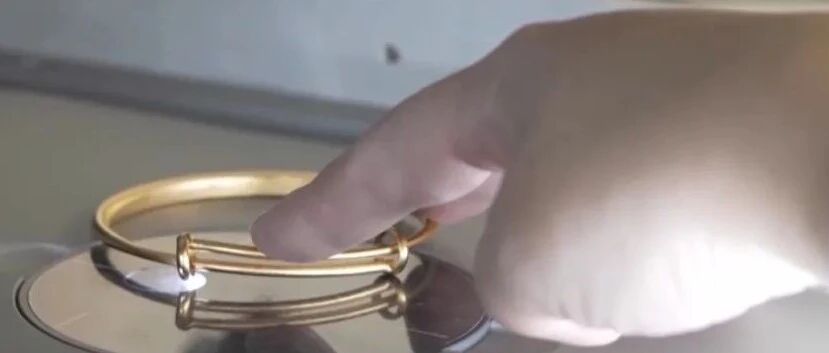
合金饰品

Search documents
实探黄金税改“满月”的深圳水贝:金价渐稳回归常态 有商家改卖银饰、钻石
Zheng Quan Shi Bao· 2025-12-02 00:54
Core Viewpoint - The gold jewelry business in Shenzhen's Shui Bei market showed a slight decline in November compared to October, but it is not as "cold" as portrayed in online videos [1] Market Conditions - The market trading order remains stable, with most merchants operating normally and the pricing mechanism and payment processes returning to normal [1] - As of November 30, the price of gold jewelry in the Shui Bei market reached approximately 1105 RMB per gram, which is nearly 150 RMB higher than the international gold price [1] Consumer Behavior - Consumers are actively inquiring about prices, and merchants are enhancing explanations to promote "informed consumption" [1] - Some counters display pricing structures that include "market gold price + processing fee + tax" [1] Price Comparison - On the same day, the price of branded gold jewelry at stores like Chow Tai Fook was around 1300 RMB per gram, with promotional discounts available [1] - The price gap between Shui Bei market gold jewelry and branded gold jewelry has gradually narrowed [1] Business Adaptation - Some small and medium-sized merchants are diversifying their offerings by shifting from gold jewelry to silver, diamonds, and alloy jewelry to cope with market fluctuations [1]
实探黄金税改“满月”的深圳水贝: 金价渐稳回归常态 有商家改卖银饰钻石
Zheng Quan Shi Bao Wang· 2025-12-01 23:10
Core Insights - The gold market in Shenzhen's Shui Bei is adapting to new tax policies, with businesses and consumers gradually adjusting to the changes [1][3][4] Group 1: Market Response to Tax Reform - The introduction of new tax policies on gold has led to initial confusion in pricing, causing fluctuations in gold jewelry prices, with daily price differences reaching nearly 50 yuan [1] - As of November 30, the price of gold jewelry in Shui Bei reached approximately 1105 yuan per gram, which is about 150 yuan higher than the international gold price [2] - The price gap between Shui Bei's gold jewelry and branded gold stores like Chow Tai Fook has narrowed, with branded jewelry priced around 1300 yuan per gram [2] Group 2: Business Adaptation Strategies - Some merchants in Shui Bei are exploring diversification by shifting from gold jewelry to selling silver, diamonds, and alloy products to cope with market fluctuations [3] - Retailers are considering strategies such as "exchange" programs, allowing customers to swap old gold jewelry for new pieces by paying only the labor cost [2] - Companies are increasing their investment in product innovation and design, with one firm reporting a doubling of R&D investment compared to the previous year [3]
重金属超标!这种首饰别再戴了!
Sou Hu Cai Jing· 2025-11-27 00:38
Core Viewpoint - The article highlights the health risks associated with wearing alloy jewelry, particularly the occurrence of "jewelry dermatitis" due to allergic reactions from metals like nickel and cadmium found in low-quality jewelry [1][3][12]. Group 1: Health Risks - "Jewelry dermatitis" is a skin condition caused by prolonged contact with jewelry, especially in individuals with allergic tendencies [3]. - The presence of heavy metals such as nickel and cadmium in jewelry is a significant factor contributing to allergic reactions [3][12]. - Approximately 15% to 20% of the population is allergic to nickel, which is commonly found in low-quality jewelry [12]. Group 2: Market Investigation - Investigations in various wholesale markets revealed that many jewelry items are priced based on bulk rather than weight, with prices for bracelets ranging from tens to hundreds of yuan [1][4]. - A significant number of jewelry items do not meet the required thickness standards for gold and silver plating, with 17 out of 21 samples failing to meet these standards [7][10]. - The actual metal content in many items is primarily copper, zinc, and nickel, rather than the claimed gold or silver [10]. Group 3: Consumer Misleading Practices - Some merchants falsely label their products with gold and silver markings, despite the actual metal content being significantly lower than advertised [15][17]. - Certain products were found to have cadmium levels exceeding safety standards by over 9000 times, posing serious health risks [12][14]. - Merchants often use misleading marketing tactics, including fake certification and testing reports, to deceive consumers about the quality of their products [18]. Group 4: Regulatory Recommendations - There is a call for increased supervision and enforcement from regulatory bodies and e-commerce platforms to ensure product quality and protect public health [20]. - Consumers are advised to be cautious about the materials used in low-priced jewelry and to consider the potential health risks associated with heavy metal exposure [20].

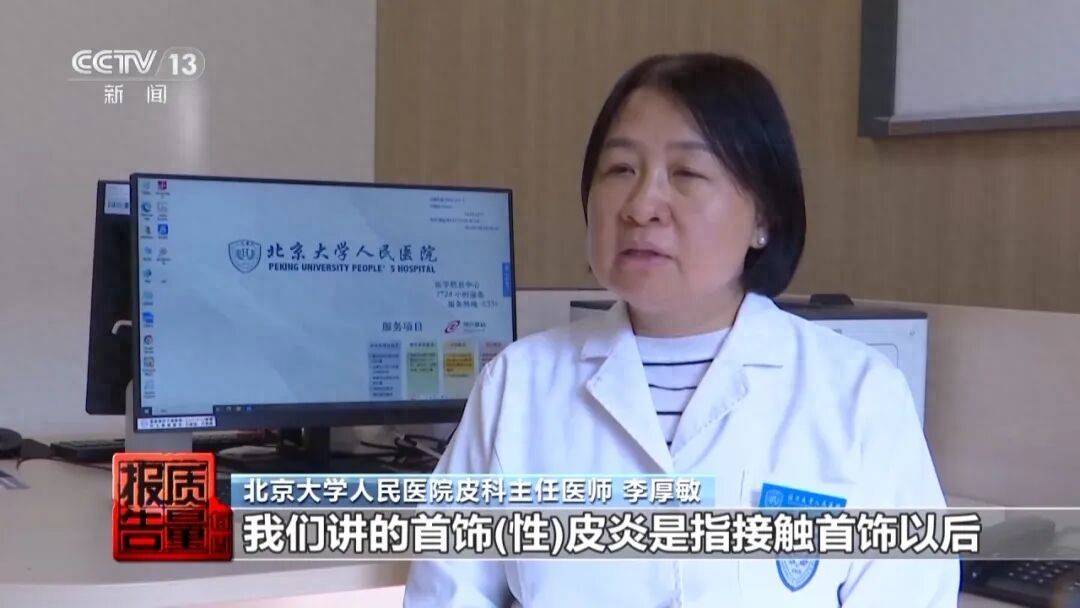
一级致癌物,超标9000倍!低价饰品被曝光,美丽外表下的健康雷区
Sou Hu Cai Jing· 2025-11-25 02:56
Core Viewpoint - The article highlights the health risks associated with alloy jewelry, particularly the prevalence of allergic reactions due to the presence of heavy metals like nickel and cadmium in these products [3][5][7]. Group 1: Health Risks - Patients at Peking University People's Hospital have been diagnosed with "jewelry dermatitis" due to prolonged wear of alloy jewelry, leading to symptoms such as skin redness, itching, and peeling [3]. - The primary culprits for allergic reactions are heavy metals found in jewelry, with nickel and cadmium being significant offenders [5][7]. - A significant number of jewelry samples tested showed that 17 out of 21 did not meet the required thickness standards for gold and silver plating, with some items having plating thicknesses far below the industry standards [5]. Group 2: Market Practices - Many jewelry items are sold at low prices, often misleading consumers regarding their material composition, with some items falsely labeled as gold or silver [5][9]. - Some merchants use deceptive practices, such as marking jewelry with high-purity indicators like "999" or "S925," while the actual metal content is significantly lower [7][12]. - The rise of live-stream selling has led to the distribution of substandard jewelry, with consumers expressing concerns over the authenticity of products being sold [9][12]. Group 3: Consumer Awareness and Regulation - The China Consumers Association reported a 43% increase in complaints related to jewelry, with 72% of these complaints concerning material misrepresentation [11]. - Experts suggest simple testing methods for consumers to check the authenticity of jewelry, although these methods may damage the items [11]. - Regulatory bodies are planning to initiate special inspections to combat fraudulent labeling of jewelry, particularly those claiming to be made of precious metals when they are not [12].
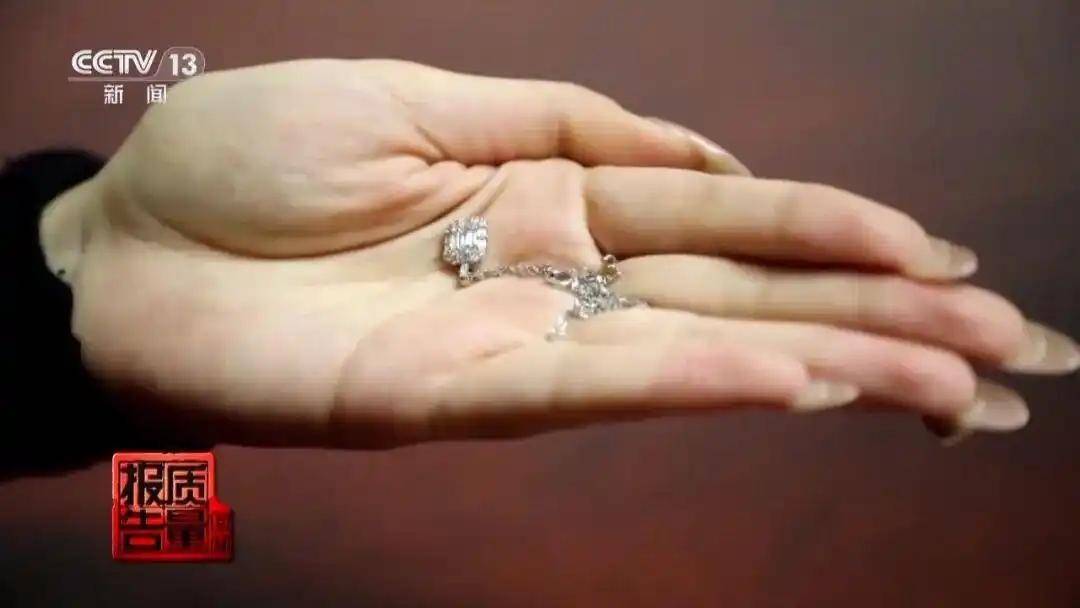
一级致癌物超标千倍!你买的“银耳环”可能与银无关
Yang Shi Xin Wen· 2025-11-24 12:57
Core Insights - The article highlights the health risks associated with alloy jewelry, particularly the presence of harmful heavy metals like nickel and cadmium, which can lead to allergic reactions such as "jewelry dermatitis" [1][5][6] - There is a significant discrepancy between the advertised quality of gold and silver plated jewelry and the actual thickness of the plating, with many products failing to meet industry standards [5][6] - The article calls for increased regulatory oversight and enforcement from authorities and e-commerce platforms to ensure product quality and protect public health [7] Group 1: Health Risks - Alloy jewelry can cause allergic reactions, with cases of "jewelry dermatitis" reported due to prolonged wear [1] - Heavy metals like nickel and cadmium are often the culprits behind these allergic reactions [1][6] Group 2: Quality Standards - A study found that 17 out of 21 jewelry samples tested did not meet the required thickness for gold and silver plating, with some samples having significantly lower thickness than the standards [5] - Many products falsely labeled as gold or silver plated were actually composed of common alloy elements like copper and zinc [5][6] Group 3: Consumer Awareness - Consumers are often misled by false labeling and misleading marketing claims regarding the quality of jewelry [6] - There is a need for consumers to be cautious about the potential risks of low-priced jewelry, particularly regarding material misrepresentation and heavy metal contamination [6] Group 4: Regulatory Recommendations - The article emphasizes the necessity for stricter supervision and penalties from regulatory bodies and e-commerce platforms to combat the sale of substandard jewelry [7]
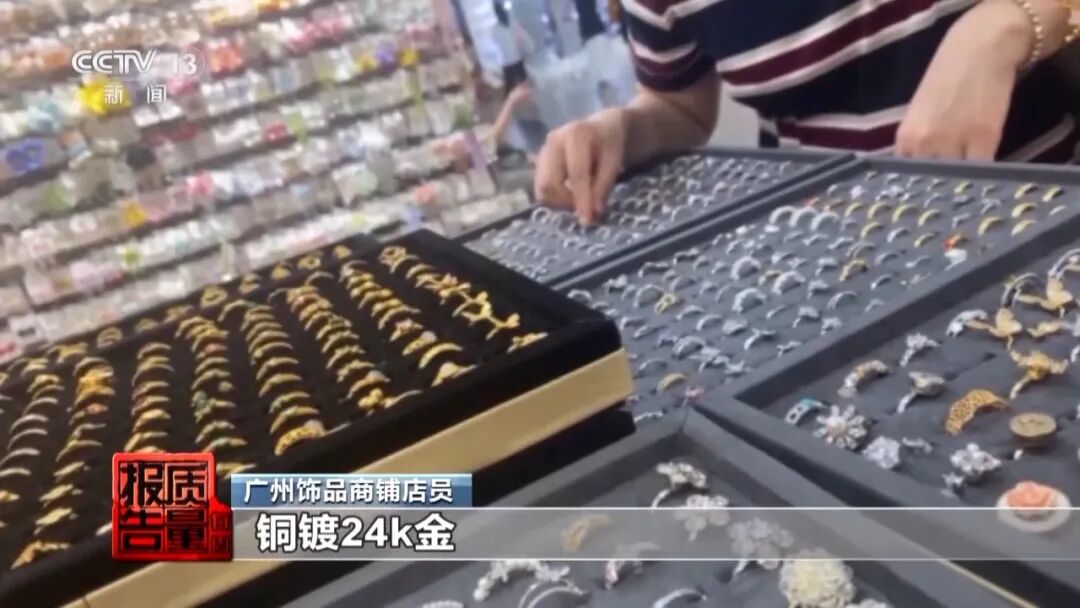
标着S925的饰品镉含量竟超标9000倍
Jing Ji Guan Cha Wang· 2025-11-24 01:48
Core Insights - Recent cases of "jewelry dermatitis" have been reported at Peking University People's Hospital due to wearing alloy jewelry [1] - Investigations reveal that many low-cost jewelry items on the market contain excessive levels of heavy metals like nickel and cadmium, leading to skin allergies [1] Industry Overview - In various wholesale jewelry markets, the wholesale price of earrings can be as low as 1 yuan, while bracelets cost only a few dozen yuan [1] - These low-cost alloy jewelry items are marketed on e-commerce platforms and live streaming sessions as "18K gold plated" and "colorfast when bathing" [1] Product Quality Concerns - Testing shows that out of 21 samples, 17 did not meet the required thickness for plating and are merely ordinary alloys [1] - One earring labeled as "S925 silver" was found to have no relation to silver, with cadmium content exceeding the safety limit by over 9000 times [1]
一级致癌物超标9000多倍!这些首饰戴久了有害健康
新华网财经· 2025-11-24 01:21
Core Viewpoint - The article highlights the health risks associated with wearing alloy jewelry, particularly the occurrence of "jewelry dermatitis" due to allergic reactions from metals like nickel and cadmium found in low-quality jewelry [1][3][5]. Material Quality and Standards - The occurrence of jewelry dermatitis is closely linked to the materials used in jewelry, with heavy metals such as nickel and cadmium being primary culprits [5][14]. - Many jewelry items marketed as gold or silver may actually contain undetectable heavy metal components, leading to skin issues for consumers [5][12]. - A market investigation revealed that many jewelry pieces are sold at low prices, with wholesale prices for bangles ranging from tens to hundreds of yuan, which raises concerns about material quality [5][12]. Testing and Findings - A study conducted on 21 jewelry samples showed that 17 items failed to meet the required thickness standards for gold and silver plating, with some items having gold layers as thin as 0.03 microns, far below the 0.5-micron standard [12][11]. - One sample labeled as "silver" had a silver layer of only 0.24 microns, significantly below the 2-micron requirement, indicating a lack of compliance with industry standards [12][9]. - Alarmingly, a sample from a Guangzhou market showed cadmium levels exceeding the legal limit by over 9000 times, posing serious health risks [14][17]. Consumer Misleading Practices - Some merchants falsely label their products with gold and silver markings, misleading consumers about the actual metal content [19][21]. - The presence of misleading purity marks like "999" and "S925" on alloy jewelry does not guarantee the quality or safety of the products, as many do not meet the claimed standards [19][22]. - Consumers are advised to be cautious about the potential health risks associated with low-cost jewelry, particularly regarding material mislabeling and heavy metal contamination [24].