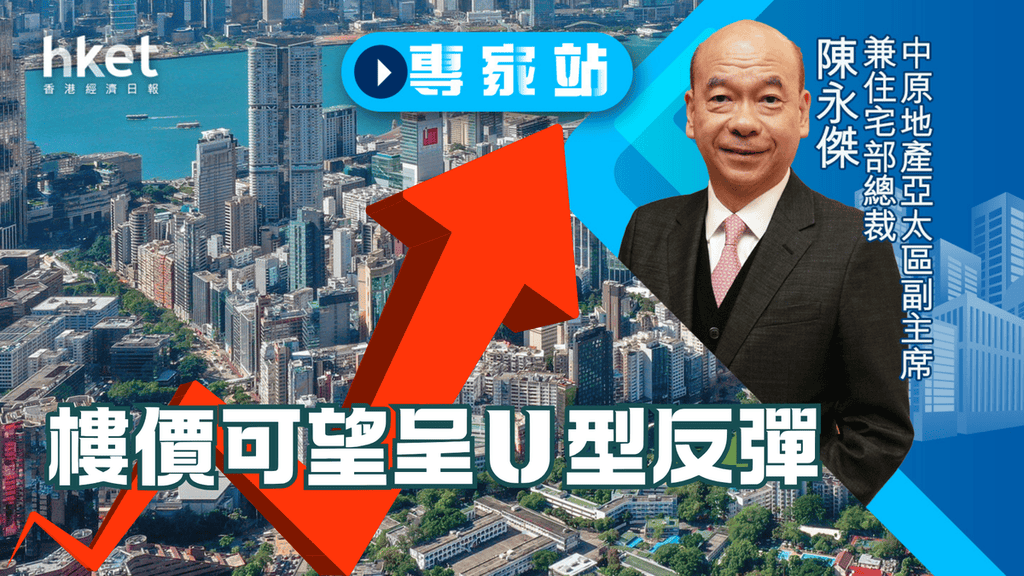
香港楼市U型反弹

Search documents
楼价连涨4个月!开盘即售罄!这是逆天改命了?
Sou Hu Cai Jing· 2025-11-20 15:05
Core Viewpoint - The Hong Kong real estate market has entered a rebound phase after a three-year decline, with prices rising for four consecutive months since May 2023, indicating a potential U-shaped recovery in the market [1][14][16]. Market Trends - The Hong Kong property market has experienced significant fluctuations over the past 40 years, characterized by distinct phases of rapid growth and sharp declines [3][6]. - The first phase (1984-1997) saw prices increase over ninefold, while the second phase (1997-2003) experienced a 69% drop due to the Asian financial crisis and other factors [6][13]. - The third phase (2004-2021) was marked by a 4.6 times increase in property prices, transitioning from a slow growth to a rapid increase [9][12]. - The fourth phase (2022-2025) has been a period of continuous decline, with prices dropping approximately 27% from the peak in December 2021 [13][14]. Recent Developments - Since June 2023, the market has shown signs of recovery, with a reported price increase of 2.1% by September and around 3% in October [14][16]. - The current rebound is notable as it is the only city in China experiencing a price increase amidst a broader national decline [16]. Economic Factors - Positive economic indicators include a 30% rise in the Hang Seng Index and a 209% year-on-year increase in IPO fundraising, suggesting a robust economic environment [20][23]. - Hong Kong's GDP grew by 3.8% year-on-year in the third quarter, marking 11 consecutive quarters of growth, which is crucial for the real estate market's recovery [23]. Supply and Demand Dynamics - The population in Hong Kong has stabilized around 7.5 million, with a significant portion of households still renting, indicating strong demand for housing [30][33]. - Recent policies aimed at attracting talent have led to an influx of new residents, further supporting housing demand [35]. - Despite a high potential supply of 112,000 units, inventory has been decreasing, with a notable drop to 102,000 units by September 2023 [41][42]. Rental Market Influence - Rising rental prices are contributing to the upward pressure on property prices, as many residents transition from renting to buying due to increased rental costs [46][49]. - The correlation between rental increases and property transactions suggests that as rents rise, more individuals may opt to purchase homes, thereby driving demand [49]. Future Outlook - The market is expected to stabilize with modest price increases, although significant growth may be limited due to ample inventory and ongoing supply adjustments by the government [55][56]. - The potential for price increases is evident in recent sales trends, where new developments are attracting buyers at competitive prices, leading to quick sales and subsequent price hikes [58][59].