马列主义

Search documents
张难先与大革命时期的梧州工人运动
Xin Lang Cai Jing· 2026-01-14 22:45
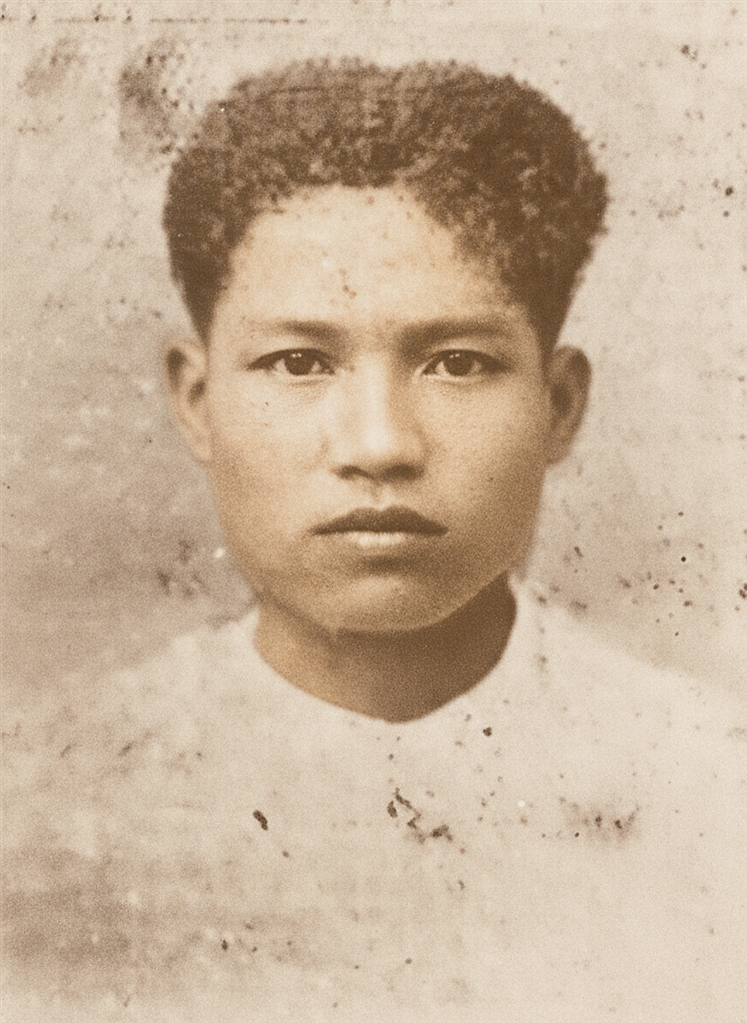
Core Viewpoint - Zhang Nanxian, a prominent figure in the Xinhai Revolution and a supporter of the Nationalist-Communist cooperation, played a significant role in the political and labor movements in Wuzhou, contributing to the establishment of a favorable political environment for revolutionary activities [4][6][11]. Group 1: Contributions to Political Movements - Zhang Nanxian actively supported the first Nationalist-Communist cooperation in Wuzhou, helping to create a social and political foundation for labor movements [6][7]. - He was instrumental in the establishment of the Wuzhou Special Party Branch of the Nationalist Party, which became the first city party branch in Guangxi after the reorganization of the Nationalist Party [6][7]. - Zhang Nanxian's leadership in the Wuzhou government allowed him to report on local political situations to the Nationalist Central Party, facilitating communication and coordination with the Communist Party [7][8]. Group 2: Support for Labor Movements - Zhang Nanxian supported the Wuzhou workers' movement, including the response to the "May 30th Movement" and the provincial and Hong Kong general strike, mobilizing local communities for demonstrations and support [8][9]. - He initiated the establishment of the Wuzhou Workers' Children's Education Institute, providing free education for workers' children, and supported the formation of various labor unions [9][10]. - Under his leadership, the Wuzhou Workers' Union Federation was established, which included multiple industry unions, significantly increasing membership and participation in labor activities [9][10].

著名抗日英烈黄金容:抗日救国洒热血
Hai Nan Ri Bao· 2025-09-08 01:29
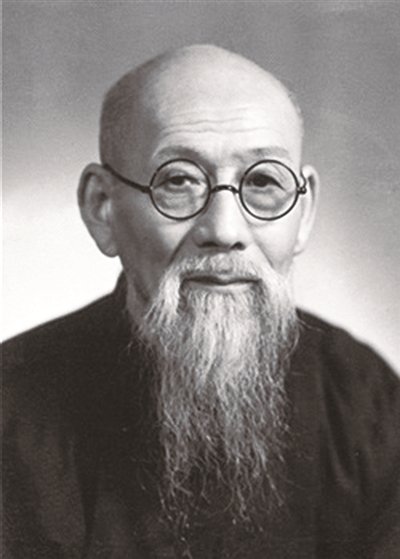
Core Viewpoint - The article highlights the revolutionary contributions and sacrifices of Huang Jinyong, a notable anti-Japanese martyr from Hainan, who played a significant role in the establishment of the Communist Party in the region and the resistance against Japanese invasion during the Second Sino-Japanese War [6][14]. Group 1: Historical Background - Huang Jinyong was born in 1902 in a coastal village in Hainan and became a revolutionary pioneer and founder of the local Communist organization in Danzhou [6][7]. - He was influenced by revolutionary thoughts during his education in Guangzhou and joined the Communist Party in 1923, actively promoting Marxism among the local populace [7][8]. Group 2: Revolutionary Activities - In 1926, Huang established the first rural party branch in Bochao Village and founded a farmers' association, significantly mobilizing local farmers for revolutionary activities [7][8]. - Following the 1927 Qiongya 422 Incident, he continued to lead underground resistance efforts against the Kuomintang, organizing military meetings and leading armed uprisings [8][9]. Group 3: Anti-Japanese Resistance - After the September 18 Incident, Huang actively engaged in the anti-Japanese movement, utilizing legal means to build revolutionary strength, including establishing a farm that served as a base for training and organizing party members [10][11]. - In 1938, he played a crucial role in the formation of a united front against Japanese aggression, mobilizing local resources and people to support the anti-Japanese cause [12][13]. Group 4: Leadership and Sacrifice - In 1940, Huang was appointed as the county party secretary and led efforts to unify various anti-Japanese guerrilla groups, emphasizing the importance of national and ethnic interests in the fight against Japanese forces [14][15]. - Huang Jinyong and his comrades were ambushed by Japanese troops during a mission, resulting in their heroic sacrifice, marking a significant moment in the local resistance history [15].