抗日救亡运动

Search documents
“生命上最光荣的一天”(以物鉴史)
Ren Min Ri Bao· 2025-12-12 22:00
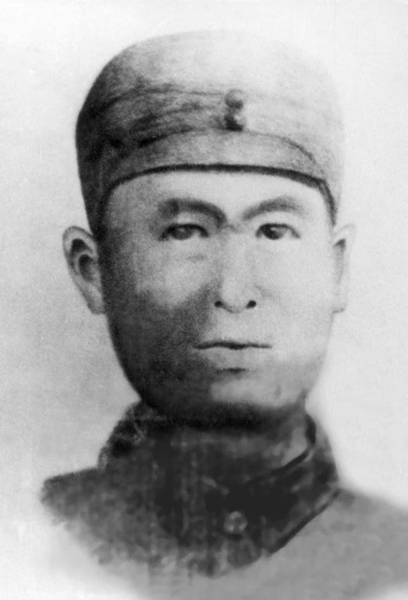
Core Points - The article highlights the historical significance of Xian Xinghai's application to join the Communist Party of China, reflecting his commitment to the party and the nation during the anti-Japanese war [2][3][4] - It details Xian Xinghai's contributions to Chinese music and his evolution from a patriot to a communist, emphasizing his role in creating influential anti-war songs and his collaboration on the monumental "Yellow River Cantata" [3][4] Group 1 - Xian Xinghai submitted his application to join the Communist Party on May 15, 1939, expressing his desire for political guidance and his commitment to contribute to the party's strength in the new China [2] - He was a pioneer of new Chinese music, known as the "People's Musician," and actively participated in the anti-Japanese movement by creating significant songs [3] - His application was influenced by his interactions with Zhao Yimin, who encouraged him to develop his talents and embrace communist ideals [3] Group 2 - Xian Xinghai officially joined the Communist Party on June 14, 1939, marking it as the most glorious day of his life and expressing his hope to change his worldview to fight for proletarian music [4]

“始终要为无产阶级利益奋斗”
Ren Min Ri Bao· 2025-10-28 22:30
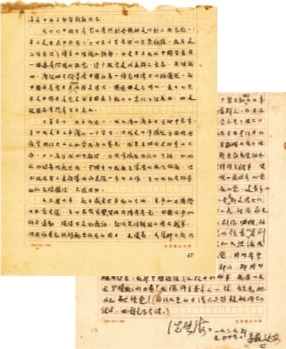
Core Points - The article commemorates the 120th anniversary of the birth of Luo Duxian, a prominent leader in the Chinese labor movement and a key figure in the Northeast anti-Japanese resistance [1][12] - Luo Duxian's life was marked by his unwavering commitment to the proletariat's interests and his active participation in various labor movements and revolutionary activities [1][12] Group 1: Early Life and Labor Movement Involvement - Luo Duxian was born in 1905 in Guangdong and began working at a shipyard at the age of 11, which instilled in him a strong class consciousness and fighting spirit [1][2] - He participated in the 1920 Hong Kong mechanical workers' strike, which was supported by workers in Guangzhou, leading to a victory that reinforced his belief in collective action [1][2] Group 2: Leadership in Labor Movements - After the establishment of the Communist Party, Luo Duxian played a significant role in the Hong Kong seamen's strike in 1922, which resulted in wage increases and heightened tensions with capitalists [2][3] - He was instrumental in the formation of the Hong Kong Metal Workers' Union and became one of its leaders, continuing to advocate for workers' rights [2][3] Group 3: Revolutionary Activities and Theoretical Contributions - Luo Duxian was a key figure in the 1925 anti-imperialist movements, leading the Hong Kong workers' participation in the province-wide strike and organizing protests against imperialist actions [3][4] - He contributed to the theoretical exploration of labor movements, emphasizing the need for unity among workers and advocating for armed struggle against oppressive regimes [6][7] Group 4: Anti-Japanese Resistance - In 1931, Luo Duxian was appointed to lead the Communist Party's efforts in Northeast China, where he organized resistance against Japanese aggression following the September 18 Incident [8][9] - He emphasized the importance of creating armed resistance groups and mobilizing the masses to fight against Japanese imperialism, leading to the establishment of various anti-Japanese guerrilla units [9][10] Group 5: Legacy and Recognition - Luo Duxian's dedication to the revolutionary cause and his sacrifices during imprisonment are highlighted as exemplary of the spirit of resistance and commitment to the proletariat [12][13] - His life and contributions are celebrated as a model for future generations, emphasizing the importance of faith in communism and dedication to the party's ideals [12][15]
抗战烽火中的“侨力量”:粤籍华侨万里同心抗敌寇
2 1 Shi Ji Jing Ji Bao Dao· 2025-09-18 10:54
Core Viewpoint - The article highlights the significant contributions of overseas Chinese, particularly from Guangdong, during the Anti-Japanese War, emphasizing their financial support, participation in military efforts, and international advocacy for China's cause [1][2][3]. Group 1: Contributions of Overseas Chinese - From 1937 to 1945, overseas Chinese donated approximately 2.4 billion national currency and remitted 9.5 billion national currency, along with donating 79 aircraft and over 650 vehicles to support the war effort [1]. - The "Nanyang Chinese Relief Fund" was established in 1938, uniting 800 million overseas Chinese in Southeast Asia to coordinate relief efforts, leading to the formation of over 1,000 local fundraising committees [2][3]. - By 1940, there were 649 large anti-Japanese organizations formed by overseas Chinese, which played a crucial role in supporting the war [3]. Group 2: Financial Support and Fundraising - The "Nanyang Chinese Relief Fund" initiated a monthly donation system, raising 400 million national currency from 1939 to 1941 [3]. - The "New York Chinese Anti-Japanese Fundraising Committee" raised over 330 million USD from 1937 to the end of the war, mobilizing Chinese communities in the Americas [4]. - In 1939, the national military expenditure was 1.8 billion national currency, while overseas Chinese remittances reached 1.1 billion national currency, showcasing their financial impact [4]. Group 3: Participation in Military Efforts - Over 40,000 overseas Chinese from Guangdong and Hainan returned to China to join the fight against Japanese forces, significantly bolstering local resistance efforts [5]. - The "Nanyang Chinese Mechanic Corps" was formed in 1939, with over 3,200 young Chinese returning to support the transportation of military supplies via the Burma Road, delivering 10,000 tons of military goods monthly [5][6]. Group 4: Advocacy and International Support - Overseas Chinese engaged in international advocacy by establishing over 150 anti-Japanese newspapers and organizing events to raise awareness about the atrocities committed by Japanese forces [6]. - Influential figures like Thai Chinese businessman Yi Guangyan used their platforms to garner support for China, highlighting the importance of media in shaping public opinion [6].
著名抗日英烈黄金容:抗日救国洒热血
Hai Nan Ri Bao· 2025-09-08 01:29
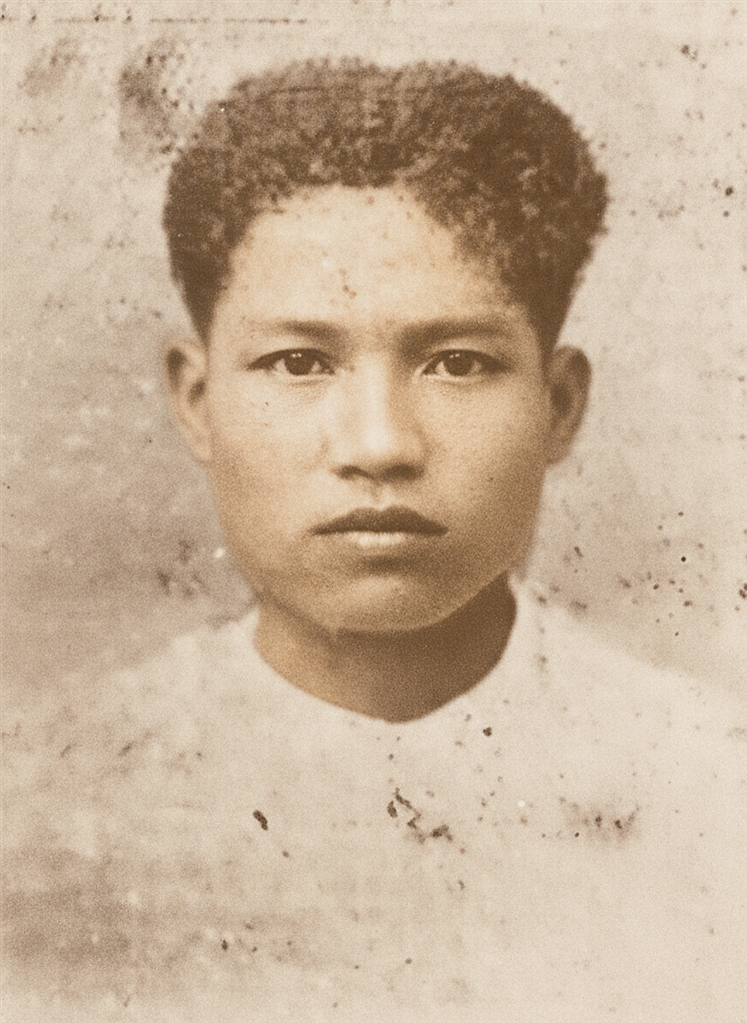
Core Viewpoint - The article highlights the revolutionary contributions and sacrifices of Huang Jinyong, a notable anti-Japanese martyr from Hainan, who played a significant role in the establishment of the Communist Party in the region and the resistance against Japanese invasion during the Second Sino-Japanese War [6][14]. Group 1: Historical Background - Huang Jinyong was born in 1902 in a coastal village in Hainan and became a revolutionary pioneer and founder of the local Communist organization in Danzhou [6][7]. - He was influenced by revolutionary thoughts during his education in Guangzhou and joined the Communist Party in 1923, actively promoting Marxism among the local populace [7][8]. Group 2: Revolutionary Activities - In 1926, Huang established the first rural party branch in Bochao Village and founded a farmers' association, significantly mobilizing local farmers for revolutionary activities [7][8]. - Following the 1927 Qiongya 422 Incident, he continued to lead underground resistance efforts against the Kuomintang, organizing military meetings and leading armed uprisings [8][9]. Group 3: Anti-Japanese Resistance - After the September 18 Incident, Huang actively engaged in the anti-Japanese movement, utilizing legal means to build revolutionary strength, including establishing a farm that served as a base for training and organizing party members [10][11]. - In 1938, he played a crucial role in the formation of a united front against Japanese aggression, mobilizing local resources and people to support the anti-Japanese cause [12][13]. Group 4: Leadership and Sacrifice - In 1940, Huang was appointed as the county party secretary and led efforts to unify various anti-Japanese guerrilla groups, emphasizing the importance of national and ethnic interests in the fight against Japanese forces [14][15]. - Huang Jinyong and his comrades were ambushed by Japanese troops during a mission, resulting in their heroic sacrifice, marking a significant moment in the local resistance history [15].
从一组泛黄纸片重温“七君子”宣言
Su Zhou Ri Bao· 2025-09-03 00:21
Core Viewpoint - The "Seven Gentlemen" incident highlights the struggle against Japanese imperialism and the call for national unity during a critical period in Chinese history, emphasizing that the fight for national salvation is a noble cause, not a crime [1][2][3][4] Group 1: Historical Context - In 1936, as Japan intensified its invasion of China, the Chinese Communist Party proposed a united front against Japanese aggression, leading to the formation of the "National Salvation Federation" in Shanghai [1] - The "Seven Gentlemen," leaders of the federation, were arrested by the Nationalist government on November 23, 1936, for their anti-Japanese activities [1][2] Group 2: Legal Proceedings - The Nationalist government charged the "Seven Gentlemen" with "endangering the Republic" on April 3, 1937, prompting a strong defense from both the accused and the federation [2] - During the trials, the authorities attempted to link the "Seven Gentlemen" to the Communist Party and foreign influences, but failed to secure any incriminating evidence [2] Group 3: Public Response - The arrest of the "Seven Gentlemen" sparked widespread outrage, leading to a declaration from the Communist Party that labeled their actions as honorable and called for their immediate release [3] - Prominent figures, including Song Qingling and He Xiangning, initiated the "Save the Nation from Imprisonment Movement," emphasizing collective responsibility for national salvation [3] Group 4: Outcome and Legacy - The "Seven Gentlemen" were released on July 31, 1937, due to the overwhelming public support and the national unity against Japanese aggression [4] - Artifacts from this period, such as the trial records and the declaration of the "Save the Nation from Imprisonment Movement," serve as powerful testimonies to the spirit of resistance and the belief that "saving the nation is not a crime" [4]
【图说抗战】80载回响,港澳同胞的抗战力量与家国守望
Zhong Guo Xin Wen Wang· 2025-08-21 08:44
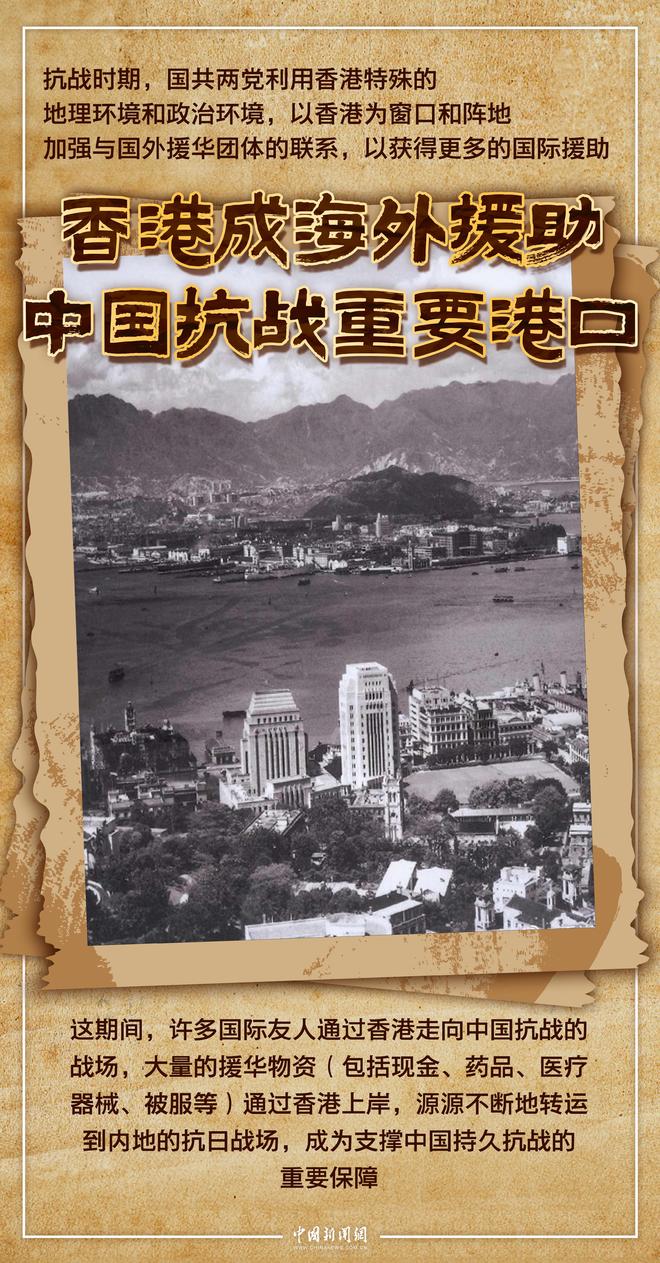
Core Viewpoint - The article highlights the significant contributions of Hong Kong and Macau to China's anti-Japanese war efforts during the 1930s and 1940s, emphasizing the roles of various organizations and individuals in supporting the national cause [1][11]. Group 1: Contributions from Hong Kong - Hong Kong served as a crucial logistics hub for anti-Japanese materials, facilitating the transport of cash, medical supplies, and other essential goods to the mainland [3]. - Various social organizations were established in Hong Kong to support the war effort, engaging in activities such as street speeches, fundraising events, and providing aid to refugees [5]. - The East River Column, a guerrilla force, was formed in Hong Kong to conduct armed resistance against Japanese forces, showcasing the local population's commitment to the anti-Japanese cause [6][8]. Group 2: Contributions from Macau - The Chinese Communist Party actively worked to establish and expand its organization in Macau, which became a central force in the local anti-Japanese movement [11][12]. - By October 1938, the number of Communist Party members in Macau had reached 50, organized into various branches, which strengthened the local resistance efforts [12].
铭记历史 缅怀先烈丨沈蔚:新闻战线“钢铁般的英雄”
Xin Hua Wang· 2025-08-14 13:07
Core Viewpoint - The article highlights the life and contributions of Shen Wei, a heroic figure in the Chinese anti-Japanese war, emphasizing his dedication to journalism and the revolutionary spirit he embodied [1][2][3]. Group 1: Historical Context - Shen Wei, originally named Zhu Hongshou, was born in Suzhou, Jiangsu Province, and became involved in revolutionary activities during his youth, particularly after the Marco Polo Bridge Incident [1]. - He graduated from the Chinese People's Anti-Japanese Military and Political University and joined the Communist Party of China, later becoming the deputy director of the Jizhong News Agency [1][2]. Group 2: Contributions and Legacy - Throughout his nearly four-year career as a journalist, Shen Wei produced a significant body of work, including news reports, literary pieces, and poetry that documented the struggles of the Jizhong people during the anti-Japanese war [2][3]. - His writings, such as "The Song of Revenge," inspired local military and civilian morale, reflecting the intense emotions and patriotism of the time [3]. Group 3: Personal Sacrifice - Shen Wei faced numerous dangers while reporting from enemy territory and ultimately sacrificed his life at the young age of 26 during a military retreat [3]. - His legacy continues to influence his family and community, with educational institutions and local authorities commemorating his contributions and promoting revolutionary traditions [5]. Group 4: Cultural Impact - The Jizhong News Exhibition Hall has become a significant site for preserving and promoting the memory of Shen Wei and the anti-Japanese war, attracting nearly 20,000 visitors since its opening in 2019 [5].
铭记历史 缅怀先烈丨李正华:放下教鞭扛钢枪 为国捐躯父子兵
Xin Hua Wang· 2025-08-12 00:40
Core Viewpoint - The article highlights the life and sacrifices of Li Zhenghua, an anti-Japanese hero, who transitioned from being an educator to a soldier during the war, emphasizing his dedication to the country and the legacy he left behind through his family [1][2][4]. Group 1: Life and Contributions of Li Zhenghua - Li Zhenghua, originally named Li Lianxiu, was born in 1905 in a wealthy family in Taian, and he was known for his strong sense of justice and willingness to fight against oppressive forces [2]. - In the 1930s, he founded a free school for impoverished students and opened a traditional Chinese medicine shop to help his community, rallying young people around revolutionary ideas [2]. - After the outbreak of the Second Sino-Japanese War in 1937, he abandoned his educational and medical endeavors to organize armed resistance against the Japanese invasion [2][4]. Group 2: Military Achievements and Sacrifice - Li Zhenghua demonstrated exceptional leadership and combat skills, participating in numerous battles that boosted the morale of local military and civilians [4]. - He was killed in action on April 22, 1941, while trying to escape an enemy encirclement, choosing to protect local villagers over his own safety [4]. - His legacy continued through his son, Li Ruiyun, who also joined the fight and died at the young age of 20, leading to the recognition of their family as "a family of double martyrs" [4]. Group 3: Commemoration and Legacy - In 2021, a memorial museum dedicated to the Shandong West District People's Anti-Japanese Self-Defense Corps was opened in his hometown, serving as a patriotic education base [5]. - The local community honors Li Zhenghua's spirit and contributions, with monuments and inscriptions that inspire current and future generations to remember their history and mission [5].