国共合作

Search documents
张难先与大革命时期的梧州工人运动
Xin Lang Cai Jing· 2026-01-14 22:45
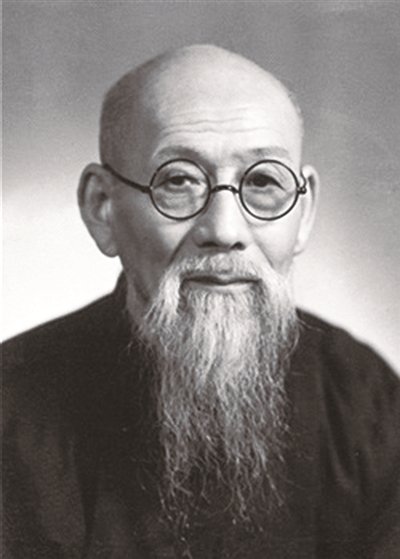
Core Viewpoint - Zhang Nanxian, a prominent figure in the Xinhai Revolution and a supporter of the Nationalist-Communist cooperation, played a significant role in the political and labor movements in Wuzhou, contributing to the establishment of a favorable political environment for revolutionary activities [4][6][11]. Group 1: Contributions to Political Movements - Zhang Nanxian actively supported the first Nationalist-Communist cooperation in Wuzhou, helping to create a social and political foundation for labor movements [6][7]. - He was instrumental in the establishment of the Wuzhou Special Party Branch of the Nationalist Party, which became the first city party branch in Guangxi after the reorganization of the Nationalist Party [6][7]. - Zhang Nanxian's leadership in the Wuzhou government allowed him to report on local political situations to the Nationalist Central Party, facilitating communication and coordination with the Communist Party [7][8]. Group 2: Support for Labor Movements - Zhang Nanxian supported the Wuzhou workers' movement, including the response to the "May 30th Movement" and the provincial and Hong Kong general strike, mobilizing local communities for demonstrations and support [8][9]. - He initiated the establishment of the Wuzhou Workers' Children's Education Institute, providing free education for workers' children, and supported the formation of various labor unions [9][10]. - Under his leadership, the Wuzhou Workers' Union Federation was established, which included multiple industry unions, significantly increasing membership and participation in labor activities [9][10].

抗战史上的今天:12月28日
Xin Lang Cai Jing· 2025-12-28 14:16
Group 1 - The article commemorates the 80th anniversary of the victory in the Chinese People's War of Resistance against Japanese Aggression and the World Anti-Fascist War, highlighting the historical significance of this period in Chinese memory [1] - The Nationalist Party's Central Committee held a meeting to address the urgent military situation as Japanese forces advanced, emphasizing the need for immediate action and support for the military [2][3] - The Nationalist government reorganized the provincial government of Suiyuan, appointing new officials to strengthen governance in response to the ongoing crisis [3] Group 2 - The Nationalist Party declared the necessity of convening a national crisis meeting to determine fundamental strategies for national salvation, while also addressing internal threats [3] - Reports indicated significant financial and material aid provided by the National Relief Committee to flood victims, showcasing the government's efforts in disaster relief [11] - The article mentions various military actions and political maneuvers during the war, including the establishment of new military commands and the coordination of efforts against Japanese aggression [15][18][19]
抗战史上的今天:10月21日
Guan Cha Zhe Wang· 2025-10-21 14:29
Group 1 - The article commemorates the 80th anniversary of the victory in the Chinese People's War of Resistance Against Japanese Aggression and the World Anti-Fascist War, highlighting significant historical events from that period [1] Group 2 - On October 21, 1931, Ma Zhanshan officially took office as the acting governor of Heilongjiang Province, emphasizing the need to eliminate any threats to territorial integrity and public order [2] - The Guangdong Provincial Government lifted the ban on the entry of newspapers from various regions, indicating a shift towards greater media freedom [3] - The Nationalist Party's Central Political Committee decided to increase the appointment of Zhu Zhaoxin as a member of the Special Diplomatic Committee, reflecting ongoing political maneuvers [5] - The opening of the Han-Chongqing section of the Shanghai-Chongqing air route marks a significant development in transportation and logistics [6] - The Chinese Soviet Republic issued the second phase of revolutionary war bonds worth 1.2 million yuan to counter enemy attacks, showcasing financial strategies during wartime [8] Group 3 - On October 21, 1932, the Anti-Japanese Army led by He Minhun captured Fuxin, demonstrating military actions against Japanese forces [7] - The Nationalist Government appointed Liu Bangjun as the deputy commander of the 23rd Army, indicating military restructuring [13] - The establishment of the Chinese Art Education Society in Shanghai aims to promote art education and cultural heritage [16] Group 4 - On October 21, 1935, the Central Red Army captured several locations, indicating progress in military campaigns during the Long March [15] - The establishment of the Chinese Shorthand Society in Shanghai aims to promote shorthand education and practices [17] Group 5 - On October 21, 1937, the Chinese military began a counter-offensive against Japanese forces, indicating a strategic shift in military operations [23][24] - The Japanese military reported significant aircraft losses, highlighting the ongoing aerial conflict [27] Group 6 - On October 21, 1938, the Nationalist Government ordered a retreat from Guangzhou as Japanese forces advanced, marking a critical moment in the war [30] - The establishment of the Chinese Engineers Society's annual meeting emphasizes the importance of engineering in wartime efforts [52]